

Caffeine gum is unusually well-researched thanks to U.S. military studies. In a landmark pharmacokinetic study, gum reached peak blood caffeine in about 44–80 minutes vs 84–120 minutes for capsules, with similar total exposure at 50, 100, and 200 mg doses (review, PMC). Military ration gum contains 100 mg per piece; commercial gums range from about 10 to 100 mg (OPSS).
On this page
Label comparison
| Gum | Caffeine per piece | Other actives | Source |
|---|---|---|---|
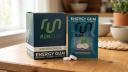 Run Gum | 50 mg 50 mg (2 pieces per pack) | Taurine, B6, B12 | |
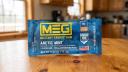 Military Energy Gum (MEG) | 100 mg | NSF Certified for Sport (per listing) |
Run Gum
Military Energy Gum (MEG)
Bars compare the labeled caffeine in this table, scaled to the highest amount here.
Product photos: AI composite from official product images. Product images: Run Gum, Military Energy Gum.
Picks (label-based)
- Best for dose control: Run Gum. 50 mg pieces let you take a half-dose. The brand says not to exceed eight pieces a day (Run Gum). Eight pieces is 400 mg, the FDA's full daily adult reference, so most people should take far fewer.
- Strongest: Military Energy Gum. 100 mg per piece, the same dose as U.S. military ration gum. Third-party certified per its listing (OPSS; listing).
Energy gum vs pouches vs coffee
Gum has the best absorption data of the "oral" formats. Caffeine pouches claim similar benefits but lack published pharmacokinetic studies. Coffee has the deepest long-term research. Compare Best Energy Pouches. The section overview is Energy Gum. Focus-ingredient pouches are a different product; the label check is Best Focus Pouches.
FAQ
How fast does caffeine gum work? Faster than capsules on average (peak at about 44–80 minutes vs 84–120 minutes in the Kamimori study). How much is too much? Count every piece toward the 400 mg/day adult reference (FDA).