Research at a Glance
Based on peer-reviewed research from Harvard, Stanford, Yale, and international sleep medicine journals. This is an editorial summary — not medical advice.
How Mouth Taping Works
The biomechanical chain reaction that improves your sleep
Medical-grade tape holds lips gently closed during sleep
Body defaults to breathing through the nose all night
The tape is meant to keep breathing through the nose
This page does not cite an oxygen-absorption percentage
More time in restorative deep sleep stages
In our 15-week mouth tape study (29 participants, 81 nightly logs), tape nights showed an 80% drop in dry mouth and 25% higher self-reported sleep quality. Read the full study results →
Introduction
Mouth taping has exploded in popularity, with claims that it improves sleep, reduces snoring, and boosts oral health. But does it actually work—and is it safe? Let's dig into the science and find out if taping your mouth shut at night is worth trying.
What Is Mouth Tape?
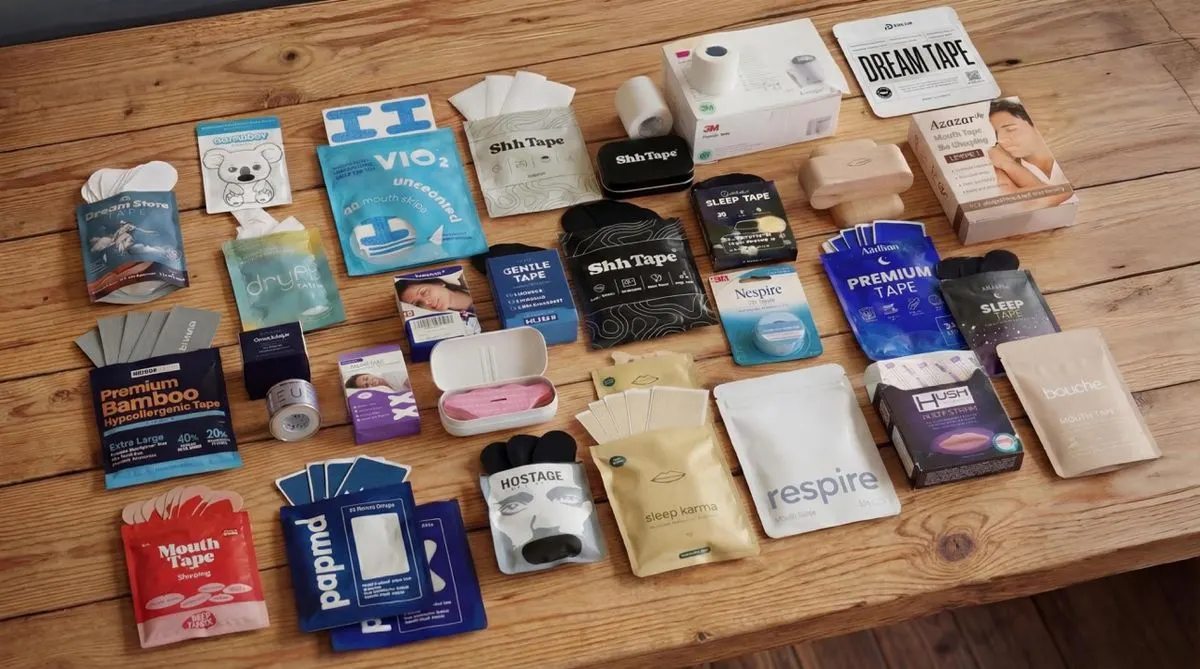
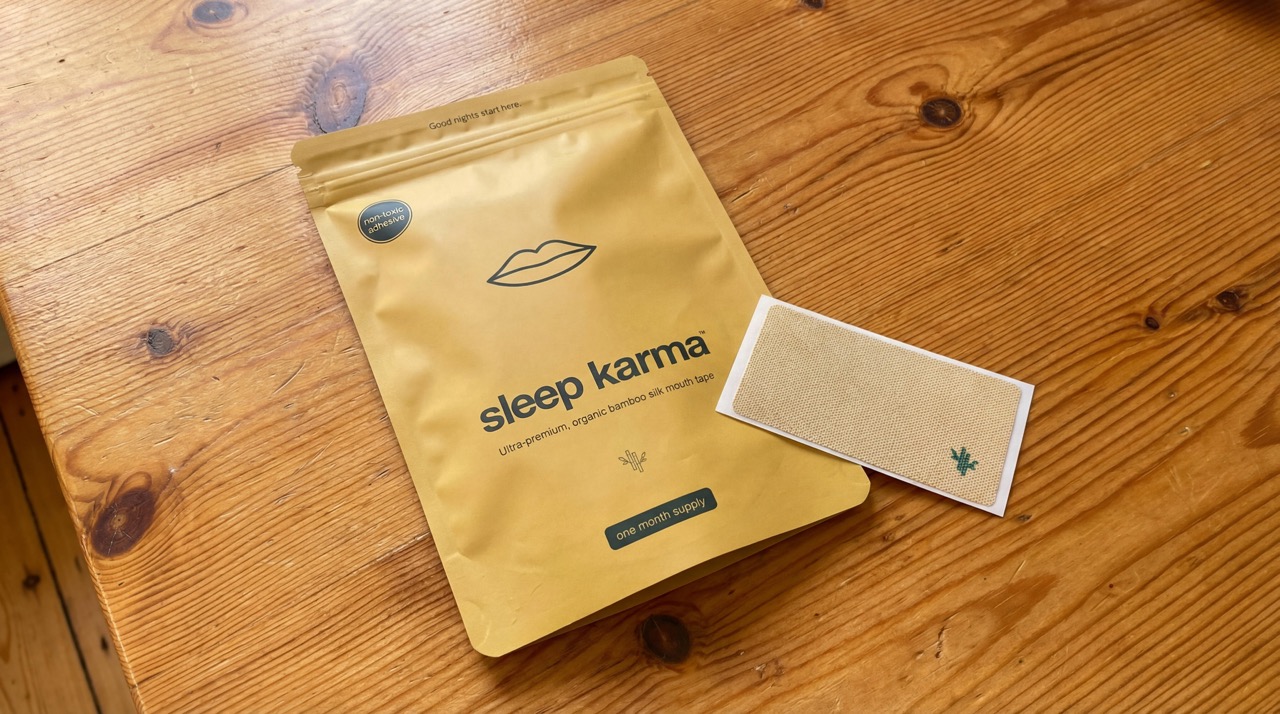
Mouth taping involves using a strip of skin-safe tape to keep your mouth closed while you sleep, encouraging nasal breathing. The mechanism involves porous, medical-grade adhesive placed over lips before bedtime. Proponents argue nasal breathing provides warming, humidifying, and filtering benefits compared to mouth breathing, which can cause dry mouth, bad breath, and facial development issues.
Does Mouth Taping Actually Work?
Mouth taping shows genuine promise for certain sleep-related benefits, especially reducing snoring and mild obstructive sleep apnea (OSA), but evidence from large-scale clinical trials is still limited. Here's what the peer-reviewed research actually shows.
Claim 1: Improves Sleep Quality — Supported by Research
Small studies show reduced daytime sleepiness and fewer arousals — approximately a 60% drop in overnight arousal index. However, no large trials have directly measured overall sleep quality improvement from mouth taping.
A 2015 study by Huang & Young published in Otolaryngology–Head and Neck Surgery found that 30 patients using porous mouth patches reported improved snoring intensity, frequency, and subjective sleepiness scores.
Claim 2: Reduces Snoring — Strongly Supported
Multiple studies confirm significant snoring reduction from mouth taping. A 2022 study found median snoring index dropped approximately 47%. A pilot study with 30 snorers showed snoring intensity and frequency greatly decreased. Bed-partner reports confirm less snoring.
Lee et al. (2022) in Healthcare found that 20 patients with mild OSA experienced lower apnea-hypopnea and snoring index scores when using mouth tape.
Claim 3: Mild Sleep Apnea — Small Studies Only, Not a Treatment
The apnea studies are small (about 20 people with mild OSA in the study above), so they do not show that mouth tape treats sleep apnea. Mouth tape is not a treatment and should not replace CPAP or other prescribed therapy. If you have or suspect sleep apnea, talk to a doctor.
Labarca et al. (2022) in Annals of the American Thoracic Society showed that adding adhesive mouth tape to mandibular advancement devices significantly improved apnea outcomes versus the oral device alone.
Claim 4: Improves Nasal Breathing & Oxygenation — Supported
Mouth taping enhances nose airflow and blood oxygen metrics. In a mild OSA study, minimum O2 saturation improved from approximately 82% to 87%, with fewer oxygen dips observed. Another trial found reduced CO2 buildup and increased REM sleep.
Claim 5: Enhances Oral Posture & Jaw Alignment — Largely Unproven
Mouth taping encourages tongue-against-palate positioning and closed jaw posture. While chronic mouth breathing is known to affect jaw development in children, no direct studies prove mouth taping fixes jaw alignment or tooth positioning in adults. Theoretically plausible but unproven.
Claim 6: Prevents Dry Mouth and Throat — Highly Plausible but Untested
Mouth breathing at night causes oral dryness, while nasal breathing humidifies air and likely prevents dryness. Research by Svensson et al. (2006) showed increased water loss through oral vs. nasal expiration. However, no clinical studies have specifically measured dry mouth reduction from mouth taping.
Claim 7: Improves Oral Health — Highly Plausible but Unstudied
Chronic mouth breathing reduces saliva flow and lowers oral pH, creating conditions for tooth decay and gum disease. In theory, keeping the mouth closed maintains saliva and protects teeth. But no studies have proven fewer cavities or better gum health from mouth taping.
Claim 8: Reduces Morning Fatigue — Some Limited Evidence
Many users report feeling more refreshed after mouth taping. A pilot study on mild OSA patients showed Epworth Sleepiness Scale scores improved from 8.1 to 5.2. However, this was a short-term, small-sample result with no robust trials in healthy people.
Claim 9: Supports Long-term Wellness — Largely Unproven
No direct clinical evidence exists for broader health improvements like lower blood pressure or improved cardiovascular health from mouth taping. While improved sleep apnea could theoretically benefit heart health, long-term effects have not been studied.
Criticisms & Potential Risks
"No Evidence; It's Just a Fad" — Not Supported
While research is still limited, multiple peer-reviewed studies show real, measurable effects. The trend surged on social media without initial robust backing, but recent publications demonstrate positive results. More research is certainly needed, but dismissing mouth taping entirely is not supported by the available evidence.
"You Could Suffocate" — Generally Untrue If Used Correctly
Studies report good tolerance with no oxygen drops or serious breathing troubles in healthy adults who can breathe through their nose. However, do not use mouth tape if you are severely congested, intoxicated, or sedated. Always ensure nasal passages are clear before use.
"You Can Still Mouth-Breathe Around the Tape" — Sometimes True
A phenomenon called "mouth puffing" can occur where a taped sleeper involuntarily tries mouth exhalation, pushing air against the tape. This is more common in heavier sleep apnea cases. It's not typically harmful but may loosen the tape. Strong mouth-breathers might find tape only partially effective.
"Not Medically Approved — Could Delay Proper Care" — Valid for Serious Conditions
No official medical guidelines endorse mouth taping as a disease treatment. Sleep specialists worry about patients substituting tape for proper treatment of moderate/severe OSA, where untreated apnea carries risks including high blood pressure and daytime accidents. See a doctor for proper diagnosis first. Mouth taping may supplement proven therapies but is not a substitute for clinical treatment.
"Causes Discomfort or Skin Irritation" — True in Some Cases
A study of asthma patients found approximately 28% found taping not easily tolerable. Common complaints include skin irritation around lips, pulling on facial hair, and initial anxiety falling asleep. Using hypoallergenic tape and lip balm can reduce irritation. Most users adapt after a few nights, but sensitive individuals might need to abandon the practice.
Common Side Effects
Skin Irritation or Chafing
The most common side effect. Adhesive can cause redness, chapped lips, and slight peeling. Facial hair complications can occur when removing tape. Solutions include using gentle medical-grade tapes and applying pre-taping moisturizer or lip balm.
Nasal Breathing Difficulty
Problematic if you have nasal congestion, allergies, a cold, deviated septum, or chronic sinusitis. You will feel uncomfortable and may experience night wakings. Always ensure nasal breathing capacity before sleeping with tape, and avoid use on severely congested nights.
Anxiety or Panic
A psychological reaction to mouth restriction that can make falling asleep harder or cause middle-of-night awakenings. Not suitable for anxiety-prone or claustrophobic individuals. Recommended approach: test during a short nap before attempting all-night use.
Disturbed Sleep or "Mouth Puffing"
Some users experience involuntary air pushing against the tape, creating a flutter noise or cheek pressure. Others wake up and remove tape unintentionally during their first few attempts. Takes a few nights to adapt. If sleep is consistently worse after a week of use, the method may not be suitable.
Cost-Effectiveness
Specialized mouth tape strips cost approximately $20-$30 for 28 pre-cut strips, roughly $1 or less per night. This is extremely affordable compared to alternatives like custom dental night guards (hundreds of dollars) or CPAP machines ($1,000+). Even if effectiveness is modest, the financial risk of trying mouth tape is minimal.
However, cost-effectiveness depends on the tape actually working for you. A cheap solution provides no value if it's ineffective. And if you have moderate to severe sleep apnea, saving money by avoiding doctor-recommended treatments is a poor trade-off.
The Bottom Line
The scientific evidence supports mouth taping as a beneficial sleep tool, particularly for reducing snoring, improving mild sleep apnea, and enhancing nasal breathing. Claims about improved oral health and long-term wellness benefits are plausible but not yet proven. For healthy adults who can breathe through their nose, mouth taping is generally safe — but the quality and safety of the tape you choose matters enormously. Always consult a doctor if you have sleep apnea or other respiratory conditions.
Disclosures
Evident Health LLC owns both this site and Sleep Karma, a mouth tape brand reviewed here. Sleep Karma is scored using the exact same five-criteria methodology applied to every other brand, with no exceptions. No brand can pay for a score. Sales of Sleep Karma support Evident’s testing and research. Our full scoring methodology is published at getevident.co/methodology and our complete financial disclosures are at getevident.co/disclaimers. Always consult a physician for guidance on medical concerns.
Frequently Asked Questions
Small peer-reviewed studies suggest mouth taping may reduce snoring in people who breathe through their mouth at night. Evidence from large clinical trials is still limited, results vary, and mouth tape is not a treatment for sleep apnea.
Yes. Multiple peer-reviewed studies confirm significant snoring reduction. A 2022 study found median snoring index dropped approximately 47%, and a pilot study with 30 snorers showed snoring intensity and frequency greatly decreased. This is one of the most well-supported claims about mouth taping.
For healthy adults who can breathe through their nose, mouth taping is generally safe. Studies report good tolerance with no oxygen drops. However, do not use mouth tape if you are severely congested, intoxicated, or have untreated moderate/severe sleep apnea. Always ensure your nasal passages are clear.
Research on mouth tape and sleep apnea is limited to small studies, and mouth tape is not a treatment for sleep apnea. It is not a replacement for CPAP or other prescribed therapy. Always consult a sleep specialist for proper diagnosis and treatment.