Our review methodology
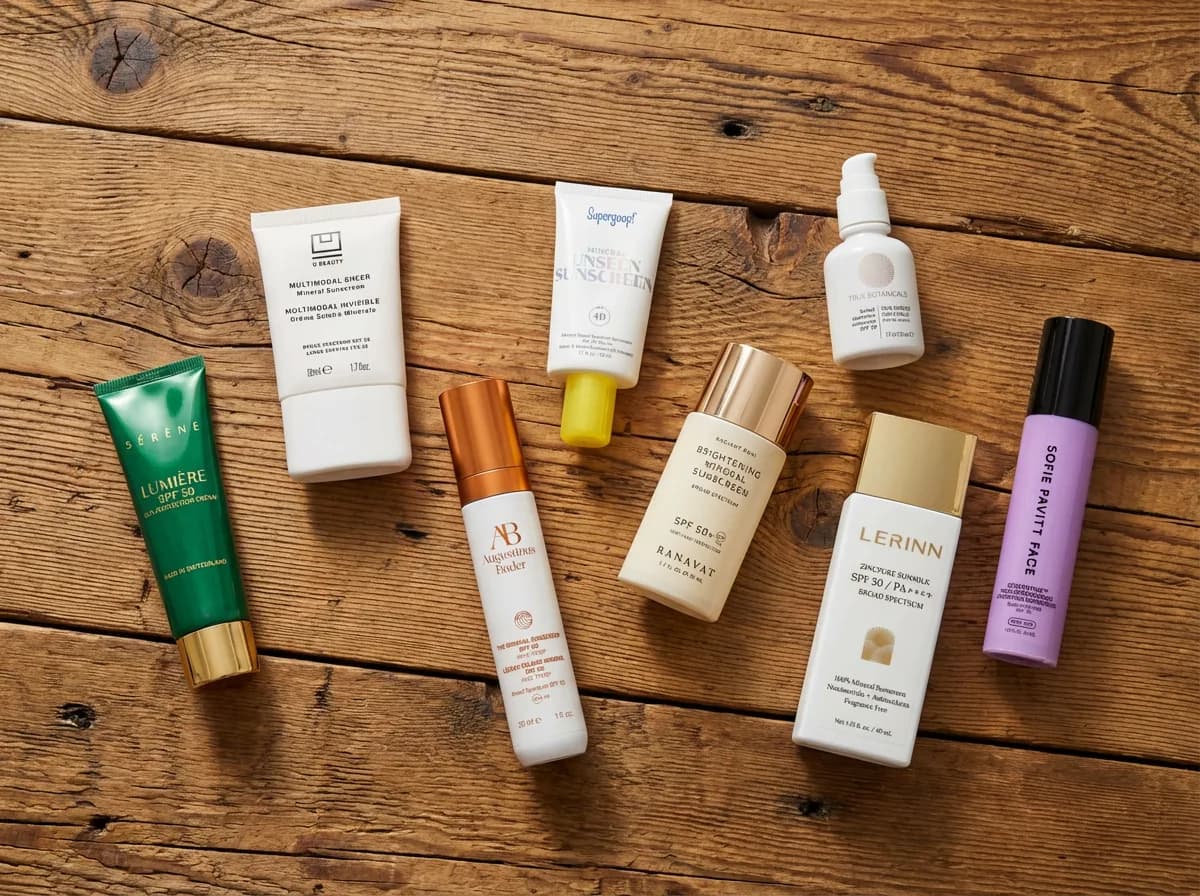
This page evaluated 10 mineral sunscreens on SPF protection, white cast (tested on four skin tones from fair to deep), texture and wearability under makeup, water resistance, and ingredient safety. Those category checks sit on top of Evident Reviews' published five-criteria scoring framework — the same weights used across the site.
Material Safety
25%What is actually in the product — ingredients, published testing, contaminants, and label accuracy. Weighted heaviest because these products go on or in your body.
Trust & Reputation
20%Lab results, review patterns, BBB record, and regulatory history. We score what a brand can prove, not what it claims.
Value & Policy
15%Cost per use vs. quality, return terms, and subscription practices. Premium pricing is not penalized when the formulation and testing justify it.
Features
15%Category-specific features: dose form, device specs, or mouth-tape fit, vents, and origin. Same weight everywhere.
Firsthand Testing
25%Hands-on notes when we have them. A missing firsthand score is shown as not tested.
Read the full methodology — scoring weights, testing steps, and how we handle products from brands we own.
The winner: EltaMD UV Clear Broad-Spectrum SPF 46
EltaMD UV Clear Broad-Spectrum SPF 46
EltaMD UV Clear combines 9% zinc oxide with 7.5% octinoxate in a lightweight, non-greasy formula that includes 5% niacinamide. White cast is minimal even on medium skin tones. While not 100% mineral — octinoxate is a chemical filter — zinc oxide provides the primary UVA protection, and the niacinamide helps control oil and calm inflammation.
How the mineral picks differ
Drawn from the existing Best Mineral Sunscreens article — no new scores.
EltaMD is a hybrid, not 100% mineral. Blue Lizard is the pure-mineral pick in this article. Tinted mineral is the article's guidance for darker skin — not a single scored SKU.
The top picks, ranked
EltaMD UV Clear Broad-Spectrum SPF 46
EltaMD UV Clear has earned its following for a reason: 9% zinc oxide plus 7.5% octinoxate in a lightweight formula with 5% niacinamide. It is technically a hybrid, not a 100% mineral sunscreen — octinoxate is a chemical filter — but zinc oxide does the primary UVA work.
Niacinamide helps control oil and calm inflammation, which is why this is the top choice in this article for acne-prone and sensitive skin. White cast is minimal even on medium skin tones. Dermatologist-recommended more than any other sunscreen we researched.
- →Hybrid filter (zinc + octinoxate), not 100% mineral
- →5% niacinamide for oil control
- →Minimal white cast on fair-to-medium skin
Blue Lizard Sensitive Mineral SPF 50+
For zero chemical filters, Blue Lizard Sensitive uses only zinc oxide (15%) and titanium dioxide (5%). It delivers genuine SPF 50+ protection with excellent UVA coverage. The smart bottle changes color in UV light as a reminder to reapply.
The tradeoff is a more noticeable white cast, particularly on darker skin tones. For readers who prioritize ingredient safety and broad-spectrum protection above cosmetic elegance, it is the best pure mineral option we tested.
- →100% mineral — 15% zinc oxide + 5% titanium dioxide
- →SPF 50+ with a UV-reactive bottle
- →More white cast than EltaMD, especially on deeper skin
Tinted mineral (iron oxides) — or a sheer hybrid
White cast is the primary barrier to daily sunscreen for darker skin tones. This article's mineral-specific guidance: look for tinted mineral sunscreens. Iron oxides added for color also protect against visible light, which drives hyperpigmentation in melanin-rich skin.
The article also notes Supergoop Unseen Sunscreen SPF 40 as a completely invisible option — it is a chemical sunscreen, not mineral, so it is listed here as the sheer alternative, not as a mineral pick.
- →Tinted mineral: iron oxides + less white cast
- →Visible-light protection matters for hyperpigmentation
- →Supergoop Unseen is chemical — invisible, not mineral
Why mineral sunscreen
Mineral (physical) sunscreens use zinc oxide and/or titanium dioxide to reflect and scatter UV radiation. Unlike chemical filters that absorb UV and convert it to heat, mineral filters sit on top of the skin and provide immediate protection upon application — no 15-minute wait required.
Mineral sunscreens are generally recommended for sensitive skin, rosacea, and conditions aggravated by heat, since they don't generate thermal energy the way chemical filters do. They're also the only sunscreen filters recognized as GRASE (Generally Recognized as Safe and Effective) by the FDA's most recent proposed rule.
How we tested
We evaluated 10 mineral sunscreens across five criteria: SPF protection level, white cast severity (tested on 4 different skin tones from fair to deep), texture and wearability under makeup, water resistance, and ingredient safety profile. All products tested contained zinc oxide, titanium dioxide, or both.
Best overall: EltaMD UV Clear Broad-Spectrum SPF 46
EltaMD UV Clear has earned its cult following for good reason. It combines 9% zinc oxide with 7.5% octinoxate (a chemical filter) in a lightweight, non-greasy formula that includes 5% niacinamide for additional skin benefits. While technically not 100% mineral, the zinc oxide provides the primary UVA protection.
The niacinamide helps control oil production and calm inflammation, making this the top choice for acne-prone and sensitive skin. White cast is minimal even on medium skin tones. Dermatologist-recommended more than any other sunscreen we researched.
Best pure mineral: Blue Lizard Sensitive Mineral SPF 50+
For those who want zero chemical filters, Blue Lizard Sensitive uses only zinc oxide (15%) and titanium dioxide (5%). It delivers genuine SPF 50+ protection with excellent UVA coverage. The smart bottle technology changes color in UV light as a reminder to reapply.
The tradeoff is a more noticeable white cast, particularly on darker skin tones. But for those prioritizing ingredient safety and broad-spectrum protection above cosmetic elegance, it's the best pure mineral option we tested.
Best for dark skin tones: Supergoop Unseen Sunscreen SPF 40
While technically a chemical sunscreen, Supergoop Unseen deserves mention because white cast is the primary barrier to sunscreen use for darker skin tones. It's completely invisible on all skin tones, has a primer-like texture, and provides reliable SPF 40 protection.
For a mineral option with minimal white cast on dark skin, look for tinted mineral sunscreens — iron oxides added for color also provide additional protection against visible light, which causes hyperpigmentation in melanin-rich skin.
Mineral vs chemical: what the evidence says
Both mineral and chemical sunscreens effectively prevent sunburn and reduce skin cancer risk when used correctly. The key differences are in the safety data:
- Zinc oxide and titanium dioxide are the only two filters the FDA considers GRASE based on current evidence
- Chemical filters like oxybenzone, avobenzone, and homosalate have been detected in blood at levels exceeding FDA thresholds after a single application
- Systemic absorption doesn't necessarily mean harm — the FDA has requested additional safety studies but hasn't concluded these filters are unsafe
- For pregnant or breastfeeding women, mineral sunscreens are generally recommended due to the lack of systemic absorption
Application tips for mineral sunscreens
- Use at least 1/4 teaspoon for face alone (two finger-lengths)
- Apply as the last step of skincare, before makeup
- No wait time needed — mineral filters work immediately
- Reapply every 2 hours during sun exposure, or immediately after swimming/sweating
- Let the sunscreen set for 5 minutes before applying makeup on top
The bottom line
The best sunscreen is the one you'll actually wear every day. EltaMD UV Clear offers the best balance of protection and wearability for most people. Blue Lizard Sensitive is the purist's choice for 100% mineral protection. And regardless of which you choose, the most important factor is applying enough and reapplying regularly.