
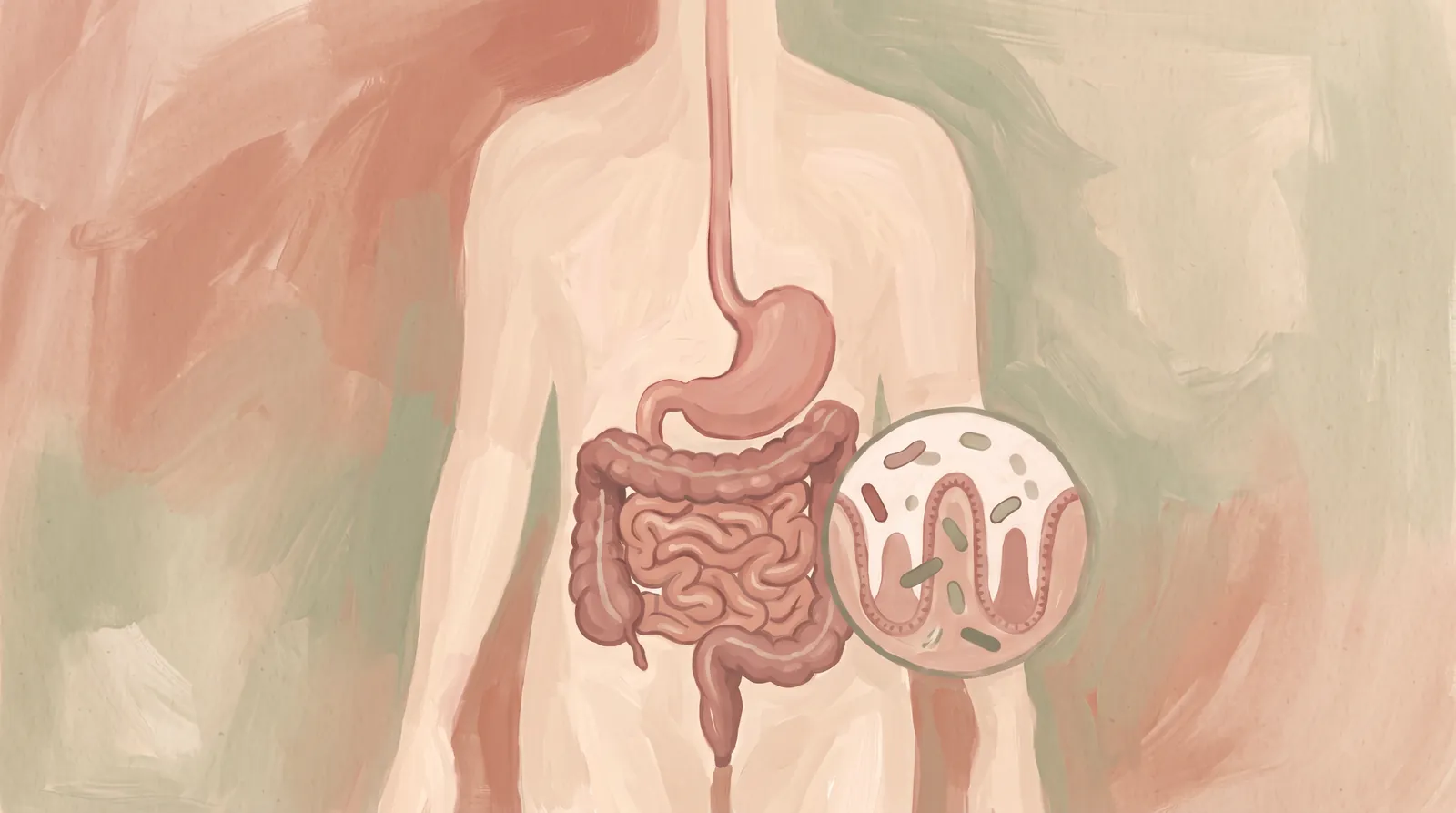
Gut Health
Probiotic reviews and guides, plus what the research says about colostrum and greens powders.
We buy every product ourselves. Hands-on multi-tester trials; lab checks when we commission them. Our methodology
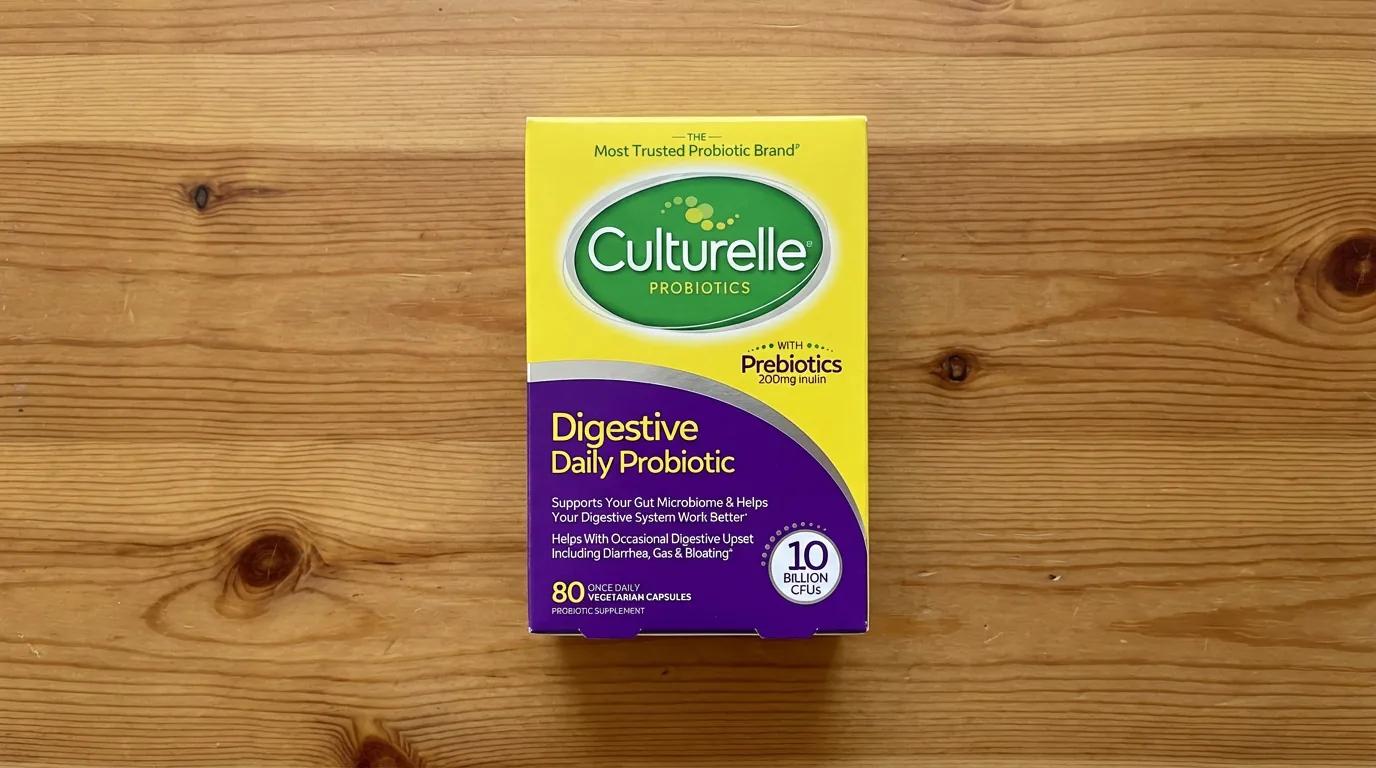
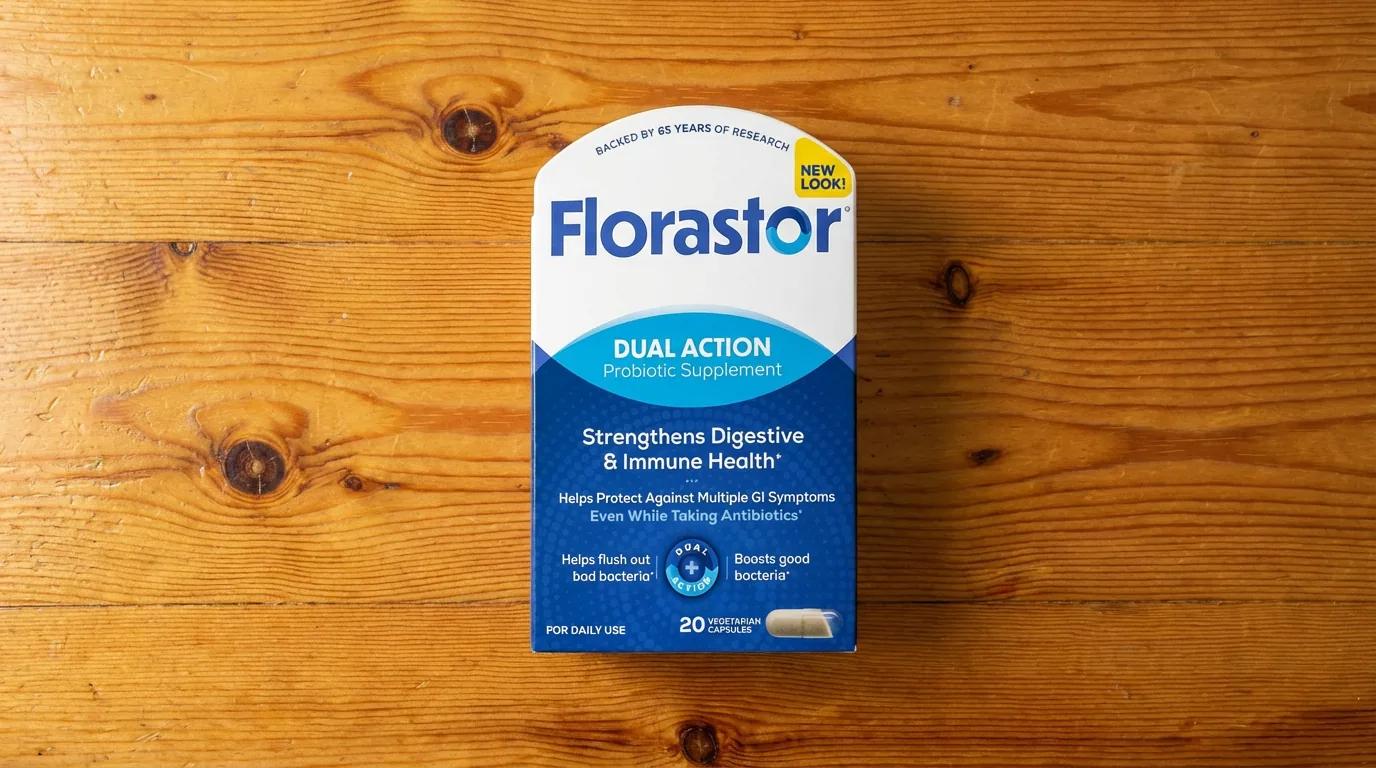
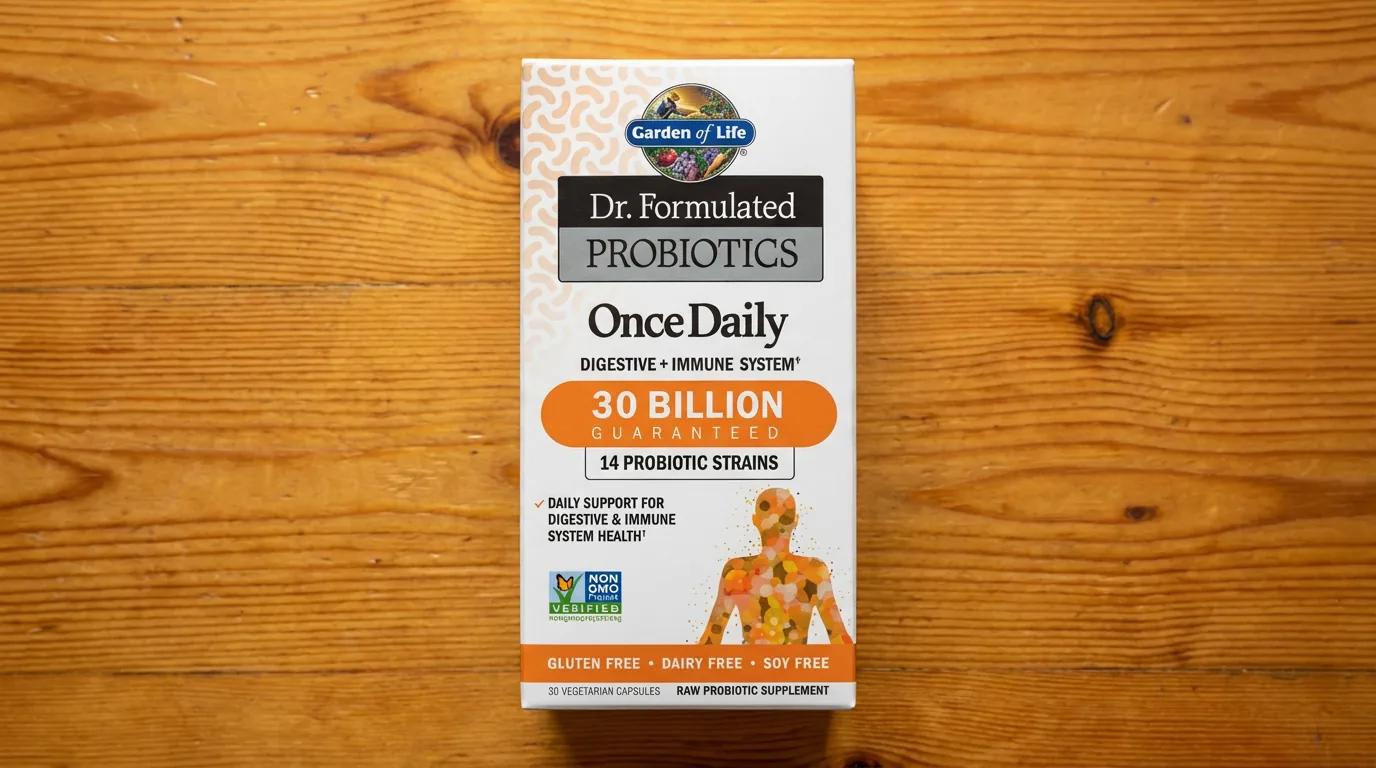
How strong is the evidence?
| Supplement | Strongest supported use | What the research shows | Evidence strength | Where it's weak |
|---|---|---|---|---|
| Probiotics | Specific strains for specific uses, such as preventing antibiotic-associated diarrhea | Across 21 RCTs (4,780 people), S. boulardii cut antibiotic-associated diarrhea from 18.7% to 8.5% (RR 0.47) (Szajewska 2015). The AGA's 2020 guidelines recommend probiotics only in a few narrow situations (Su et al. 2020). | Moderate, strain- and use-specific | General gut health in healthy adults. Results don't carry over from one strain to another. |
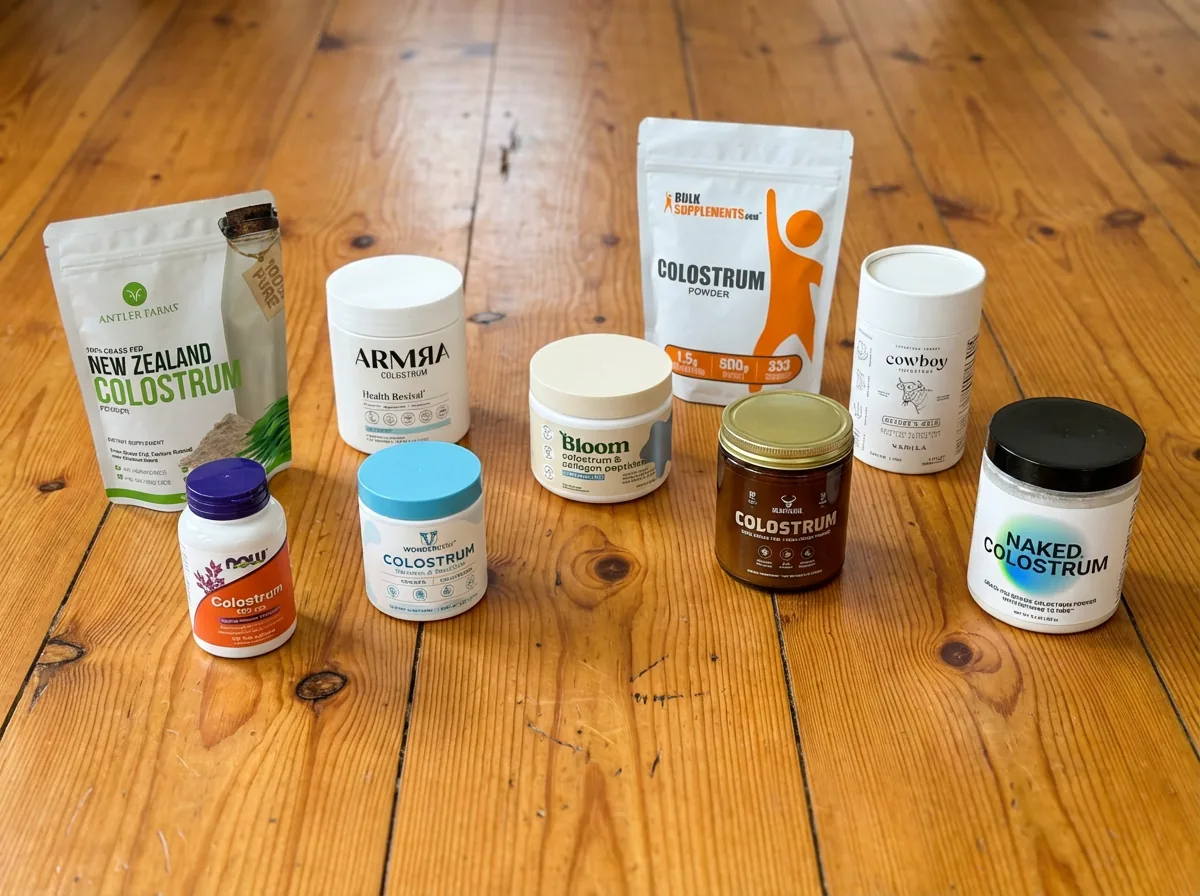
| Colostrum | Gut permeability under stress | 12 people in a 14-day crossover trial: hard exercise raised permeability 2.5-fold on placebo, and colostrum cut that rise by 80% (Marchbank 2011). 7 volunteers: colostrum prevented the 3-fold rise caused by an NSAID (Playford 2001). | Early / limited | Tiny trials that measure a lab marker, not symptoms. No large RCTs. |
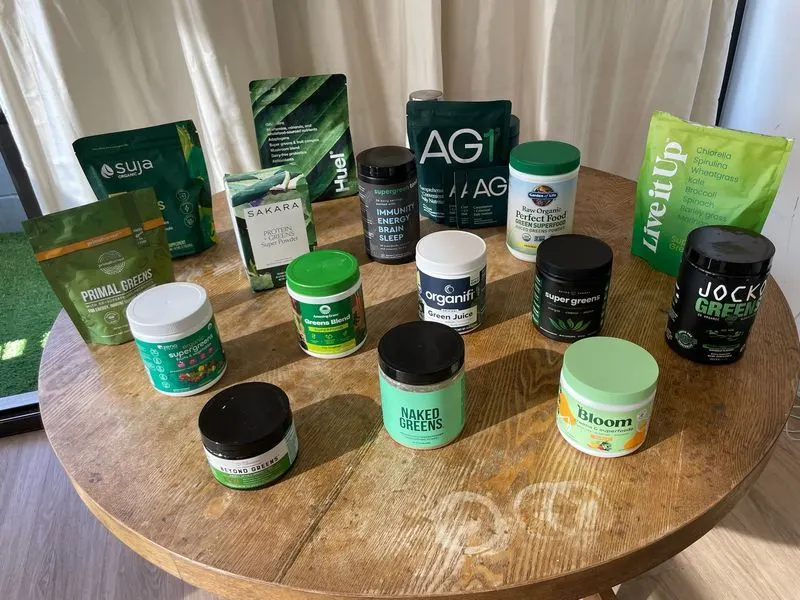
| Greens powders | Adding fruit and vegetable compounds to the diet | None of our guides cite a trial with a gut-specific outcome. The probiotic content, when there is any, varies by brand. | Weak | No gut-outcome trials. They don't replace whole vegetables. |
Evidence strength reflects the studies cited on our guides: Moderate = multiple RCTs or a meta-analysis for a specific use; Early = small human trials; Weak = no direct human trials for the gut outcome.
Quick Summary
Pick the product for a specific use. The three supplements on this page are not interchangeable.
If gut symptoms persist, see a clinician before trying supplements. These guides cover published trials. They are not a diagnosis.
Gut health questions
None fits everyone. The strongest data is for specific probiotic strains used for a specific purpose. One example is S. boulardii during antibiotics, where antibiotic-associated diarrhea fell from 18.7% to 8.5% across 21 trials.
No. Two small human trials, with 12 and 7 participants, found that colostrum limited short-term rises in a gut-permeability marker after exercise or an NSAID. Those trials didn't measure symptoms.
None of the trials we cite tests a gut outcome. Their fiber content is usually small compared with whole vegetables.
Related reading
Most read in Gut health