
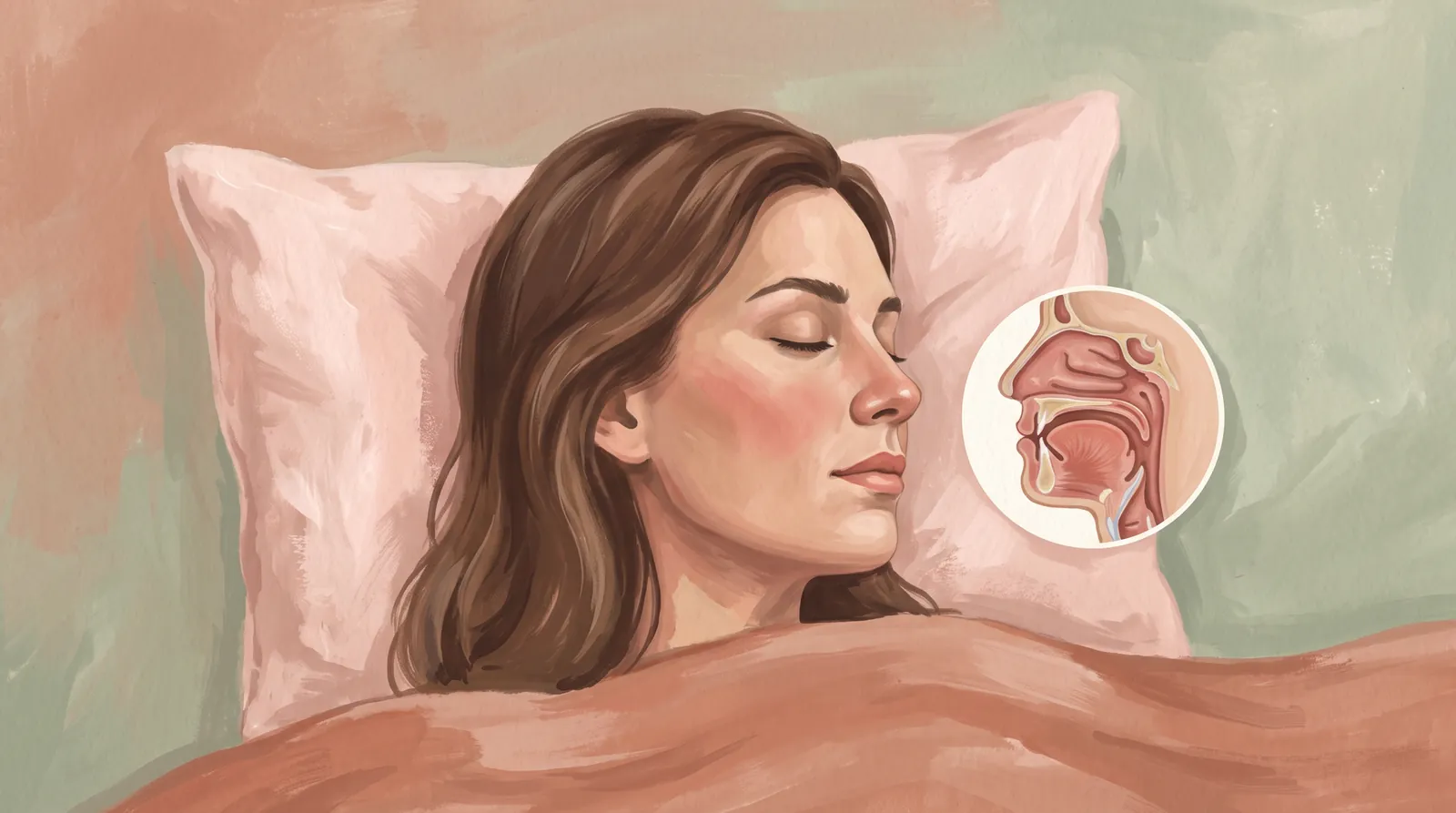
Sleep Apnea
What the sleep apnea guide covers, and how mouth tape sits next to a CPAP machine. Mouth tape is not a treatment for sleep apnea and not a reason to stop a prescribed machine.
We buy every product ourselves. Hands-on multi-tester trials; lab checks when we commission them. Our methodology
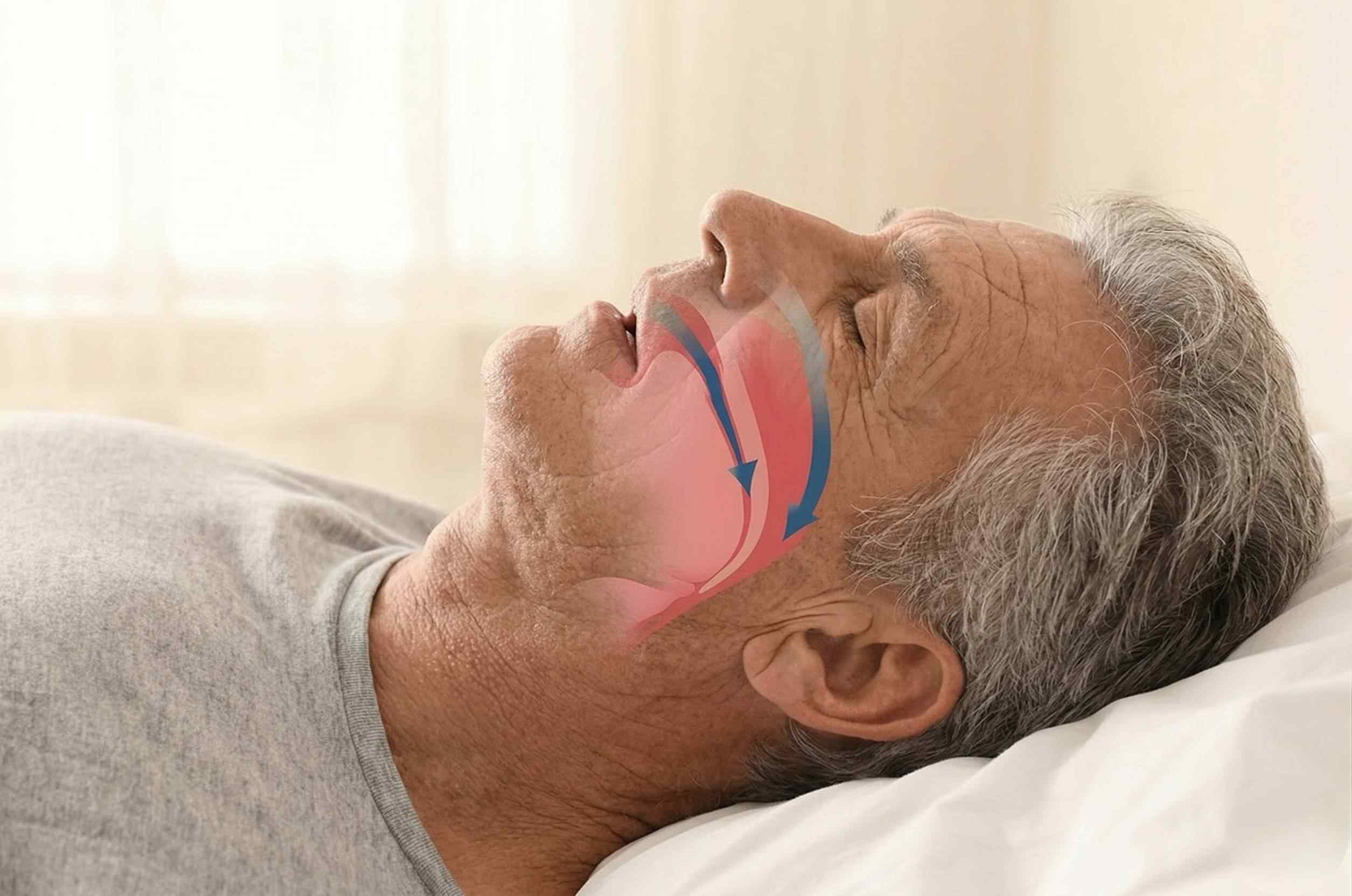
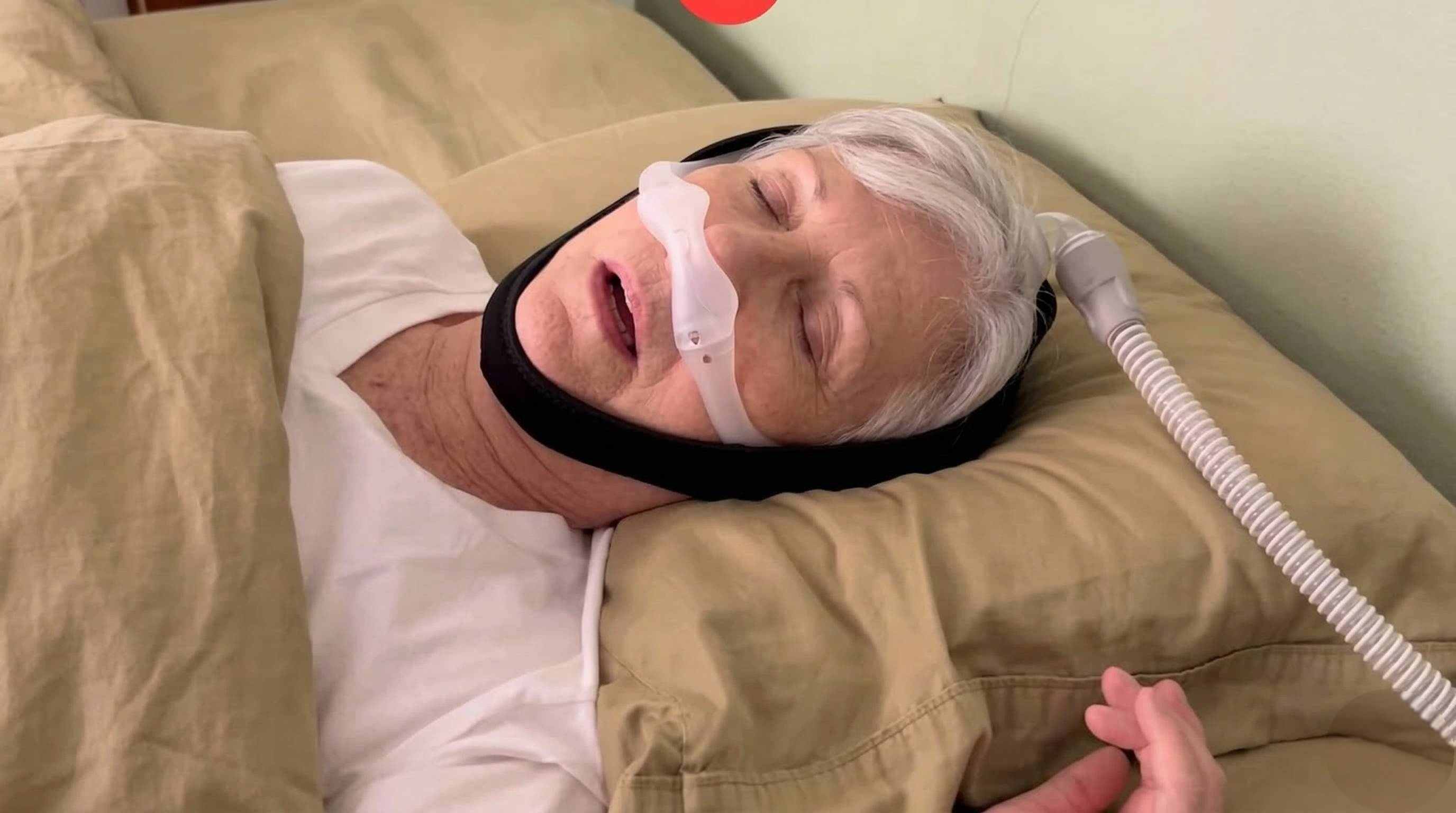
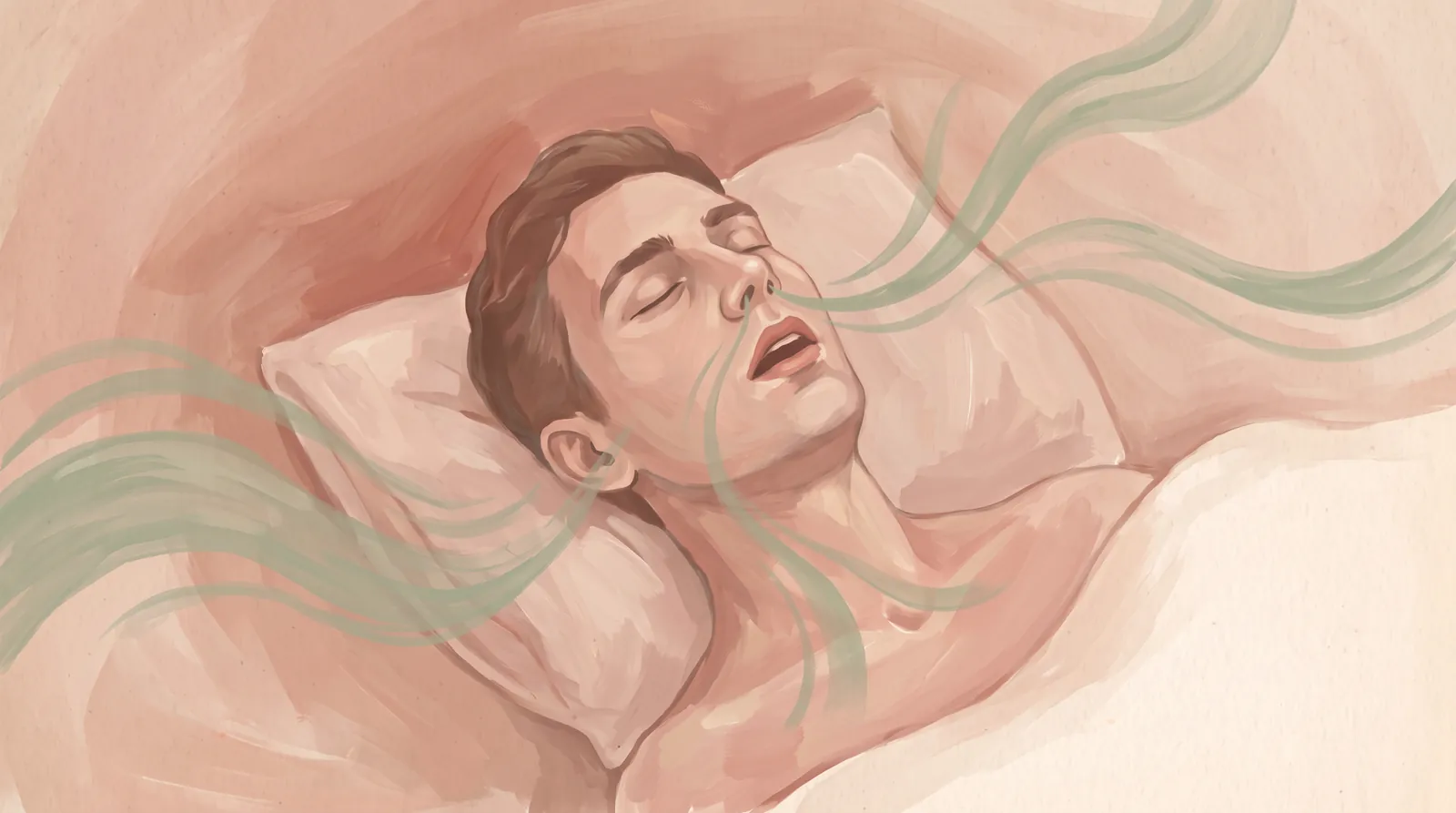
Loud, frequent snoring. Pauses in breathing, choking, or gasping during sleep (often noticed by a partner). Daytime sleepiness or dozing off while driving. Morning headaches or a dry mouth when you wake up. These signs can point to obstructive sleep apnea. It can only be diagnosed with a sleep study ordered by a clinician, either in a lab or at home (AASM Sleep Education). See what a sleep study involves.
The 29.4 million figure, and the undiagnosed share (23.5 million of 29.4 million), are from the AASM / Frost & Sullivan 2016 report. The 936 million figure, including 425 million moderate to severe, is from Benjafield et al., Lancet Respir Med 2019.
Mouth tape is not a sleep apnea treatment
20 mouth-breathers with mild OSA, taped for 1 week, with no control group. Their median AHI fell from 8.3 to 4.7 events per hour (Lee 2022). That is an early signal, not evidence of treatment. Nasal strips have not improved OSA measures either: a meta-analysis of 14 studies found no significant change in AHI (Camacho 2016). If you have or suspect sleep apnea, do not use tape in place of diagnosis or prescribed therapy, and never stop a prescribed CPAP to try it.
Average CPAP non-adherence across 82 studies over 20 years, with no meaningful improvement over time (Rotenberg et al. 2016).
CPAP requires a prescription and a doctor's supervision. If CPAP is uncomfortable, talk to your sleep clinician about fit, masks, and other options. Do not stop on your own.
Sleep apnea questions
No. One small study in people with mild sleep apnea showed short-term changes, but there was no control group. Mouth tape is not a treatment, and it is not a reason to skip a diagnosis.
Ask your sleep doctor first. Some CPAP users deal with mouth leak, but your clinician should decide how to handle it. CPAP requires a doctor; do not change therapy on your own.
Ask your primary care doctor or a sleep specialist. Depending on your symptoms, they may order an in-lab study or a home sleep test. See what a sleep study involves.
Related reading
Most read in Sleep apnea
Explore