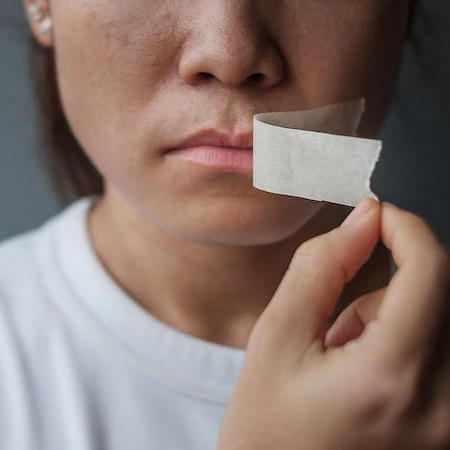
Different Problems, Different Solutions
Mouth tape and nasal strips are both popular sleep breathing aids, but they address completely different issues. Mouth tape keeps your mouth closed to promote nasal breathing. Nasal strips physically open your nasal passages to improve airflow. Understanding which problem you actually have determines which product (or combination) is right for you.
How Mouth Tape Works
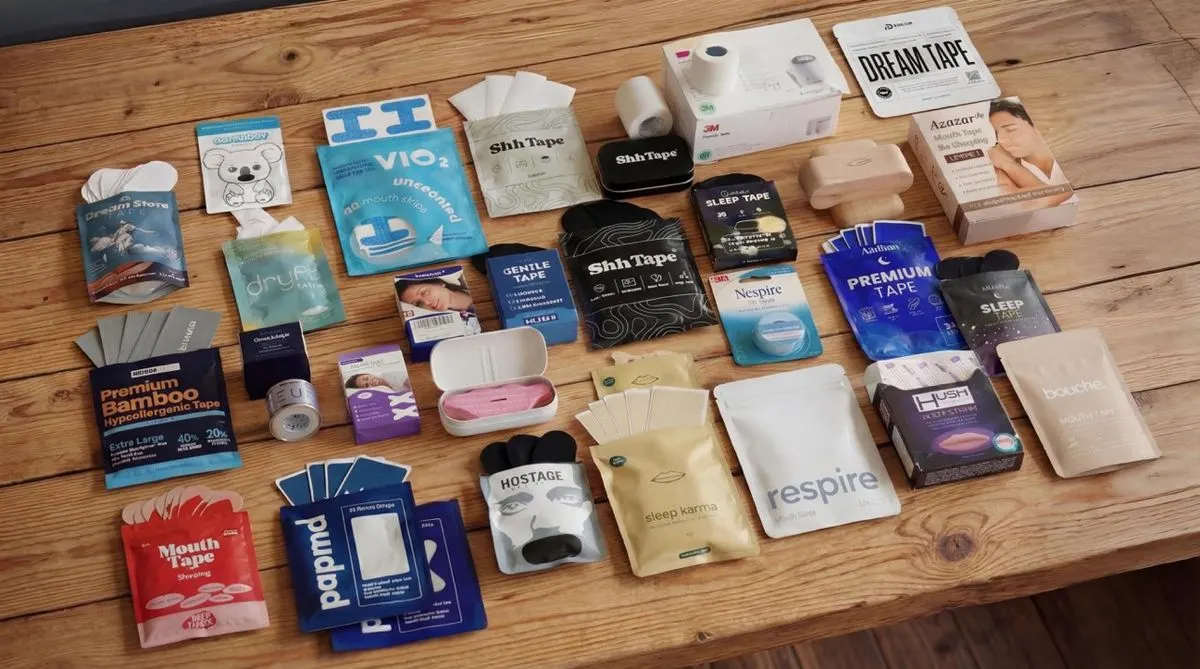
Mouth tape applies a gentle adhesive seal across or between the lips, keeping the mouth closed during sleep. This encourages breathing through the nose, which filters, warms, and humidifies air.
Mouth tape addresses: mouth breathing, snoring caused by mouth breathing, dry mouth, and morning breath.
How Nasal Strips Work
External nasal strips (like Breathe Right) use a spring-loaded adhesive strip placed across the bridge of the nose. The strip's tension gently pulls the nostrils open, increasing nasal airflow by widening the nasal valve — the narrowest point of the nasal passage.
Nasal strips address nasal congestion or a narrow nasal passage. If you have a deviated septum or ongoing congestion, see a doctor or ENT.
When to Use Mouth Tape
Mouth tape is the right choice if:
- You can breathe easily through your nose during the day but default to mouth breathing at night
- You wake up with dry mouth, cracked lips, or bad breath
- Your partner reports that you snore with your mouth open
- You want to breathe through your nose at night and your nose is clear.
- You've addressed any nasal obstruction and simply need a reminder to keep your mouth closed
When to Use Nasal Strips
Nasal strips are the right choice if:
- Nasal congestion or a narrow nasal passage.
- If you have a deviated septum or ongoing congestion, see a doctor or ENT.
- You snore primarily through your nose (closed-mouth snoring)
- You want to open the nose without a spray.
Can You Use Both Together?
Some people use both, especially when congested. No study has tested the combination. If you have mild nasal congestion and tend to breathe through your mouth, put the nasal strip on first and make sure you can breathe through your nose before you add tape.
The combination is particularly useful during allergy season, when nasal congestion might otherwise make mouth taping uncomfortable. Apply the nasal strip first, confirm you can breathe comfortably through your nose, then apply the mouth tape.
Effectiveness Comparison
For Snoring
There is no head-to-head trial of mouth tape against nasal strips for snoring. Mouth tape keeps your lips closed, so it fits open-mouth snoring. The best-known study is small: 20 mouth-breathers with mild sleep apnea taped for one week, with no control group, and their median snoring index fell 47% (Lee et al. 2022, https://pubmed.ncbi.nlm.nih.gov/36141367/). Nasal strips open the front of the nose, so they fit snoring that starts with a blocked or narrow nose.
For Sleep Quality
For sleep quality: no trial we found compares the two on sleep quality, so we do not pick a winner.
For Dry Mouth
Mouth tape is the only one of the two that keeps the lips closed, so it is the one to try for dry mouth caused by open-mouth sleeping. Nasal strips do not keep the mouth closed.
Cost Comparison
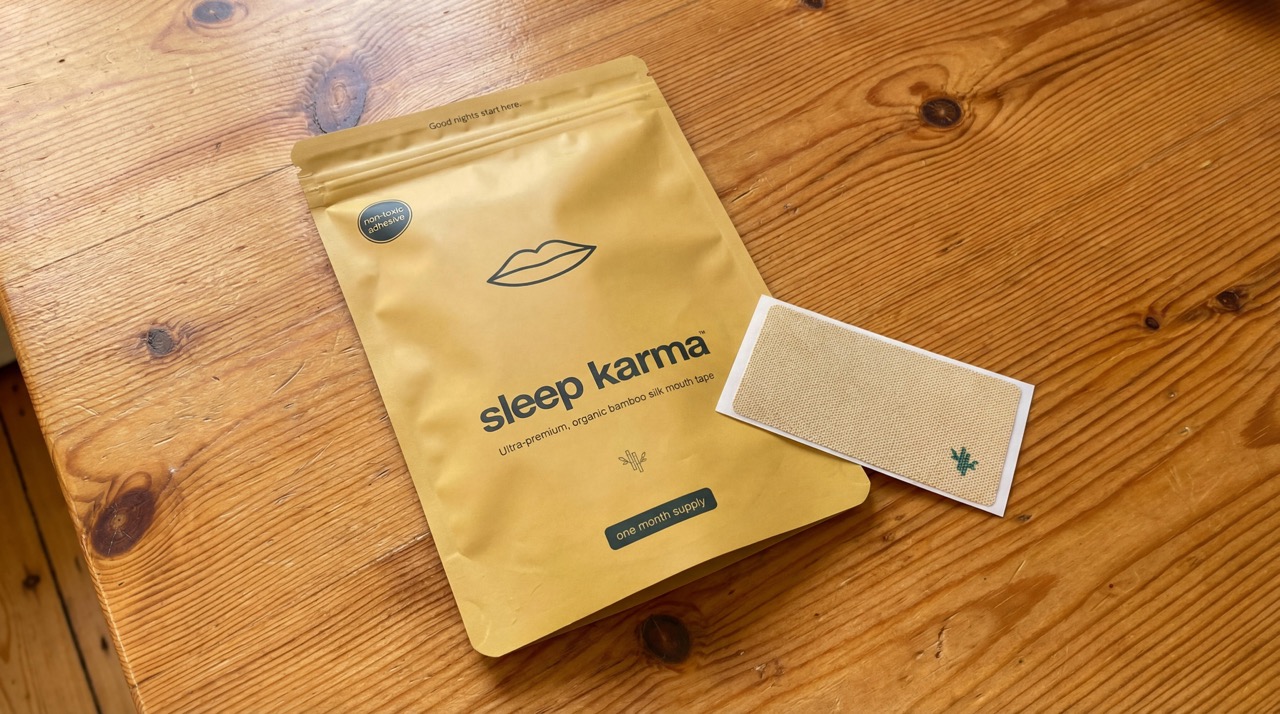
- Mouth tape: on November 4, 2026, Sleep Karma listed $49.95 for one 30-pack ($1.67 per strip; $49.95 / 30) and $34.97 for one month on subscription ($1.17 per strip; $34.97 / 30) at https://sleepkarma.co/products/mouth-tape. (Evident owns Sleep Karma.) Other mouth tapes were not rechecked, so this is not a category range.
- Nasal strips: no per-strip price is stated here. Retailer prices were not rechecked on November 4, 2026.
- Combination: not priced. A combined nightly cost depends on which two products you buy.
Our Recommendation
Start by identifying your primary problem. If you mouth breathe during sleep (dry mouth, open-mouth snoring), start with mouth tape. If you have nasal congestion (closed-mouth snoring, difficulty breathing through nose), start with nasal strips. If you have both issues, some people use both. No study has tested the combination. Do not tape your mouth if your nose is blocked, and do not use mouth tape on children. Loud snoring with gasping, choking, or daytime sleepiness is a reason to see a doctor. Neither product treats sleep apnea.
A meta-analysis of 14 studies found that nasal dilator strips improved nasal breathing but didn't significantly change snoring index or sleep apnea severity in people with OSA (Camacho 2016). If you snore loudly and also gasp, choke, or feel sleepy during the day, see a doctor. Neither strips nor tape treat sleep apnea.
References
- Camacho M, et al. Nasal dilators for snoring and OSA: systematic review and meta-analysis. Pulm Med. 2016. https://pubmed.ncbi.nlm.nih.gov/28070421/
- Lee YC, et al. Healthcare (Basel). 2022;10(9):1755. https://pubmed.ncbi.nlm.nih.gov/36141367/
Frequently Asked Questions
It depends on the type of snoring. If you snore with your mouth open, mouth tape is the better fit. If you snore with your mouth closed, nasal strips are the better fit. Neither has been compared head to head.
They can make breathing through the nose easier, but they have not been shown to help sleep apnea. A 2016 systematic review and meta-analysis pooled 14 studies of external strips (like Breathe Right) and internal dilators. Nasal breathing improved, but in people with obstructive sleep apnea there was no significant change in apnea-hypopnea index, lowest oxygen level, or snoring index. Average AHI went from 28.7 to 27.4 events per hour (p = 0.64) (Camacho et al., Pulm Med 2016, https://pubmed.ncbi.nlm.nih.gov/28070421/). Strips are most likely to help people whose snoring comes from nasal congestion or a narrow nasal valve. They do not help deeper blockages, and they are not a sleep apnea treatment.
Some people use both, especially when congested. No study has tested the combination. Apply the nasal strip across your nose first, confirm you can breathe comfortably through your nose, then apply the mouth tape.