
Dry Mouth at Night
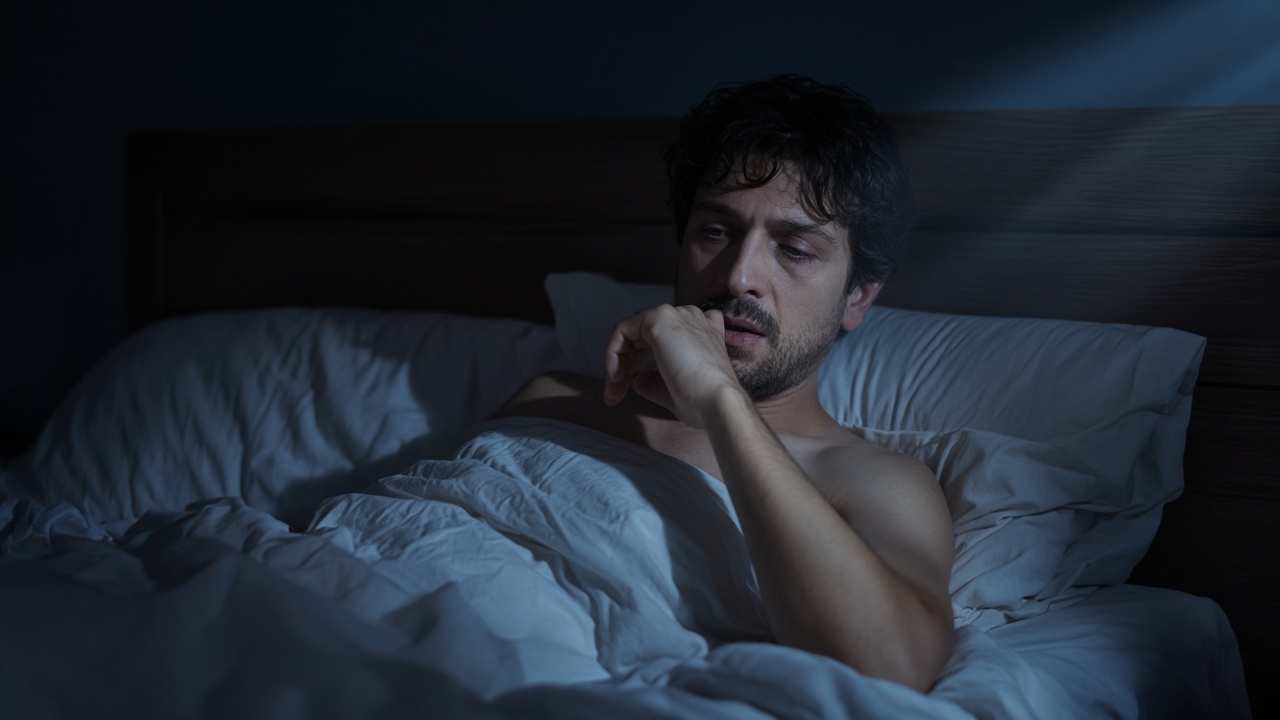
Waking up parched is common. The causes range from simple mouth breathing to medicines and medical conditions — and some need a clinician, not a product.
💡Key takeaways
- A dry mouth at night is often tied to mouth breathing, medicines, dehydration, or aging. Disease of the salivary glands is less common. Mayo Clinic, the NHS, and MedlinePlus all say this.
- Loud snoring, breathing pauses, gasping, morning headaches, or heavy daytime sleepiness are reasons to talk to a clinician. Dry mouth can show up with those symptoms. Mayo Clinic lists them for sleep apnea. Sleep apnea needs a doctor. This page cannot tell you if you have it.
- Start with water, a humidifier if the air is dry, and less alcohol. A product is optional. Mouth tape is not a treatment.
- In Evident’s observational pilot, dry mouth was reported on 59% of untaped nightly logs and 12% of taped logs. That was 81 logs from 29 adults using Sleep Karma tape. Self-rated sleep was 7.1 with tape and 5.7 without. It was not randomized or blinded. Evident’s parent company owns Sleep Karma. Full results.
What dry mouth at night means
Dry mouth means the mouth does not stay comfortably wet. Salivary glands may be making less saliva, or air moving over the tongue and gums may be drying them while you sleep. People describe stickiness, thick saliva, bad breath, a sore throat, or a grooved tongue. Mayo Clinic uses the clinical name xerostomia for a mouth that does not make enough saliva to stay wet.
Common causes
These are the causes named on the pages we read. None of the numbers below are ours.
Mouth breathing and snoring
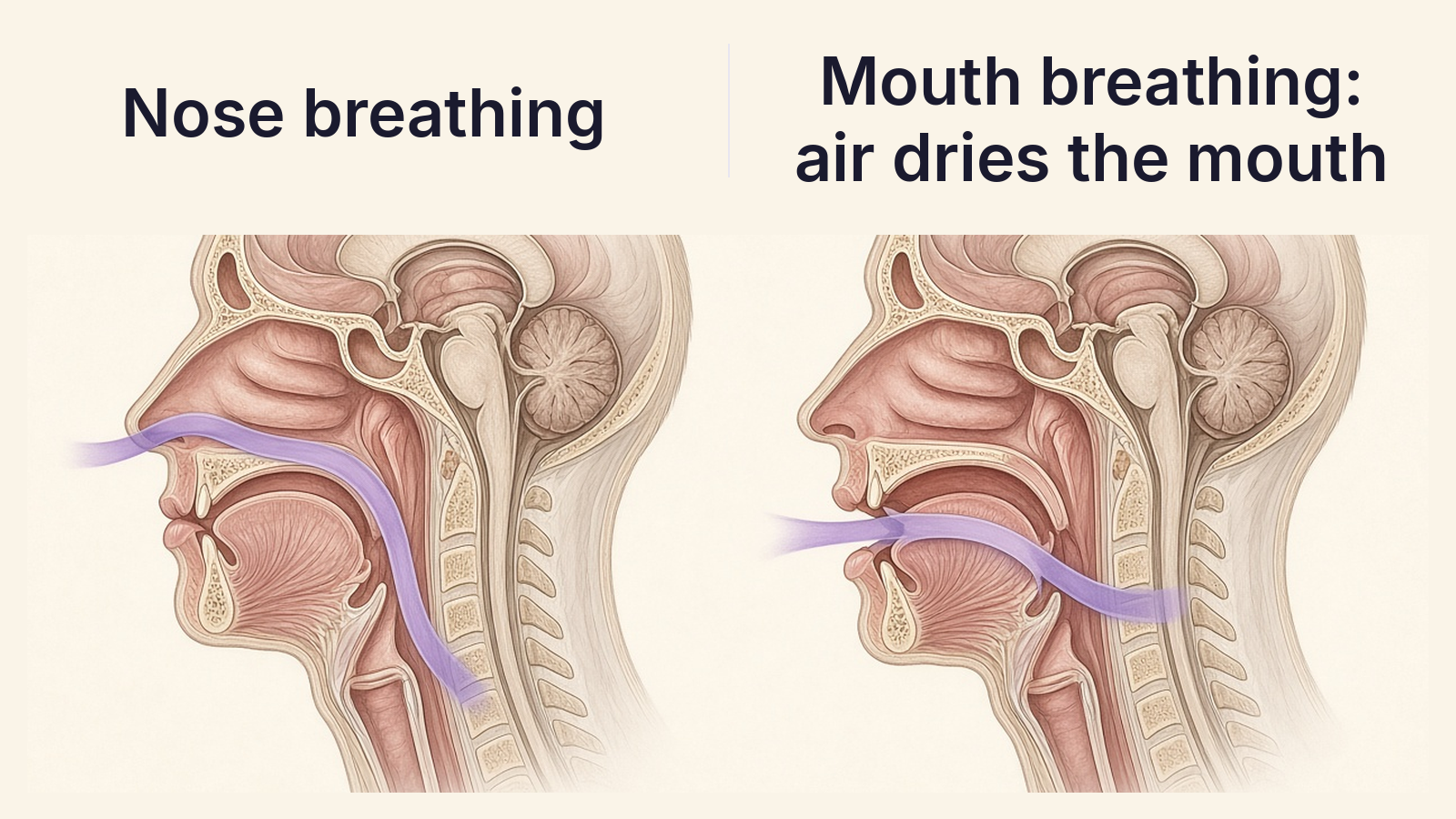
Breathing through the mouth at night dries the mouth. A blocked nose is a frequent reason people switch. The NHS says this can happen if you have a blocked nose or you sleep with your mouth open. Sleep Foundation says the same, and that nighttime mouth breathing is associated with sleep-disordered breathing. Mayo Clinic lists snoring and mouth breathing as a cause of dry mouth.
Medicines
Many prescriptions and drugstore medicines list dry mouth as a side effect. Mayo Clinic names medicines for depression, high blood pressure, and anxiety, plus some antihistamines, decongestants, muscle relaxants, and pain relievers. MedlinePlus adds some bladder-control medicines. Check the leaflet. The NHS says not to stop a prescribed medicine without medical advice, even if you think it is the cause.
Dehydration, alcohol, and tobacco
Low fluid intake, alcohol, and tobacco can make dryness worse. Mayo Clinic, the NHS, and MedlinePlus each say so. The NHS says to sip water through the day, keep some by the bed, and not drink lots of alcohol.
Medical conditions and treatments
Diabetes, Sjögren syndrome, nerve damage in the head and neck, and radiation or chemotherapy to that area can reduce saliva. Mayo Clinic also lists aging: many older adults notice a drier mouth as the body handles medicines differently. A dry mouth that does not go away needs a professional, not a guess from this page.
When to see a doctor or dentist
Sleep apnea is a medical condition. A doctor has to evaluate it. Mouth tape does not treat it.
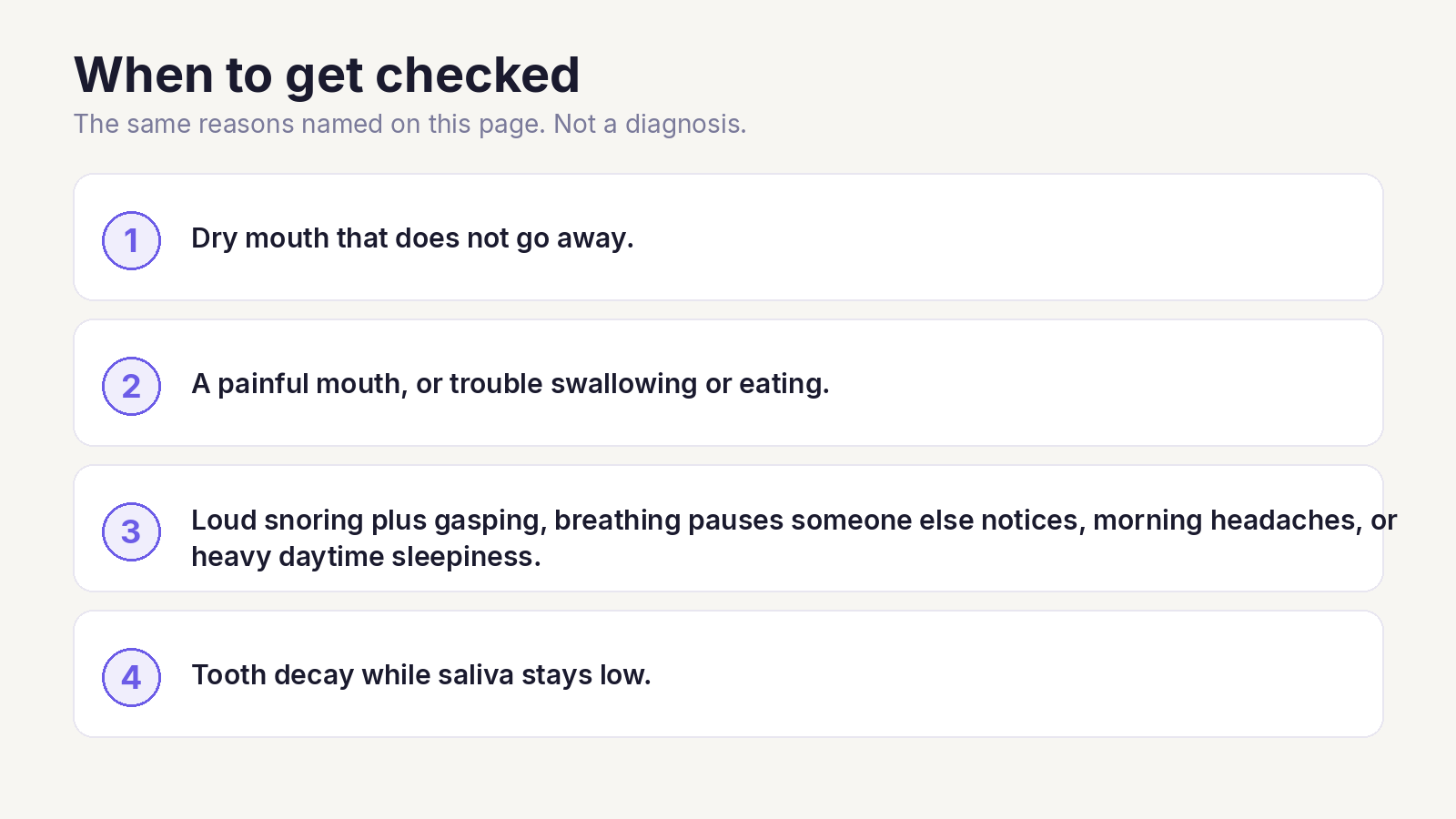
Dry mouth that does not go away. Mayo Clinic says to make an appointment.
A painful mouth, trouble swallowing, or trouble eating. The NHS lists these as reasons to see a GP.
Loud snoring plus gasping, breathing pauses someone else notices, morning headaches, or heavy daytime sleepiness. Mayo Clinic lists those as sleep apnea symptoms.
Tooth decay while saliva stays low. Mayo Clinic and MedlinePlus both tie low saliva to decay. A dentist can look.
What you can try tonight
These are habits from the NHS, MedlinePlus, and Sleep Foundation. They are not medical advice, and they are not a treatment plan.
Sip water through the day and keep a glass by the bed. The NHS also says not to drink lots of alcohol.
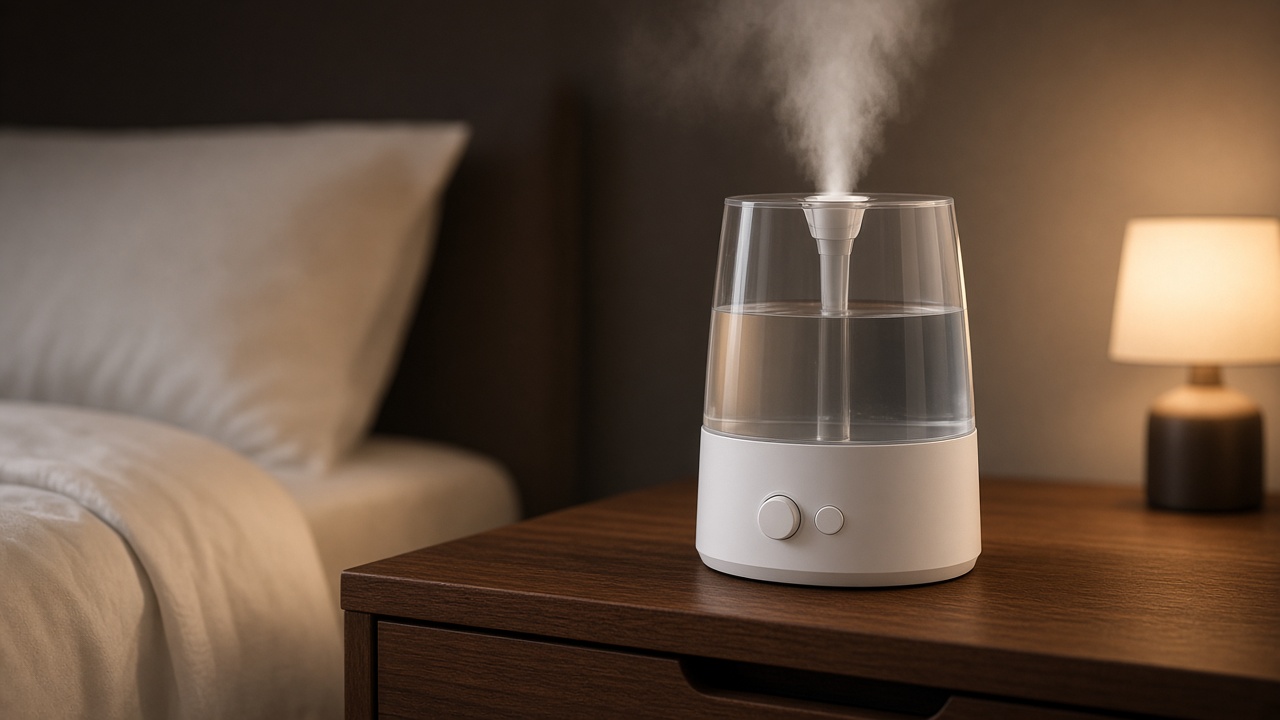
If the bedroom air is very dry, run a humidifier. Sleep Foundation and MedlinePlus both suggest one at night.
If a blocked nose is why you mouth-breathe, treat the congestion. The NHS says a pharmacist may suggest a decongestant. Anything prescribed needs a clinician.
If dryness started after a new medicine, read the leaflet and ask a pharmacist or clinician. Do not stop the medicine on your own.
Mouth tape and nasal strips are optional, and only if you can breathe easily through your nose. Mouth tape is not a treatment.
Product shopping, if you want it, is on our mouth tape comparison. Safety limits are on is mouth tape safe. A wider look at the sleep-habit trend is on sleepmaxxing.
What Evident logged
29 adults produced 81 valid nightly logs, alternating tape and no-tape nights with Sleep Karma tape. Self-rated sleep quality averaged 7.1 on tape nights and 5.7 without. Dry mouth was reported on 12% of taped logs and 59% of untaped logs. The study was observational. It was not randomized or blinded, and it was not a clinical trial. Evident’s parent company owns Sleep Karma.
The pilot does not prove mouth tape cures dry mouth. People knew which nights they used tape, the sample is small, and everyone used one brand. It is one real-world data point with those limits written down.
How we checked
On October 19, 2026, we read the dry-mouth pages from Mayo Clinic, the NHS, and MedlinePlus, Mayo Clinic’s sleep apnea symptoms page, and Sleep Foundation’s overview of dry mouth at night. The pilot numbers are the ones already published on our sleep-study results page. We did not add causes, rates, or product results that those pages do not state.
How Evident scores products is a separate method. It does not apply to the medical pages cited here.
Read the limits with the numbers
29 adults, 81 nightly logs, Sleep Karma tape. Not randomized or blinded. Evident’s parent company owns Sleep Karma.
Questions people ask
Common reasons include mouth breathing, medicines, dehydration, alcohol, tobacco, aging, and conditions that reduce saliva. Mayo Clinic lists snoring and breathing with the mouth open as one cause, and medicines for depression, high blood pressure, and anxiety, plus some antihistamines and decongestants, as others.
The NHS starts with things you can do at home: sip water, keep some by the bed, and do not drink lots of alcohol. A humidifier helps when the air is dry. If a blocked nose is why you mouth-breathe, a pharmacist may suggest a decongestant. Do not stop a prescribed medicine on your own. If the dryness stays, see a clinician or dentist.
Some people who mouth-breathe say the mouth feels less dry when the nose is open and the lips stay closed. In Evident’s observational pilot, dry mouth was reported on 12% of taped nightly logs and 59% of untaped logs. That study was not randomized or blinded, and mouth tape is not a treatment.
Waking with a dry mouth is one symptom Mayo Clinic lists for sleep apnea, along with loud snoring, gasping, witnessed breathing pauses, morning headaches, and heavy daytime sleepiness. Only a clinician can evaluate that. This page is not a diagnosis.
No. MedlinePlus says a mouth that stays dry can make chewing and swallowing hard and raises the risk of tooth decay. Pain, trouble swallowing, or tooth problems deserve a dental or medical visit.
Sources
Checked October 19, 2026.