
Ariana Ebrahimian
DDS
Medically reviewed: October 27, 2026 | Published: October 27, 2026
This article is educational and isn't a substitute for individual medical or dental advice. Please talk to your own dentist or doctor about your situation.
Evident editorial note. This is the expert’s perspective and is not medical advice.
Evident owns Sleep Karma.
Video
This expert’s video will play here once a URL is added.
On this page
What a healthy oral microbiome looks like
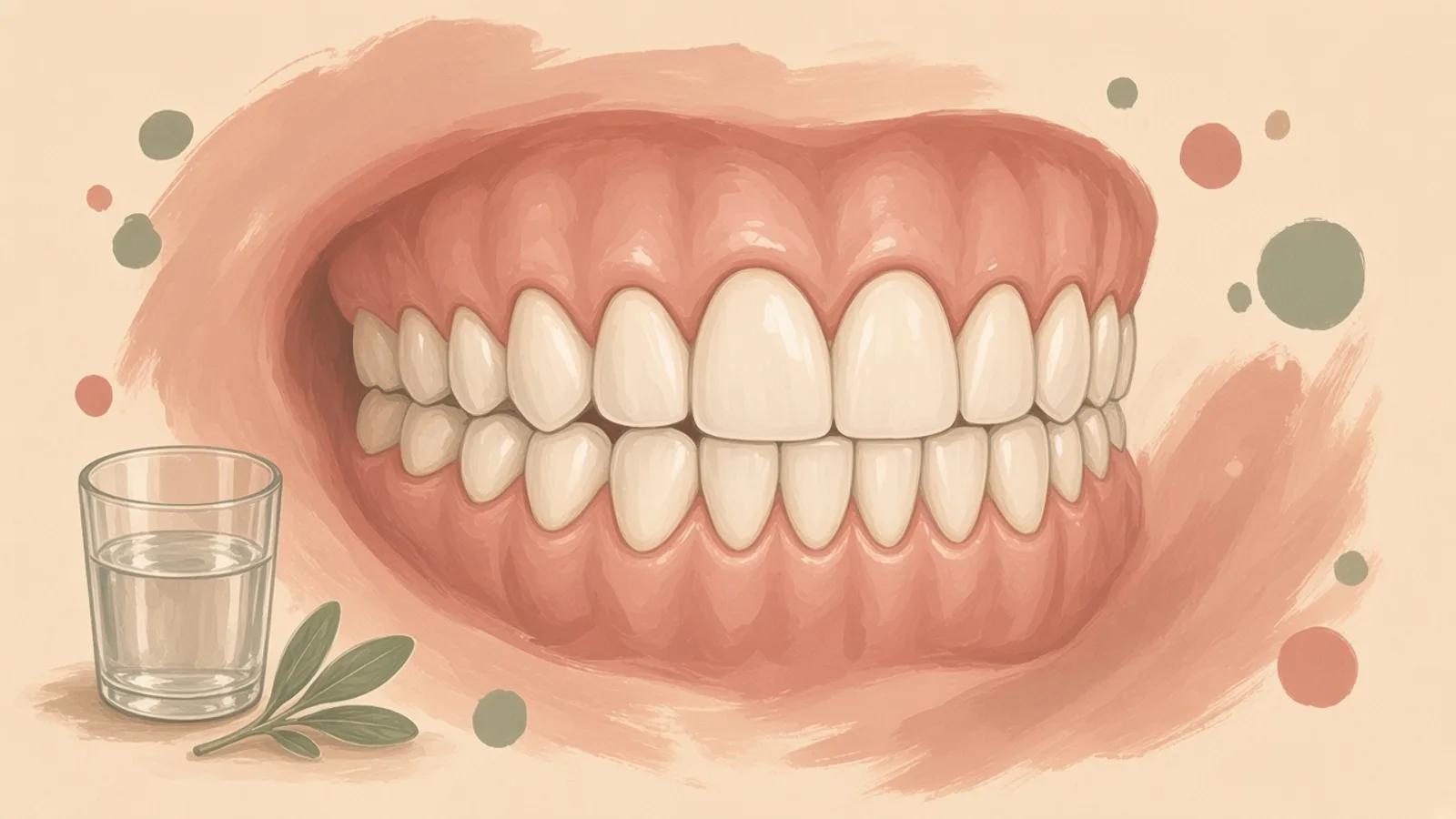
Your mouth is home to hundreds of species of bacteria, and most of them are on your side.
The goal was never a sterile mouth. The goal is a well-run neighborhood.
The goal was never a sterile mouth. The goal is a well-run neighborhood.
In a healthy mouth, a steady community of beneficial species holds its ground and crowds out the troublemakers. When the environment changes and that community shifts toward acid-producing, inflammation-causing species, we call it dysbiosis. That shift, not one single "bad bug," is what drives gum disease and decay [1].
Variety matters too. When researchers pooled data on the oral microbiome, people with periodontitis had a less diverse bacterial community than people with healthy gums [3]. A varied neighborhood is a resilient one.
So what keeps the neighborhood running smoothly? Three things.
A stable, near-neutral pH. Beneficial bacteria thrive around neutral. Enamel starts to lose minerals when the oral pH drops below roughly 5.5, and when the mouth stays acidic, acid-loving bacteria take over [1][2].
Plenty of saliva. Saliva does more than most people realize. It buffers acid, carries minerals back to your enamel, delivers antimicrobial proteins, and rinses away debris [5]. A well-hydrated mouth is a self-cleaning mouth.
Nasal breathing. When you breathe through your nose, your mouth stays closed and moist, which protects everything saliva is working to do.
1
A stable, near-neutral pH
Enamel starts to lose minerals below roughly 5.5.
2
Plenty of saliva
It buffers acid, carries minerals back, and rinses debris.
3
Nasal breathing
The mouth stays closed and moist.
Most of us protect these conditions all day without thinking about it. The real question is what happens at night.
What disrupts it, especially lips-apart posture
You probably know the everyday disruptors already: frequent sugar and snacking, harsh alcohol-based or antiseptic mouthwashes, not drinking enough water, medications that dry the mouth, and smoking or vaping.
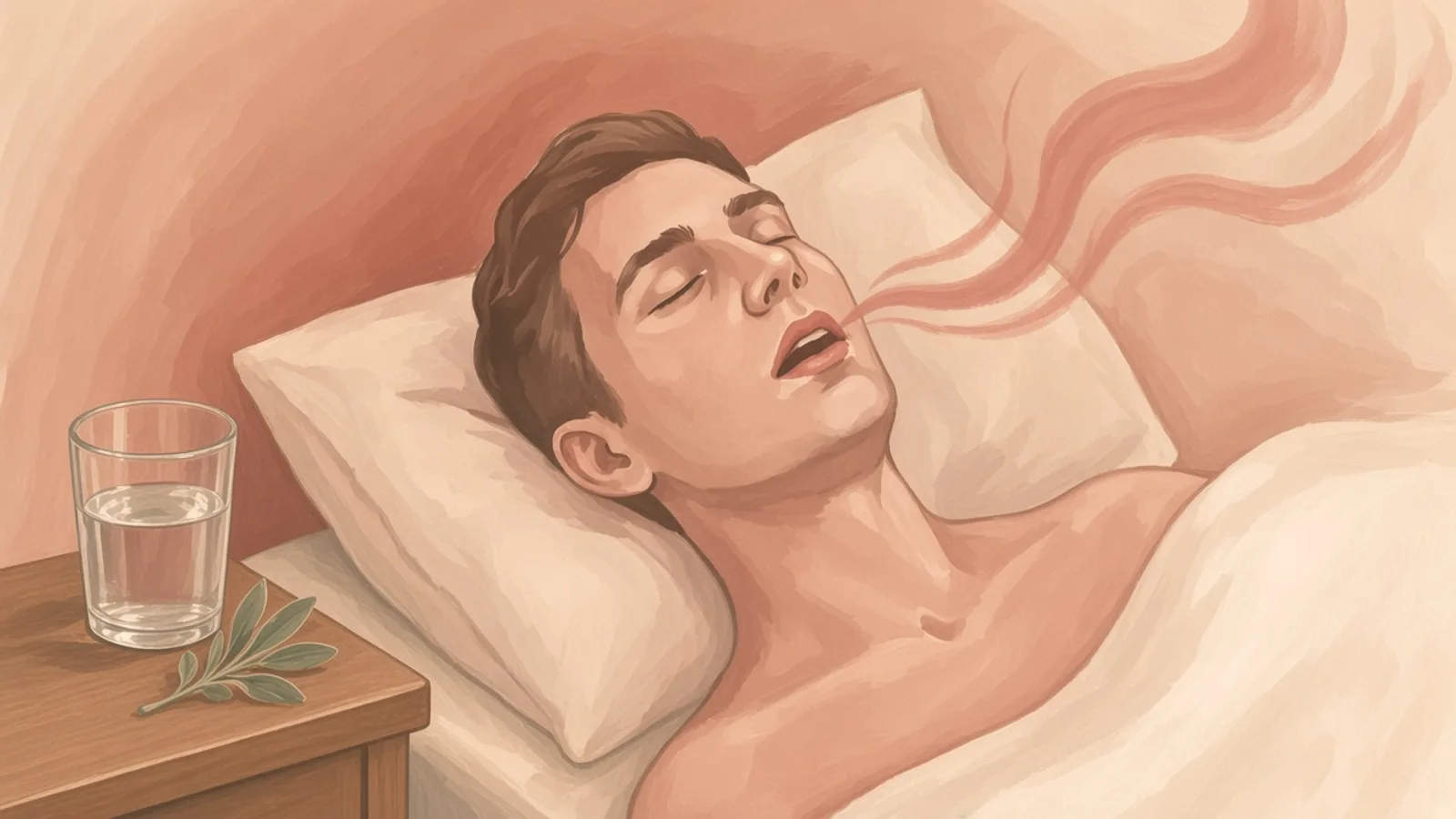
The overnight disruptor most people never notice is sleeping with their lips apart.
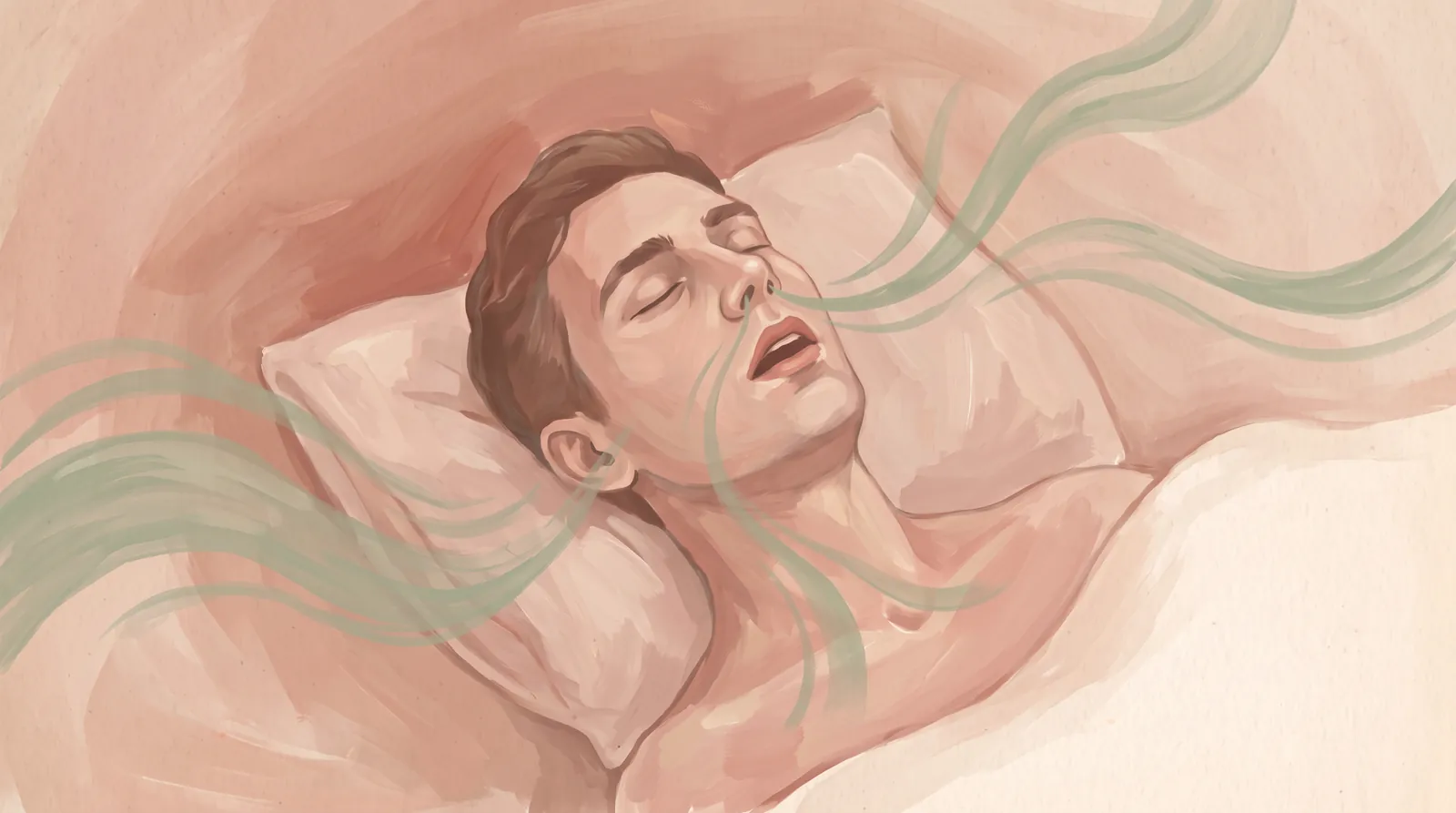
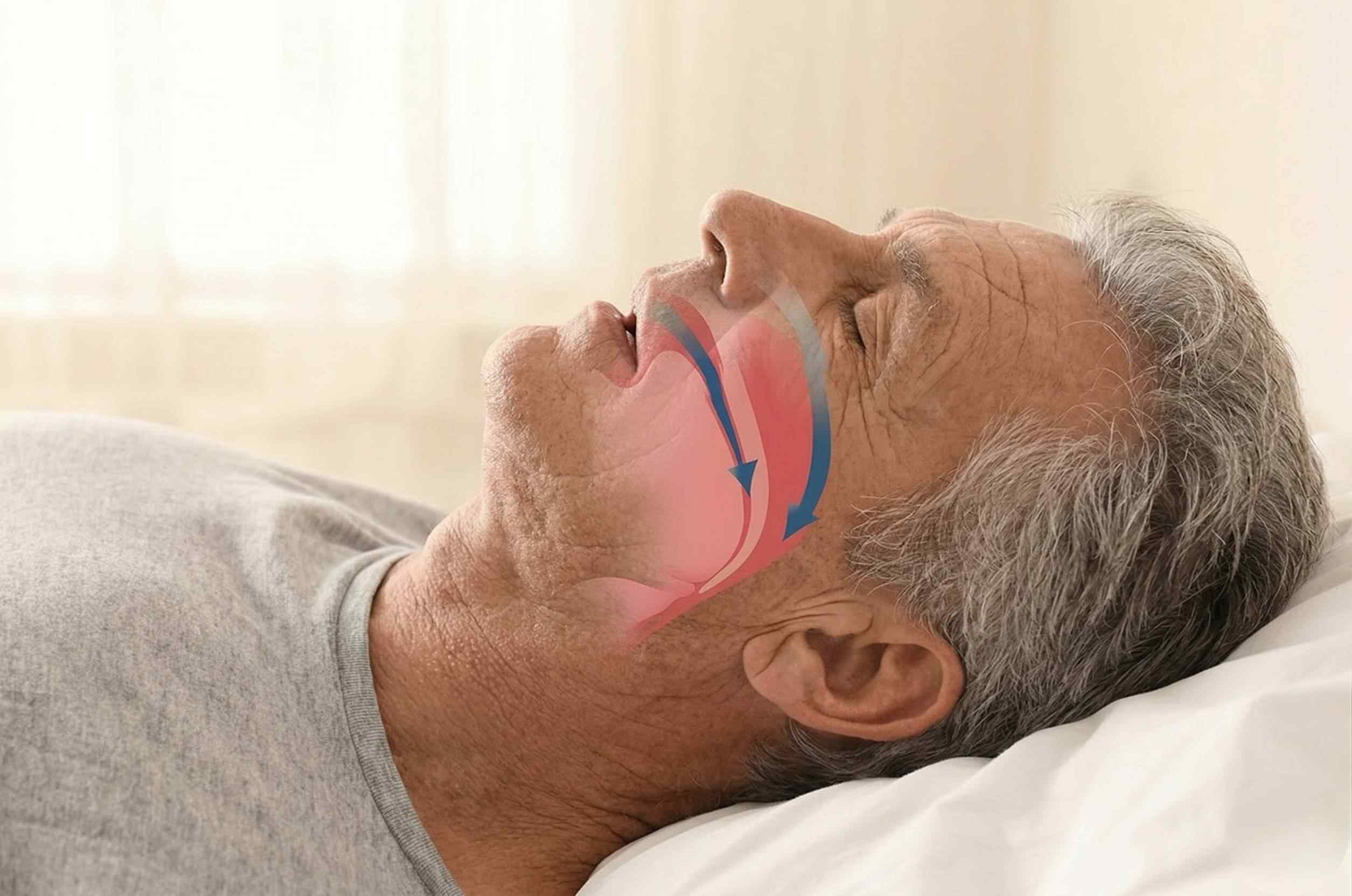
Lips-apart posture simply means resting with your lips parted. Sometimes it's habit. Sometimes it's a stuffy nose. Sometimes it's the way your jaws and airway have developed. Plenty of people do it all night and have no idea.
Here's why it matters. Saliva production drops way down during sleep, so your mouth is already in its most vulnerable window of the day [5]. Add air moving across open lips for seven or eight hours, and that airflow evaporates what little saliva is left. That's why so many people wake up with a mouth like the Sahara.
Less saliva means less buffering, so the pH drifts lower and stays there longer.
We have numbers on this. In a study from the University of Otago in New Zealand, 10 healthy volunteers slept with and without a nose clip that forced them to breathe through their mouths. Average overnight pH was about 7.0 with nasal breathing and 6.6 with mouth breathing, and at times it dipped as low as 3.6, well below the 5.5 threshold where enamel starts to demineralize [4].
Nasal breathing
7.0
Mouth breathing
6.6
Enamel threshold in this article: about 5.5
It was a small study, but it shows the mechanism clearly: an open mouth overnight is a drier, more acidic mouth. And a dry, acidic mouth is exactly where acid-tolerant, inflammation-associated bacteria thrive [1]. One night won't change much. Night after night, it tilts the balance.
How do you know if this is you? Maybe you wake up with a dry mouth or thick, sticky saliva, or your morning breath is stronger than it should be. Maybe your lips are cracked, you snore, you find drool on your pillow, or your partner has mentioned that your mouth hangs open while you sleep.
Why it matters beyond the mouth

Your mouth is the gateway to the rest of your body. When gums are inflamed, oral bacteria and inflammatory signals can slip into the bloodstream and circulate throughout the body. That's the oral-systemic link in one sentence [6].
This research is still unfolding, and it's some of the most exciting work in dentistry right now. Here's where it stands.
Brain. A growing body of research points to Porphyromonas gingivalis, a keystone gum-disease bacterium, as a possible contributor to Alzheimer's disease rather than just a bystander. Researchers have found its toxic enzymes, called gingipains, in Alzheimer's brain tissue. In mice, oral infection with the bacterium reached the brain and increased amyloid production and inflammation [7].
Heart. Severe gum disease is independently associated with cardiovascular disease, and P. gingivalis has been found in arterial plaque. A 2020 consensus report from the European Federation of Periodontology and the World Heart Federation laid out the mechanisms linking the two [8].
Nitric oxide. Your body relies on nitric oxide to keep blood vessels relaxed and blood pressure in a healthy range, and your mouth and nose are two of its quiet suppliers. Certain friendly oral bacteria turn the nitrate in foods like leafy greens and beets into nitrite, which your body converts into nitric oxide. When researchers wiped out those bacteria with an antiseptic mouthwash for a week, oral nitrite production dropped by 90% and blood pressure rose within a day [11]. Your nose contributes too. Your sinuses produce nitric oxide that travels to your lungs with every nasal breath, and in one study most participants had about 10% higher oxygen levels while nasal breathing than while mouth breathing [12]. Breathe through your mouth all night and you bypass that supply entirely.
Reproductive health. Gum disease has been associated with taking longer to conceive [9] and with pregnancy complications such as preterm birth and low birth weight [13].
That's a lot to take in, but I find all of this encouraging. Caring for your mouth is one of the most accessible ways to support your whole body, and small nightly habits add up.
Lip taping: an easy overnight hack
Lip taping means placing a small, skin-safe strip over your lips to gently hold them together while you sleep. Think of it as a reminder, not a seal. You're not taping your whole mouth shut. A good lip tape keeps your lips softly closed and still lets you open your mouth if you need to.
Here's how it may help your oral microbiome. With your lips closed, air isn't flowing across your mouth and evaporating your saliva all night, which may support a more stable pH while you sleep. It also nudges you toward nasal breathing, which keeps the whole oral environment moist.
Aside from flossing, lip taping is the habit I talk about most with my patients, and one I adopted myself 20 years ago. So many patients tell me they feel they sleep better with it, and clinically, I've seen oral health improve when patients commit to nasal breathing.
As for the evidence: no study has measured lip taping's effect on the oral microbiome directly yet. The case rests on what we know about mouth breathing, saliva and pH. The taping research overall is small and early. A 2025 systematic review found just 10 studies with 213 people in total, with mixed results, and the authors flagged a real risk of harm when people tape without being screened first [10]. That's exactly why the safety section below matters.
How to start
Test your nose first. Close your lips and breathe through your nose for a few minutes while you're relaxed. If that's a struggle, see a provider before you tape.
Practice while you're awake. Wear it for 20 to 30 minutes while reading or watching something before you try it overnight.
Use tape made for lips. Apply it to clean, dry skin, and choose one that removes easily.
Pick a design that lets your mouth open if needed. A small strip or a design with an opening, not full coverage.
Pair it with the basics. Drink enough water, use a microbiome-friendly oral care routine, and go easy on snacking and refined carbohydrates. Lip taping supports these habits. It doesn't replace them.
Who should NOT lip tape
Lip taping is for healthy nasal breathers. Some people need a conversation with a provider first, and some should skip it altogether [10].
Untreated sleep apnea, or any suspicion of it. Signs include loud snoring, gasping or choking at night, pauses in breathing, and feeling exhausted during the day. Taping can mask those symptoms and delay a diagnosis, and in moderate to severe apnea it may restrict breathing. Get evaluated first.
Young children. Kids who mouth breathe usually have a reason: enlarged tonsils or adenoids, allergies, a tongue-tie, or the way the jaw is developing. That reason deserves an evaluation, not tape.
Pregnant women. Pregnancy raises the risk of sleep-disordered breathing, so skip lip taping while you're pregnant unless you have clearance from your doctor.
Anyone who can't breathe comfortably through the nose. That includes congestion, a cold, flaring allergies, a deviated septum or any other nasal blockage.
Also check with a provider first if you have a lung or breathing condition, nausea or reflux that could cause vomiting at night, or sensitive skin around your lips, or if you take sedatives or have been drinking alcohol.
If you're unsure, that's your cue to talk with a dentist or physician trained in airway health before you start.
The bottom line
Being proactive about your mouth doesn't have to be complicated.
Your mouth works a night shift. Saliva drops, pH wants to drift, and your microbiome does its best with what it's got. Keeping your lips together is a simple way to make that shift easier.
This article is for educational purposes and isn't a substitute for personalized medical or dental advice.
About the author
Dr. Ariana Ebrahimian (DDS) is a respected practitioner, speaker and educator in the field of functional dentistry. She maintains a private practice in Scotts Valley, CA — Ebrahimian Integrative Dentistry — where she takes an integrative root-cause approach to treating orthodontic problems, sleep-disordered breathing, temporomandibular joint disorder, tethered oral tissues, and chronic oral-systemic inflammation.
She is an active member of industry-leading professional organizations such as the American Academy of Oral-Systemic Health and the Institute for Functional Medicine, among others, and co-founder of the Pacific Dental Mission, a philanthropic organization that provides care to underserved populations.
Dr. Ebrahimian earned a DDS from the Arthur A. Dugoni School of Dentistry at the University of the Pacific and a B.A. from Boston College. She has been a featured speaker and expert on functional dentistry at a variety of national conferences and for leading publications such as Authority Magazine and the Nutrition Business Journal.
You can find her on Instagram, YouTube, and her weekly newsletter.
Dr. Ebrahimian is a paid advisor to Sleep Karma, a sister company of Evident.
References (13)
- Marsh PD. Are dental diseases examples of ecological catastrophes? Microbiology. 2003;149(Pt 2):279–294. PubMed: https://pubmed.ncbi.nlm.nih.gov/12624191/
- Dawes C. What is the critical pH and why does a tooth dissolve in acid? J Can Dent Assoc. 2003;69(11):722–724. PubMed: https://pubmed.ncbi.nlm.nih.gov/14653937/
- Ai D, Huang R, Wen J, Li C, Zhu J, Xia LC. Integrated metagenomic data analysis demonstrates that a loss of diversity in oral microbiota is associated with periodontitis. BMC Genomics. 2017;18(Suppl 1):1041. PubMed: https://pubmed.ncbi.nlm.nih.gov/28198672/ · PMC: https://pmc.ncbi.nlm.nih.gov/articles/PMC5310281/
- Choi JE, Waddell JN, Lyons KM, Kieser JA. Intraoral pH and temperature during sleep with and without mouth breathing. J Oral Rehabil. 2016;43(5):356–363. PubMed: https://pubmed.ncbi.nlm.nih.gov/26666708/ · University of Otago summary: https://www.otago.ac.nz/news/newsroom/mouth-breathing-while-sleeping-may-increase-tooth-decay-risk
- Dawes C. Salivary flow patterns and the health of hard and soft oral tissues. J Am Dent Assoc. 2008;139 Suppl:18S–24S. PubMed: https://pubmed.ncbi.nlm.nih.gov/18460676/
- Linden GJ, Lyons A, Scannapieco FA. Periodontal systemic associations: review of the evidence. J Clin Periodontol. 2013;40 Suppl 14:S8–S19. PubMed: https://pubmed.ncbi.nlm.nih.gov/23627336/
- Dominy SS, Lynch C, Ermini F, et al. Porphyromonas gingivalis in Alzheimer's disease brains: evidence for disease causation and treatment with small-molecule inhibitors. Sci Adv. 2019;5(1):eaau3333. PubMed: https://pubmed.ncbi.nlm.nih.gov/30746447/
- Sanz M, Marco Del Castillo A, Jepsen S, et al. Periodontitis and cardiovascular diseases: consensus report. Glob Heart. 2020;15(1):1. doi:10.5334/gh.400. PubMed: https://pubmed.ncbi.nlm.nih.gov/32489774/ (also published in J Clin Periodontol. 2020;47(3):268–288)
- Hart R, Doherty DA, Pennell CE, Newnham IA, Newnham JP. Periodontal disease: a potential modifiable risk factor limiting conception. Hum Reprod. 2012;27(5):1332–1342. PubMed: https://pubmed.ncbi.nlm.nih.gov/22362927/
- Rhee J, Iansavitchene A, Mannala S, Graham ME, Rotenberg B. Breaking social media fads and uncovering the safety and efficacy of mouth taping in patients with mouth breathing, sleep disordered breathing, or obstructive sleep apnea: a systematic review. PLoS One. 2025;20(5):e0323643. PubMed: https://pubmed.ncbi.nlm.nih.gov/40397877/ · PMC: https://pmc.ncbi.nlm.nih.gov/articles/PMC12094774/
- Kapil V, Haydar SMA, Pearl V, Lundberg JO, Weitzberg E, Ahluwalia A. Physiological role for nitrate-reducing oral bacteria in blood pressure control. Free Radic Biol Med. 2013;55:93–100. PubMed: https://pubmed.ncbi.nlm.nih.gov/23183324/ · PMC: https://pmc.ncbi.nlm.nih.gov/articles/PMC3605573/
- Lundberg JO, Settergren G, Gelinder S, Lundberg JM, Alving K, Weitzberg E. Inhalation of nasally derived nitric oxide modulates pulmonary function in humans. Acta Physiol Scand. 1996;158(4):343–347. doi:10.1046/j.1365-201X.1996.557321000.x. PubMed: https://pubmed.ncbi.nlm.nih.gov/8971255/
- Sanz M, Kornman K, et al. Periodontitis and adverse pregnancy outcomes: consensus report of the Joint EFP/AAP Workshop on Periodontitis and Systemic Diseases. J Clin Periodontol. 2013;40 Suppl 14:S164–S169. PubMed: https://pubmed.ncbi.nlm.nih.gov/23627326/.