
Best Black Seed Oil
How to read oil milligrams, seed versus oil, and a thymoquinone line. Trial results are in the black seed oil research guide. This page does not name a best brand.
Quick answer
Compare milligrams of oil per serving with the roughly 1 to 3 grams a day used in most trials, summarized in our black seed oil guide. A thymoquinone percentage is the brand’s claim until a certificate shows it for that lot. This page does not name a best brand or reprint prices.
Oil, capsules, gummies, and seed
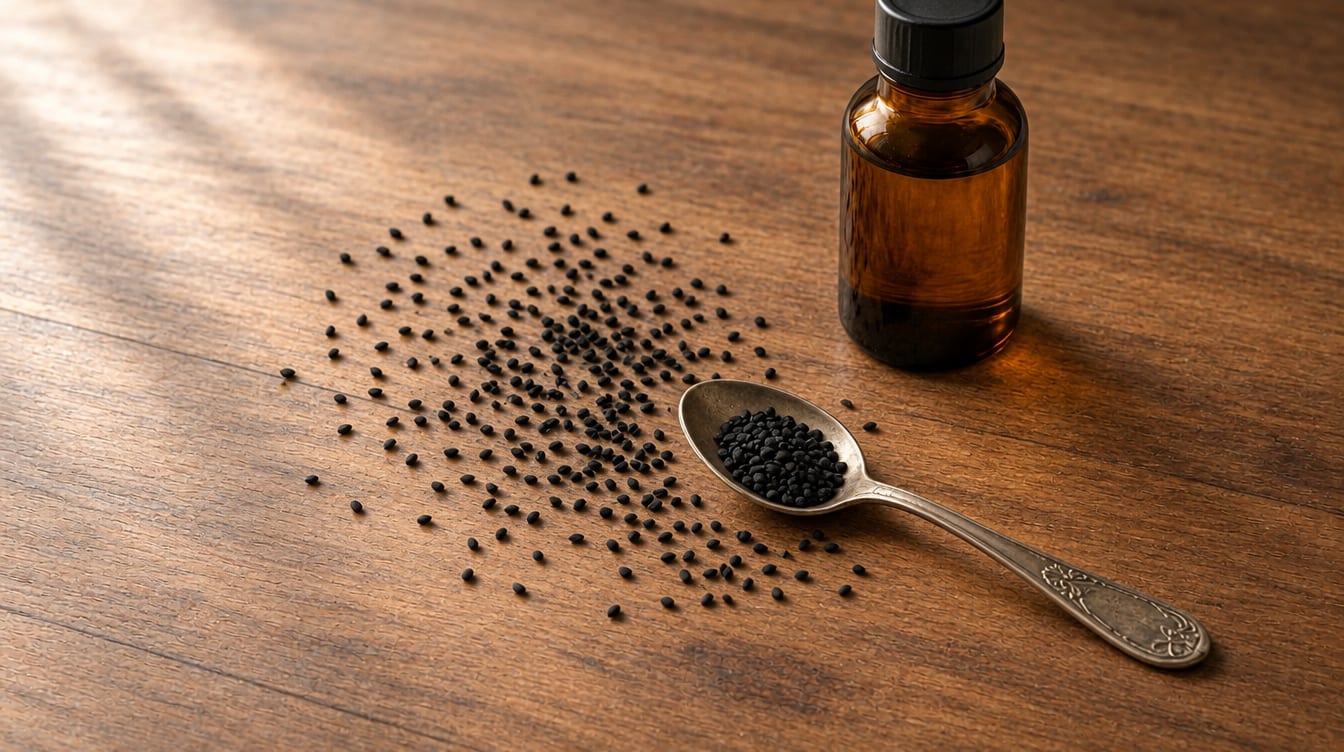
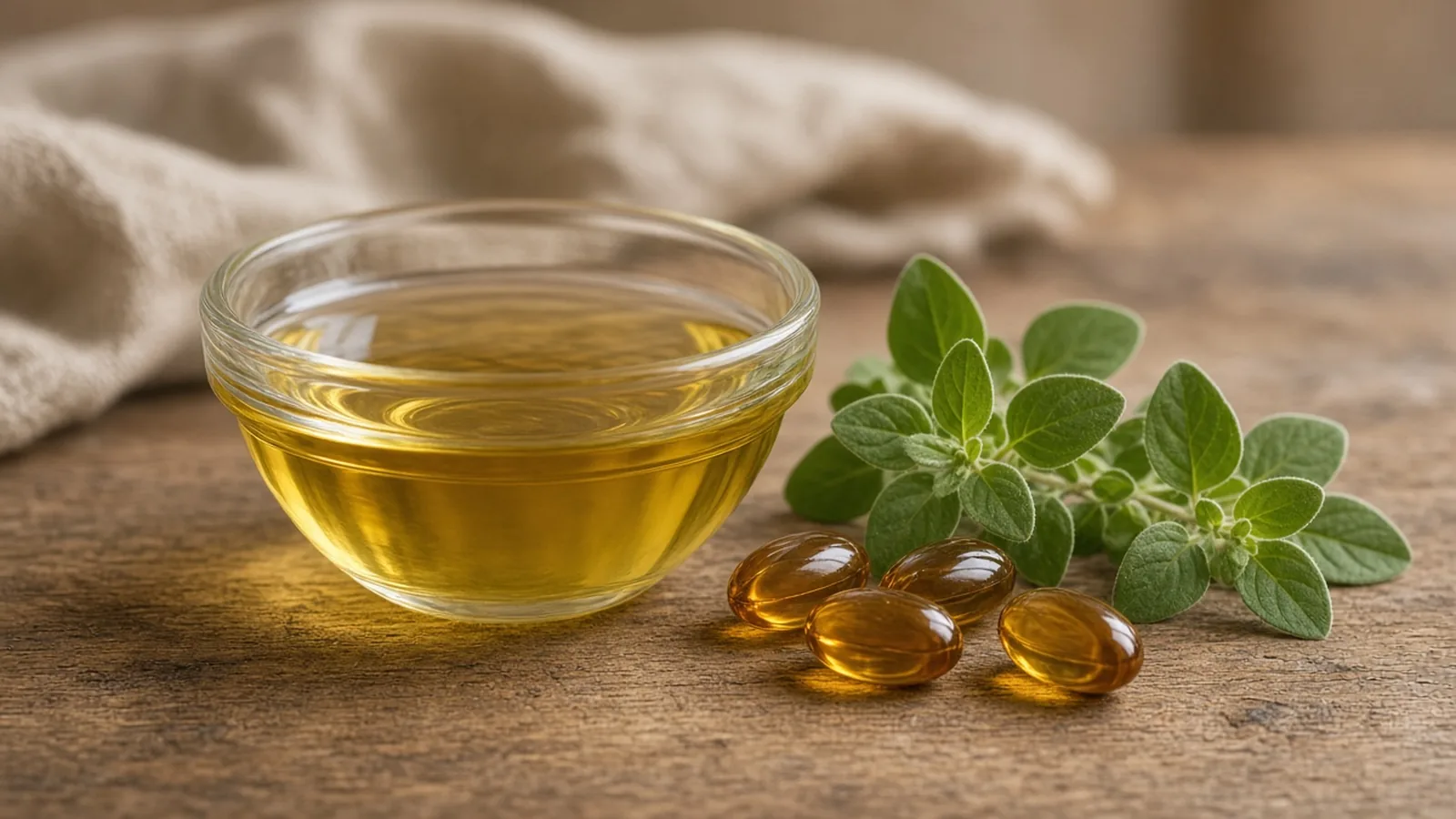
Black seed oil is oil pressed from Nigella sativa. Capsules are that oil, or sometimes powdered seed, in a shell. The label has to say which. “Black seed” milligrams can mean oil or powdered seed, and those are not the same dose.
The black seed oil page is the research review: meta-analyses of cholesterol, glucose, and blood-pressure markers, mostly at roughly 1 to 3 grams a day, with short trials and different products. This URL is the buying guide. The two pages are not the same article.
Gummies are a different product again. Unless the panel states milligrams of oil, a gummy cannot be lined up with those trials. No gummy brand is described on this page.
Thymoquinone
Thymoquinone is a compound in the oil that brands put on the front of the bottle. The research page already says percentages vary and that a stated percent is brand-stated unless a certificate of analysis posts the number. This page does not add a percent of its own.
If two bottles both say “black seed oil” and only one states a thymoquinone percent, you still cannot rank them on that percent until both lots are tested the same way. No percent is not proof of a weak oil. A high percent without a document is not proof of a strong one.
Oxidation and storage
Oils change with heat, light, and time. A spoilage rate for black seed oil on retail shelves is not cited here. What you can ask for is a packed-on or best-by date and a certificate for the lot. Dark glass and a cool cupboard are ordinary oil handling, not a clinical result.
Our verdict
The clearer label states oil milligrams well enough to see whether a serving is near a gram or far below it. Thymoquinone belongs on the label only with a way to check it. Trial results, side effects, and the October price table are on the research page. This guide does not name a best brand.
Sources
How we checked
Dose ranges and the 200 mg combo figure are from the black seed oil page, which cites an October 21, 2026 label check.
No oxidation statistic and no thymoquinone percentage were added. This page does not have a primary source for either number.
This guide uses those label notes. We do not use affiliate links.
Frequently Asked Questions
This guide does not name one. Read milligrams of oil per serving and whether a thymoquinone number is backed by a certificate. The research summary is on the black seed oil page.
They are the same oil if the capsule panel states oil milligrams. Powdered seed is not oil. Gummies need a stated oil amount before anyone can compare them with a trial.
A compound in the oil that brands advertise as a percent. Treat the percent as the brand’s claim unless a certificate of analysis reports it for the lot.
Stomach upset, bloating, and a bitter taste are the complaints listed on the research page, which also says the oil may add to glucose and blood-pressure medicines. See black seed oil side effects.
Related reading
Most read in Herbal
Explore
This is a label guide and an evidence review, not medical advice. Black seed oil is not a treatment. This page uses the research guide’s label notes, not a laboratory test we ran. We do not use affiliate links. Prices mentioned on the research page were checked October 21, 2026.