
Best Turmeric Supplements: Curcuminoids, Forms, Prices and the Liver Warning
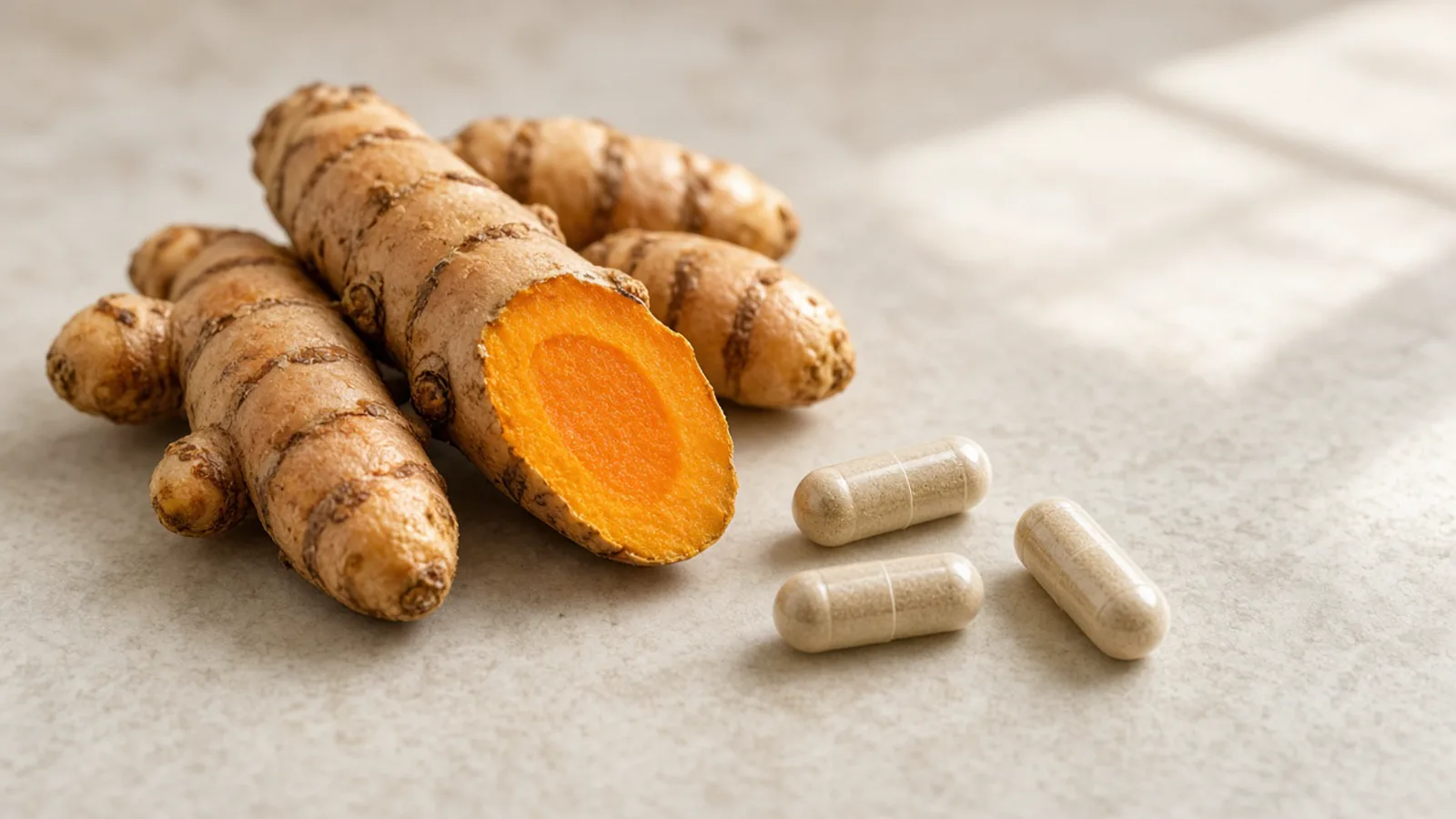
Most turmeric supplements are sold by milligrams of “turmeric.” What matters on the label is milligrams of curcuminoids, how the product is made to be absorbed, and the safety notes most listicles skip. This page does not name a brand.
Quick Summary
Read the curcuminoids, not the headline milligrams, and know the liver note before you pick a high-absorption form.
How to read a turmeric label
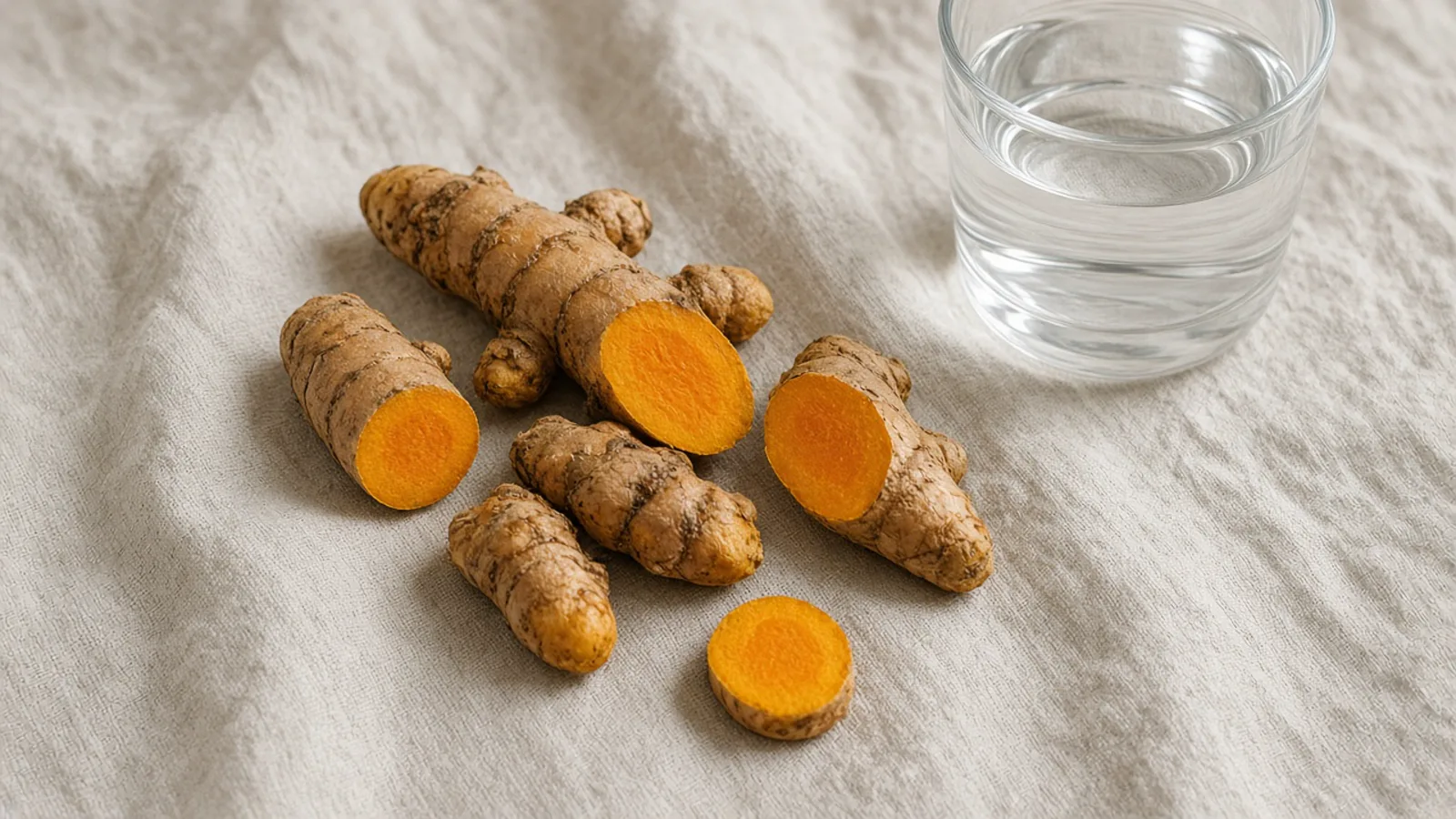
Turmeric is the root and the spice. Supplement extracts concentrate its curcuminoids, often to a stated percentage such as 95%.
Curcuminoids are the three main compounds: curcumin, demethoxycurcumin, and bisdemethoxycurcumin. A label that says “95% curcuminoids” on a 500 mg extract has 475 mg of curcuminoids. That is arithmetic, not a lab test of a bottle.
Absorption is why brands add pepper or change the form. Curcumin is poorly absorbed on its own. In a 1998 report, 20 mg of piperine raised curcumin’s bioavailability in people by 2,000% [10]. It was a very small study. A phospholipid form, Meriva, produced about 29-fold more total curcuminoids in blood than the unformulated mixture in a crossover study, and the blood levels stayed below those used in lab experiments [11]. Blood levels are not outcomes. No study on this page shows that a form works better for a human outcome.
Why we flag absorption: NCCIH says highly bioavailable formulations of curcumin may harm the liver [1]. Better absorption is not automatically better.
Forms, without a brand pick
We are not recommending a brand, and this draft does not print a price table. Named product columns are held until those picks are decided. What you can compare on any label, today, is the form.
| Feature | What the panel usually shows | How to read it |
|---|---|---|
| 95% extract, often with black pepper | A high milligram number of curcuminoids. Pepper may be listed as piperine or a pepper extract. | Most curcuminoids per capsule. Also the style NCCIH flags when absorption is pushed up. |
| Phytosome (curcumin plus a phospholipid) | Fewer curcuminoids per capsule, by design. The percentage is sometimes unstated. | Do not rank it against a 95% extract by milligrams alone. If the percentage is missing, you cannot do a per-100 mg price. |
| Cyclodextrin complex | A complex with a stated curcuminoid range, often well under a 95% extract. | Again, milligrams are not a fair cross-form comparison. |
No brand is named here. A testing mark such as USP Verified is a third-party standard. A sentence that only says “we test our products” is the brand’s own claim. Ask for a current certificate of analysis covering potency and lead.
What trials measured
These are trial results in the people who were studied, mostly people with knee pain scores. They are not a promise about a capsule, and they are not advice for a joint condition.
| Feature | What it is | What exists | Form |
|---|---|---|---|
| 1. Reviews of randomized trials | Several on knee-pain scores, 2018–2022. Quality low to moderate, and one review called the overall supplement evidence very low. | Mixed: plain extracts, piperine combinations, phytosomes, and other forms. | Short trials, often under 16 weeks. |
| 2. Individual randomized trials | Many short trials. | Often one commercial extract. | Check who made the product before leaning on one trial. |
| 3. Case series and small interaction studies | Liver-injury cases. One 10-day interaction study. | Not proof of how common an injury is. | Brand-specific products in the interaction study. |
| 4. Lab and animal | A very large literature. | Not used here for human claims. | Not applicable to a capsule. |
Wang 2021 [5]: 16 randomized trials of turmeric extracts, 1,810 adults, up to 16 weeks. Knee-pain scores were lower than placebo (standardized mean difference −0.82) and similar to NSAID comparators. Heterogeneity was high (I² 86%), risk of bias was moderate, and the authors note uncertainty because the studies were short and varied.
Feng 2022 [6]: 15 studies of curcuminoids alone, 1,670 patients. Pain scores on a visual analog scale were lower than placebo by 1.77 points on average, and adverse events were not more frequent than placebo. The authors cite low quality and substantial heterogeneity and recommend a “cautious and conservative” approach.
Hsiao 2021 [7]: 11 studies, 1,258 participants. No significant difference in pain or adverse events between 1,000 mg a day or more and lower doses.
Liu 2018 [8]: 69 trials of 20 osteoarthritis supplements. Curcuma longa extract and curcumin were among seven supplements with large short-term pain effects. The overall quality of evidence across the supplement set was very low, and no supplement had clinically important effects on pain at long-term follow-up.
Henrotin 2019 [9]: 150 people with knee osteoarthritis, 3 months, a branded “bio-optimized” Curcuma longa extract at two doses versus placebo. Pain fell by 29.5 mm and 36.5 mm versus 8 mm with placebo. A cartilage biomarker did not differ between groups. More product-related adverse events occurred in the high-dose group. One author affiliation is Tilman SA, and the trial registration names FLEXOFYTOL. It tested one commercial product.
Not shown: NCCIH, updated April 2025, says “we don’t know enough” to conclude that turmeric or curcumin is beneficial for any health purpose [1].
Black pepper (piperine): what it does and why we flag it
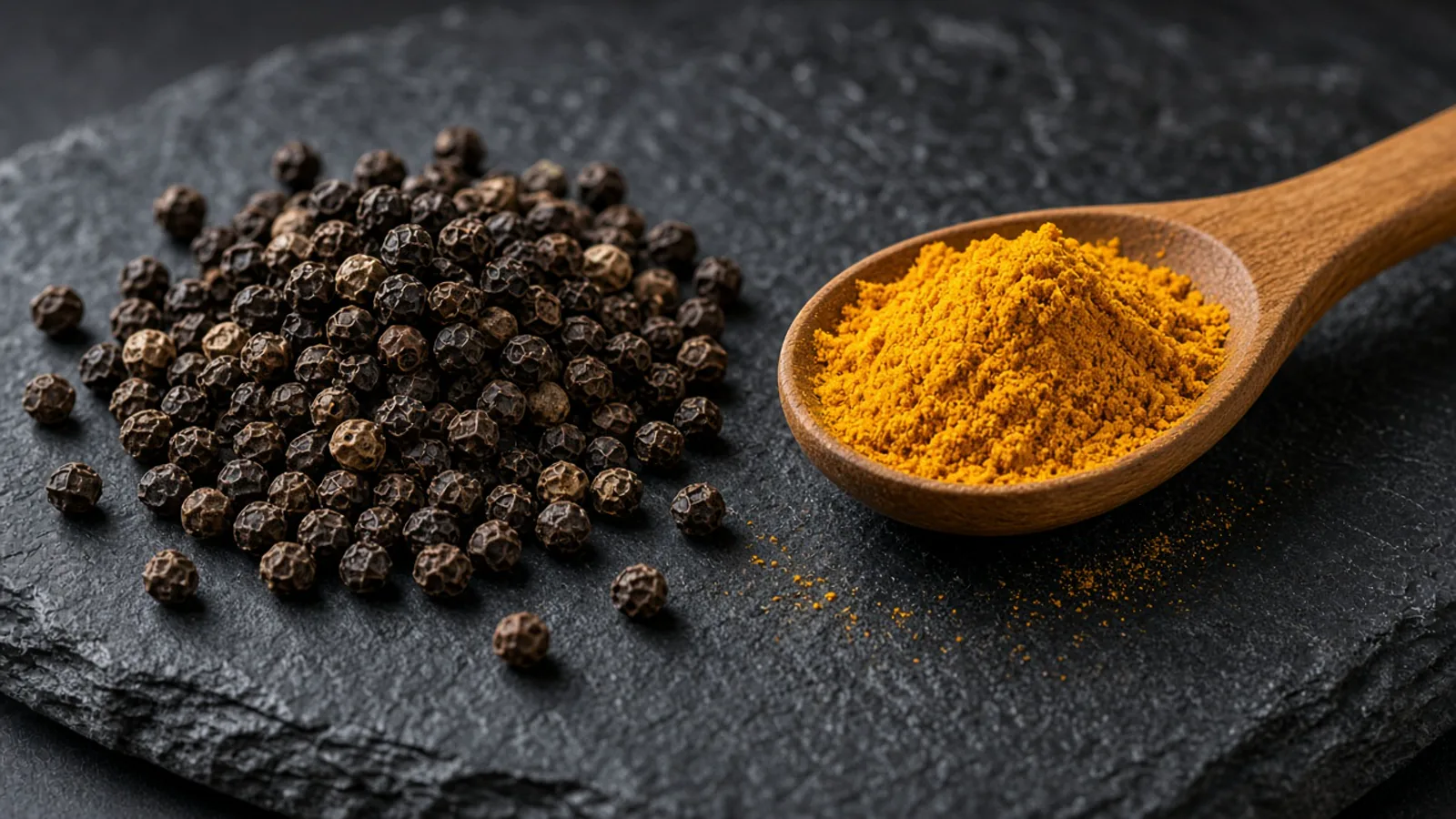
Piperine is the compound in black pepper that raised curcumin absorption in the 1998 human report [10]. It was also in some supplements linked to liver-injury reports. In the DILIN case series, chemical analysis confirmed turmeric in all 7 products tested, and 3 of those 7 also contained piperine [2]. That does not show pepper caused harm. It is on this page so you can see pepper on a label and decide with a clinician.
Turmeric supplement side effects and safety
Liver (rare)
NCCIH says conventionally formulated oral turmeric is likely safe for up to 2 or 3 months, and that highly bioavailable formulations may harm the liver. It says liver damage has been reported in some people who took those formulations. Stop and talk with a clinician if you notice fatigue, nausea, poor appetite, dark urine, or jaundice [1].
Halegoua-DeMarzio 2023, U.S. Drug-Induced Liver Injury Network [2]: 10 turmeric-associated cases enrolled 2004–2022, all since 2011. Eight of 10 were women. Median age 56. Five were hospitalized and one died of acute liver failure. Seven carried HLA-B*35:01 (allele frequency 0.450 versus 0.056–0.069 in population controls). The authors describe a latency of 1 to 4 months and say the rise may reflect usage patterns or more combination with black pepper. This is a case series. It shows an association. It does not say how common the injury is.
Likhitsup 2024 [3]: an NHANES analysis estimated about 15.6 million U.S. adults used at least one of six botanicals with reported liver liability in the past 30 days. Turmeric-containing products were the most commonly used of the six. It is an exposure survey, not an injury count.
USP 2026 review [4]: the expert committee’s recommended label caution, quoted from the paper: “Liver problems have been reported very rarely in people taking supplements containing turmeric and/or curcuminoids. Consult your health-care practitioner before using this product if you have a history of liver problems. Stop using this product if you develop symptoms such as abdominal pain, dark urine, or jaundice (yellowing of the skin or eyes), and seek medical advice.”
We could not open the NIH LiverTox turmeric page in a browser on October 28, 2026, so this guide does not quote an incidence figure or a “most common cause” line from that page.
Blood thinners, pregnancy, and other notes
Medicines. NCCIH does not name blood thinners specifically. It says to talk with your provider if you take any medicine [1]. A 10-day study of one phytosome product (Meriva) found no significant change in bleeding time or INR in people already on aspirin, clopidogrel, ticlopidine, warfarin, or dabigatran [12]. The abstract does not state the funder. It was short, it tested one product, and it does not show safety for other products or longer use. Ask your prescriber before combining.
Pregnancy. NCCIH says turmeric supplements may be unsafe in pregnancy, and that little is known about doses above food amounts while breastfeeding [1].
Product-related side effects. In the 150-person Henrotin trial, the number of product-related adverse events was higher in the high-dose group than in placebo [9]. The Feng 2022 meta-analysis found no increase in adverse events versus placebo overall [6].
Quality. Ask for a lot-specific certificate of analysis that tests lead. We are not making a contamination claim about any brand.
Who should skip it or ask first
Ask a clinician first
- ✓You take blood thinners or antiplatelet medicine.
- ✓You have liver disease, take other liver-affecting medicine, or have had unexplained abnormal liver tests.
- ✓You are pregnant or breastfeeding.
- ✓You have an upcoming surgery. Ask your surgeon about stopping herbal supplements.
Stop and call
- ×Dark urine, yellow skin or eyes, or abdominal pain after starting a turmeric supplement.
How to buy: a checklist
- Curcuminoid milligrams per serving, on the panel, not the front of the bottle.
- Form: plain extract, phytosome, or cyclodextrin complex.
- Pepper (piperine or a pepper extract): listed or not.
- Price per serving, not per bottle.
- A third-party mark or a certificate of analysis you can read, including lead.
- A label caution about the liver is a useful sign. It is not a reason to avoid the bottle.
- Stay at or below the label directions.
Questions
We are not recommending a brand. A 95% extract lists more curcuminoids per capsule than a phytosome or a cyclodextrin complex, and those other forms are made to be absorbed differently. Read curcuminoids per serving, the form, and the price per serving on the label in front of you.
In a small 1998 human report, 20 mg of piperine raised curcumin’s bioavailability by 2,000%. NCCIH notes that highly bioavailable formulations may harm the liver, and 3 of 7 tested products in a liver-injury case series also contained piperine. That does not show pepper caused the injuries.
Rarely, and it has been documented. NCCIH says liver damage has been reported in some people who took highly bioavailable formulations. In a U.S. case series, 10 people had turmeric-associated liver injury, 5 were hospitalized, and 1 died. Stop and seek advice if you have dark urine, yellow skin or eyes, or abdominal pain. We could not open NIH LiverTox in a browser, so this page does not quote an incidence rate from that page.
NCCIH does not say that it does. It says to talk with your provider if you take any medicine. A small 10-day study of one phytosome product found no change in bleeding time or INR. That study was short and does not show safety for other products. Ask your prescriber.
No trial we found tested timing. Follow the directions on the product you buy.
Trial doses varied widely. A 2021 review found no difference in knee-pain scores between 1,000 mg a day or more and lower doses. This is not a dose recommendation.
NCCIH says conventional oral turmeric, not a high-absorption formula, is likely safe for up to 2 or 3 months. We found no long-term safety trials for concentrated extracts.
NCCIH says turmeric supplements may be unsafe in pregnancy. Ask a clinician. Little is known about doses above food amounts while breastfeeding.
Our read
Turmeric supplements have a modest, short-term trial record, mostly on knee-pain scores, and reviewers rate that evidence low to moderate. They are not risk-free: liver injury is documented, and NCCIH specifically flags highly bioavailable forms. If you buy one, read curcuminoids per serving, pick a form you understand, ask for a certificate of analysis, and talk to a clinician if you take blood thinners or have liver concerns. We are not naming a best brand.
How we checked
On October 28, 2026 we read the NCCIH turmeric page (last updated April 2025), including the lines on highly bioavailable formulations, the 2-to-3-month safety statement, pregnancy, and “we don’t know enough.”
The same day we read the PubMed abstracts for the DILIN case series, the NHANES exposure survey, the USP caution, and the knee-pain reviews and trials cited above. Numbers on this page are the ones in those abstracts.
NIH LiverTox (NBK548561) did not load in a browser, so its incidence estimate is not quoted. Named brand columns, prices, and “best for” picks are held. A gallbladder caution without a source is not included.
Sources
- 1.NCCIH. Turmeric: Usefulness and Safety. Last updated April 2025.
- 2.Halegoua-DeMarzio et al. American Journal of Medicine. 2023;136(2):200–206. PMID 36252717. Ten DILIN cases.
- 3.Likhitsup et al. JAMA Network Open. 2024. PMID 39102266. NHANES exposure survey.
- 4.Akhtar et al. Pharmaceutical Biology. 2026. PMID 42364655. USP review.
- 5.Wang et al. Current Rheumatology Reports. 2021. PMID 33511486.
- 6.Feng et al. BMC Complementary Medicine and Therapies. 2022. PMID 36261810.
- 7.Hsiao et al. Complementary Therapies in Medicine. 2021. PMID 34537344.
- 8.Liu et al. British Journal of Sports Medicine. 2018. PMID 29018060.
- 9.Henrotin et al. Arthritis Research & Therapy. 2019. PMID 31351488.
- 10.Shoba et al. Planta Medica. 1998. PMID 9619120.
- 11.Cuomo et al. Journal of Natural Products. 2011. PMID 21413691.
- 12.Hu et al. European Review for Medical and Pharmacological Sciences. 2018. PMID 30070343.
Keep reading
These statements have not been evaluated by the Food and Drug Administration. This product is not intended to diagnose, treat, cure, or prevent any disease. Evident does not sell any of these products and uses no affiliate links.
Related reading
Most read in Herbal
Explore