Mouth Tape for Sensitive Skin: The Hypoallergenic Brands That Passed
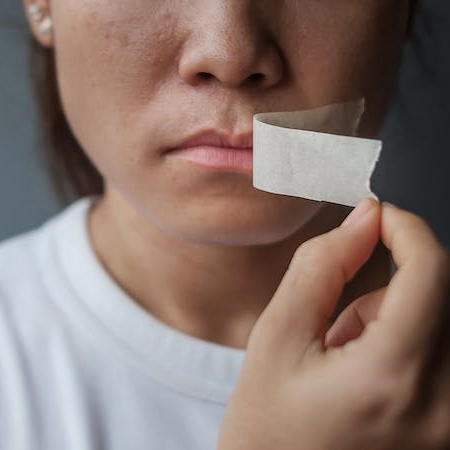
Mouth tape gave you a rash? Here’s why — and what actually works. You tried mouth taping for better sleep. You woke up with redness, rashes, and irritation around your lips. So you quit. But the tape was the problem — not the concept. Here’s what went wrong, and what to look for if your skin reacts.

Most Mouth Tapes Use Adhesives That Don’t Belong on Your Face.
The rash wasn’t a reaction to “mouth taping.” It was a reaction to cheap, undisclosed adhesive chemicals sitting on your skin for 8 hours. Sleep Karma reports ISO 10993-1 certification (brand-published; not an Evident lab test). Most brands do not publish that. 46 brands researched and scored, 7 recommended.



5 Things to Know About Mouth Tape & Sensitive Skin
You Tried Mouth Tape. Your Skin Hated It. Here’s Why.
You heard mouth taping could fix your snoring, dry mouth, or broken sleep. You ordered a pack off Amazon. Night one felt fine. By day three, your lips were ringed with redness. By the end of the week — rash, peeling, maybe even small blisters.
So you did what anyone would do: you threw the tape in the bin and told yourself mouth taping “isn’t for you.”
But here’s the thing — your skin didn’t react to mouth taping. It reacted to the adhesive. And the adhesive in most mouth tapes is genuinely terrible for facial skin.
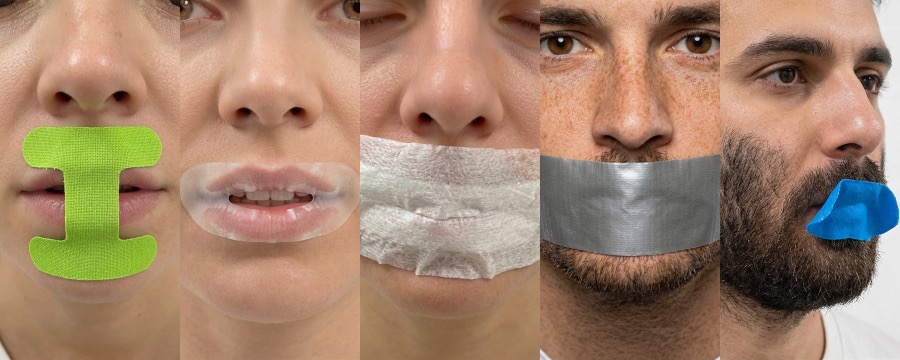
The skin around your lips is some of the thinnest, most sensitive skin on your body. It’s thinner than the skin on your arms, hands, or even your chest. When you press a harsh adhesive against it for 7–8 hours straight, the reaction isn’t surprising — it’s inevitable.
Contact dermatitis — redness, itching, and inflammation from adhesive chemicals
Perioral breakouts — trapped moisture and bacteria under non-breathable tape
Skin stripping — aggressive adhesive tears the top layer of skin on removal
Allergic sensitisation — repeated exposure to unlisted chemicals builds a worsening reaction over time
The problem isn’t mouth taping. The problem is that most mouth tapes aren’t designed for facial skin at all.
Most Brands Won’t Tell You What’s in Their Adhesive. That’s the Red Flag.
Pick up any skincare product and you’ll find a full ingredient list on the back. That’s the law. But mouth tape? No ingredient disclosure required. Most brands don’t list a single adhesive ingredient — and the ones that do often bury it in vague language like “medical-grade” without any certification to back it up.
Here’s what’s actually sitting on your skin in most cheap mouth tapes:
Acrylate-based adhesives — the most common cause of contact dermatitis from tapes and bandages
Rosin/colophony — a tree resin derivative and known skin sensitiser
Rubber-based compounds — latex and natural rubber that trigger allergic reactions
Undisclosed solvents and plasticisers — chemicals that keep adhesive pliable but irritate skin over time
You’d never put a mystery chemical on your face for 8 hours if it came in a skincare bottle. But wrapped around a mouth tape? People do it every night without thinking twice.
The benchmark to look for is ISO 10993. It’s the international standard for biocompatibility testing — the same standard used for surgical tapes, wound dressings, and medical devices that sit on skin for extended periods. If a mouth tape can’t show ISO 10993 certification, it hasn’t been tested for what it claims to do.
“I have eczema around my mouth and was terrified to try mouth tape. The first brand I tried — no ingredient list, bought on Amazon — left me red and flaking for a week. I almost gave up entirely. Glad I didn’t.”
What Safe Mouth Tape Actually Looks Like. A Checklist.
If you have sensitive, reactive, or easily irritated skin — or if you’ve already been burned by a bad tape — here’s exactly what to look for before you try again.
- ISO 10993 certified adhesive (biocompatibility tested)
- Full ingredient disclosure on packaging
- Latex-free, silicone or hydrocolloid-based adhesive
- Breathable, porous material with emergency airflow
- Clean removal — no residue, no skin pulling
- No adhesive ingredient list
- “Medical-grade” claim with no ISO certification
- Contains latex, rosin, or acrylate compounds
- Non-porous material that traps moisture
- Leaves sticky residue or rips skin on removal
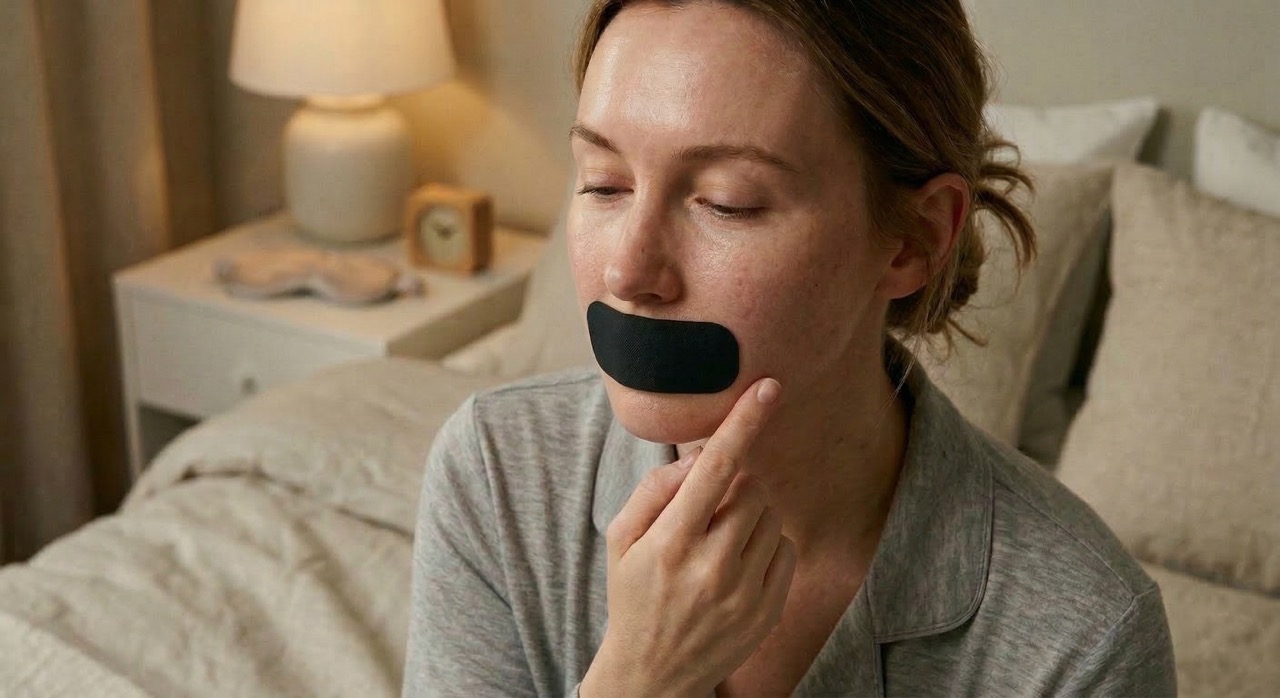
One more thing: shape matters for sensitive skin. Small X-shaped strips or narrow bands concentrate adhesive force on a tiny area. Full-coverage designs spread the hold across a wider surface — less pressure per square centimetre, less irritation, and a better seal.
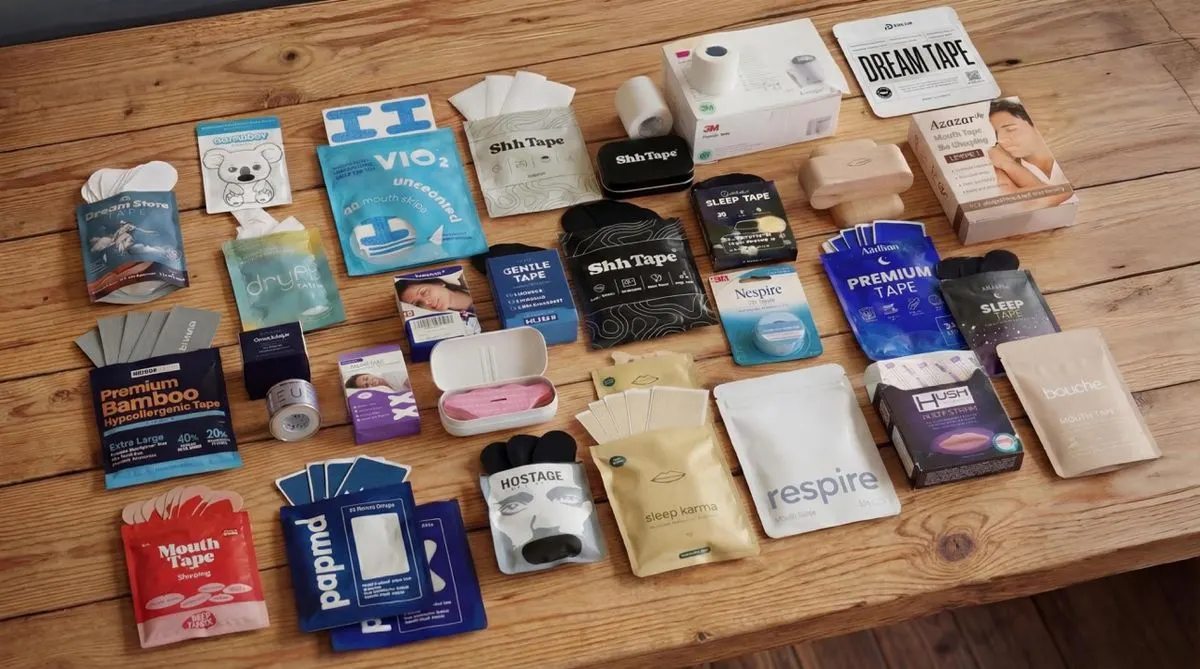
We scored 46 mouth tape brands on skin safety, adhesive ingredients, and comfort.
See which tapes are actually safe for nightly use — and which ones aren’t.
It’s Worth Getting Right. Here’s What Mouth Taping Actually Does.
You gave up on mouth tape because of a bad experience. Fair enough. But the benefits you were chasing? They’re real — and backed by a growing body of clinical research.
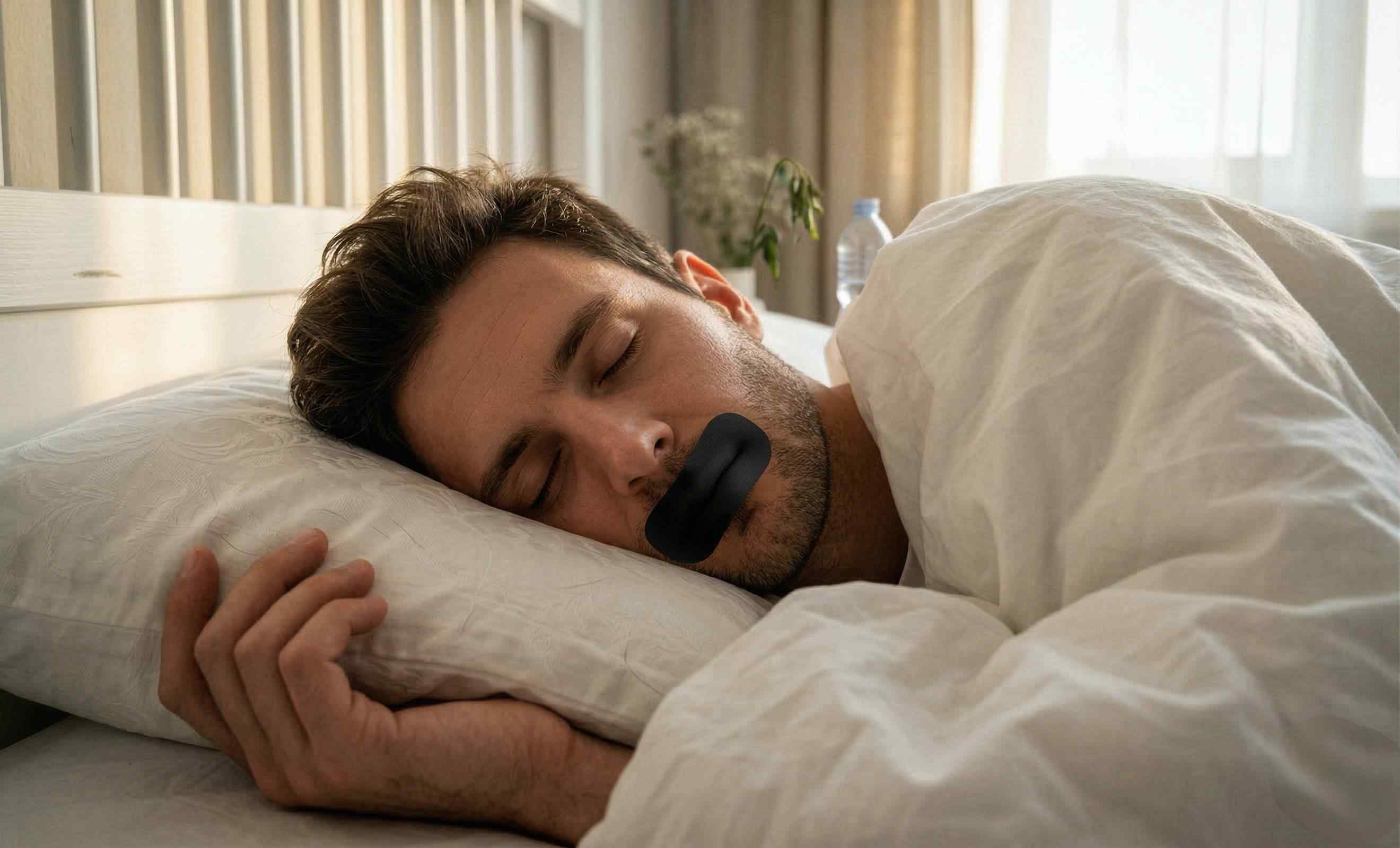
Keeping your mouth closed during sleep does three things:
Forces nasal breathing — filters, warms, and humidifies air before it reaches your lungs. Reduces dry mouth, sore throat, and morning congestion.
Activates the parasympathetic nervous system — nasal breathing shifts your body from “fight or flight” to “rest and digest.” Deeper, less disrupted sleep.
Snoring and teeth grinding — some people tape hoping to snore less or grind less. That is not a treatment claim, and it is not established on this page.
The science on nasal breathing during sleep is clear. Research from Stanford, Harvard, and the Journal of Clinical Sleep Medicine all point in the same direction: closed-mouth, nasal breathing during sleep produces measurably better outcomes — less snoring, fewer apnoea events, deeper sleep stages, and reduced morning symptoms.
The only question is whether you can find a tape that delivers these benefits without destroying your skin in the process.
“I have rosacea and genuinely thought mouth taping wasn’t an option for me. Tried two different tapes — both left me red and sore. Then I found one with actual ISO certification and silicone-based adhesive. Three months in, zero irritation. My sleep has completely changed.”
46 Brands Researched. 7 Recommended.
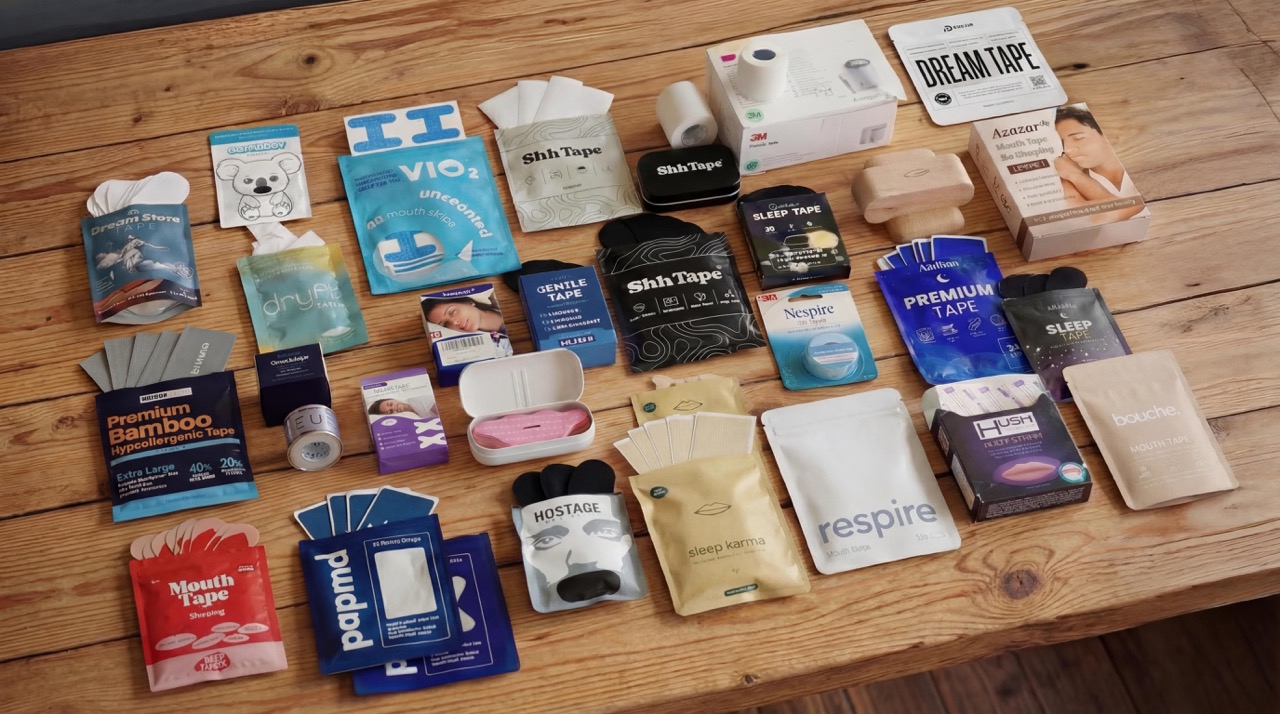
46 brands researched and scored, 7 recommended. We scored adhesive safety, skin compatibility, breathability, hold strength, comfort, residue, and value. Sleep Karma reports ISO 10993-1 certification (brand-published; not an Evident lab test).
Most failed. Weak adhesives that peeled off by midnight. Tiny strips that didn’t seal properly. Brands that wouldn’t disclose a single adhesive ingredient. Tapes that left sticky residue and caused breakouts after just a few nights. Only a handful passed our skin safety standards.
Here’s how the top 3 scored:
| Brand | Skin Safety | Hold Strength | Overall |
|---|---|---|---|
| 🥇 Sleep Karma | ★★★★★ | ★★★★★ | 8.9 |
| 🥈 VIO2 | ★★★★★ | ★★★★★ | 7.8 |
| 🥉 MyoTape | ★★★★☆ | ★★★★★ | 7.5 |
Full rankings, methodology, and scores for all 46 brands →
See which tapes are safe for sensitive skin.
Skin safety. Ingredient transparency. Hold strength. Breathability. All scored, all ranked.
Frequently Asked Questions
Frequently Asked Questions
Yes — but only with tapes that use ISO 10993 certified, biocompatibility-tested adhesives. Avoid anything with acrylates, latex, or rosin. Silicone-based and hydrocolloid-based adhesives are generally the safest options for reactive skin. Start with a patch test on your inner wrist before wearing overnight.
Most likely contact dermatitis from the adhesive. The skin around your lips is extremely thin and sensitive. Cheap adhesives containing acrylates, rosin, or rubber compounds are known skin irritants — especially over 7–8 hours of continuous contact. It’s the adhesive, not the concept of mouth taping, that caused the reaction.
ISO 10993 is the international standard for evaluating the biocompatibility of medical devices. It covers whether a material causes skin irritation, sensitisation, or cytotoxicity (cell damage) when in contact with the body. A brand that publishes an ISO 10993 claim is saying the material was evaluated under that standard. Ask to see the materials. That is not the same as an Evident-commissioned lab test, and it is not proof the tape is safe for every person.
If you have sensitive or reactive skin, yes. Apply a small piece of the tape to the inside of your wrist or jawline for 8–12 hours. If there’s no redness, itching, or irritation, it’s reasonable to try it on your lips. A brand-published certification is not a reason to skip that check if you have reacted before.
A tape can be worn nightly when it allows emergency mouth breathing, removes cleanly, and the adhesive is meant for long contact. Sleep Karma reports ISO 10993-1 certification (brand-published; not an Evident lab test). That is not a treatment claim, and it is not proof every person will tolerate the tape.