
EnergyEnergy
Mold-Free Coffee: What the Evidence Says
✓ Updated October 15, 2026
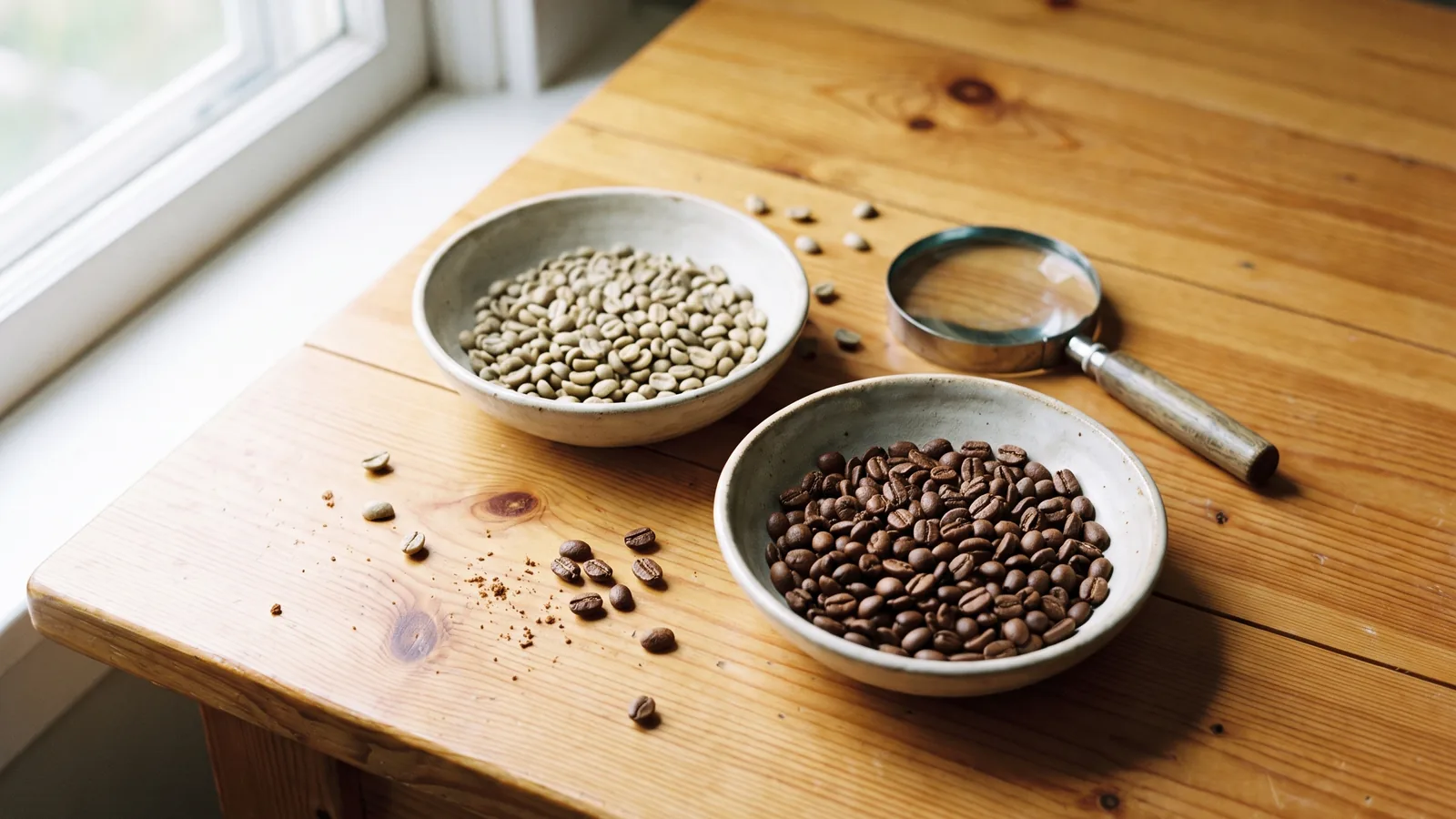
The mycotoxin that comes up most in coffee is ochratoxin A (OTA), which can form when beans are dried or stored poorly.
The facts
- Regulated: the EU caps OTA at 3 µg/kg for roasted and ground coffee and 5 µg/kg for soluble (instant) coffee (EU Regulation 2022/1370).
- Roasting helps, unreliably: reported reductions range widely, from 0% to 97% across studies. One study reported an average reduction of about 66.5% (PubMed; review).
- Prevention matters most: fast drying, low moisture, clean storage, and removing damaged beans (review).
Which brands say they test?
| Brand | Testing claim | Results public? |
|---|---|---|
| Purity Coffee | Every green lot tested by an ISO 17025 lab for mycotoxins | Says it publishes results (Purity) |
| Bulletproof | Tests every green shipment for mold toxins and heavy metals | Product-specific results not public (Bulletproof) |
| Lifeboost | Third-party tests for mycotoxins, heavy metals, pesticides | Results not linked on the page we reviewed (Lifeboost) |
"Mold-free" is a marketing term with no regulatory definition. Published, batch-specific results mean more than the label.
We've purchased coffees for Evident testing and will update this page.