Teeth Grinding Is Destroying Your Teeth in Your Sleep. There’s A Simple Fix.
Sore jaw. Morning headaches. Teeth slowly cracking apart. Your dentist hands you a night guard and says “you’re grinding.” But nobody tells you <em>why</em> it’s happening — or that there’s a way to actually stop it.

Your Mouth Opens at Night. Your Jaw Shifts. The Grinding Starts.
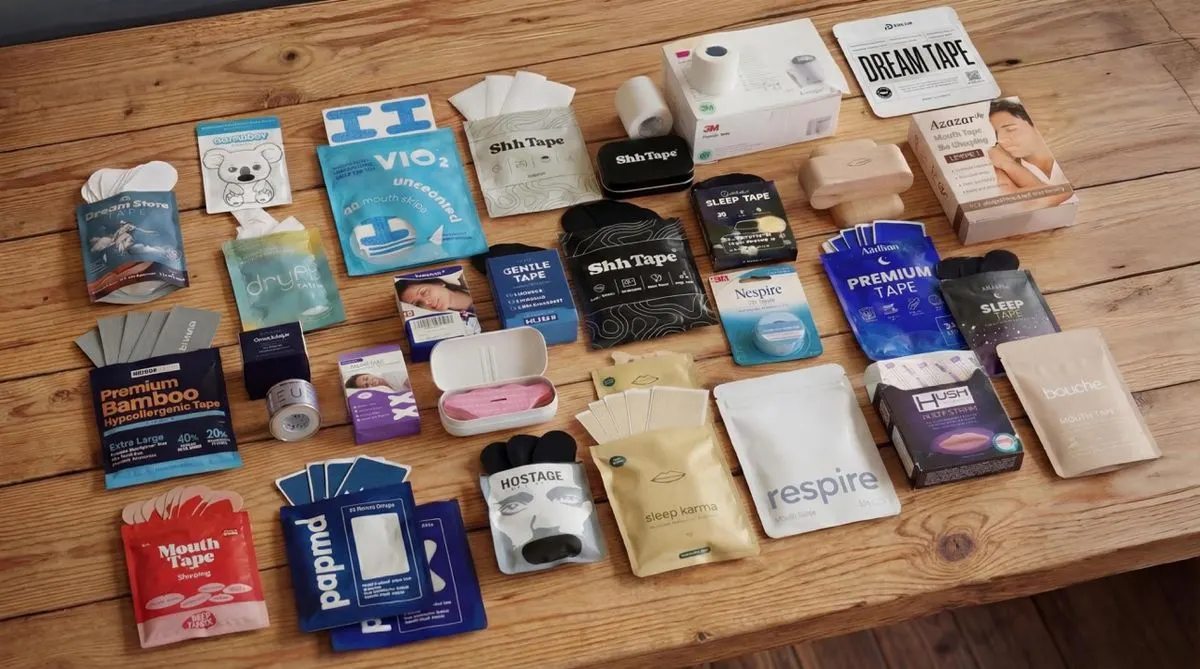
Night guards protect the teeth — but the grinding never stops. New research points to a simpler fix: keep your mouth closed while you sleep. 46 brands researched and scored, 7 recommended, on safety, comfort, and hold strength.




6 Key Things to Understand About Teeth Grinding
You’re Grinding Your Teeth Every Night and Have No Idea
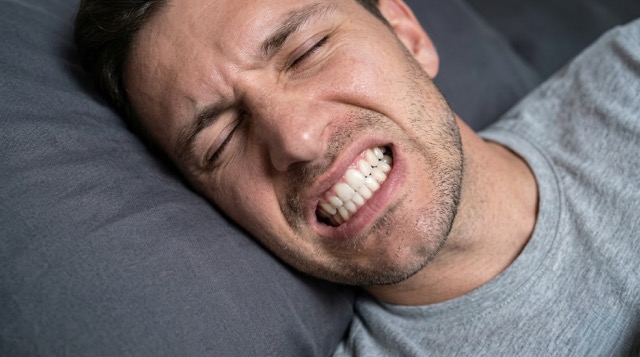
One in three adults grind their teeth at night. Most have no idea they’re doing it. You can’t hear yourself grind. You don’t wake up from it. You just feel the damage the next morning — and blame it on a bad pillow, stress, or getting older.
The signs are everywhere once you know what to look for:
Jaw pain or soreness — especially first thing in the morning
Flat, chipped, or worn-down teeth — your dentist notices before you do
Morning headaches — tension across temples and behind the eyes
Tooth sensitivity — enamel is literally being ground away
Ear pain or ringing — the jaw joint sits millimetres from your ear canal
Disrupted sleep — your partner hears the grinding even if you don’t
Here’s the part your dentist won’t sugarcoat: this is doing permanent damage while you sleep. Enamel doesn’t grow back. Once it’s ground away, it’s gone. What follows is crowns, veneers, root canals, TMJ treatment — thousands of dollars in dental work from something you didn’t even know was happening.
Night Guards Protect Your Teeth. They Don’t Stop the Grinding.
Your dentist’s first move is always a night guard. Makes sense — it’s a physical barrier between your upper and lower teeth. But here’s what nobody mentions: a night guard doesn’t reduce grinding at all. It just absorbs the damage so your enamel doesn’t.
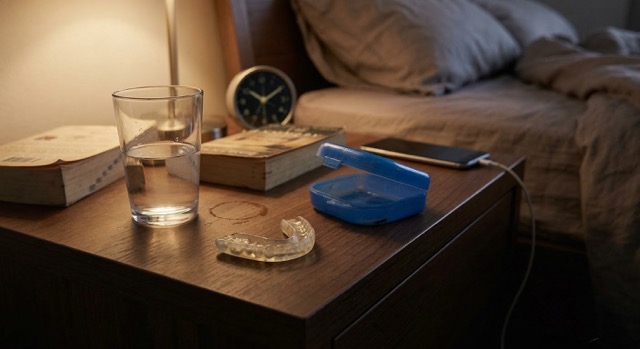
You’re still clenching. Still generating 250 lbs of force on your jaw joint every night. Still waking up with headaches and a jaw that feels like it ran a marathon. The guard protects the enamel — but the grinding itself? Completely untouched.
Night guards also come with their own issues:
Expensive — custom guards cost $300–$800 from a dentist
Uncomfortable — many people rip them out in their sleep
Bacteria magnet — harbour bacteria if not cleaned meticulously every day
Wear out — need replacing every 1–3 years, at full cost
So the real question isn’t how do I protect my teeth from grinding? It’s how do I stop grinding in the first place?
It’s Not Stress. It’s Your Jaw Position.
Everyone assumes teeth grinding is caused by stress. And stress can play a role. But the latest research points to something far more mechanical: when your mouth opens during sleep, your jaw shifts out of its resting position — and grinding is the result.
The sequence is simple. You fall asleep. Your mouth opens. Your lower jaw drops back and down, changing the alignment between your upper and lower teeth. Your brain detects the misalignment and fires up the jaw muscles — rhythmic clenching, side-to-side grinding — desperately searching for a stable bite position that no longer exists.
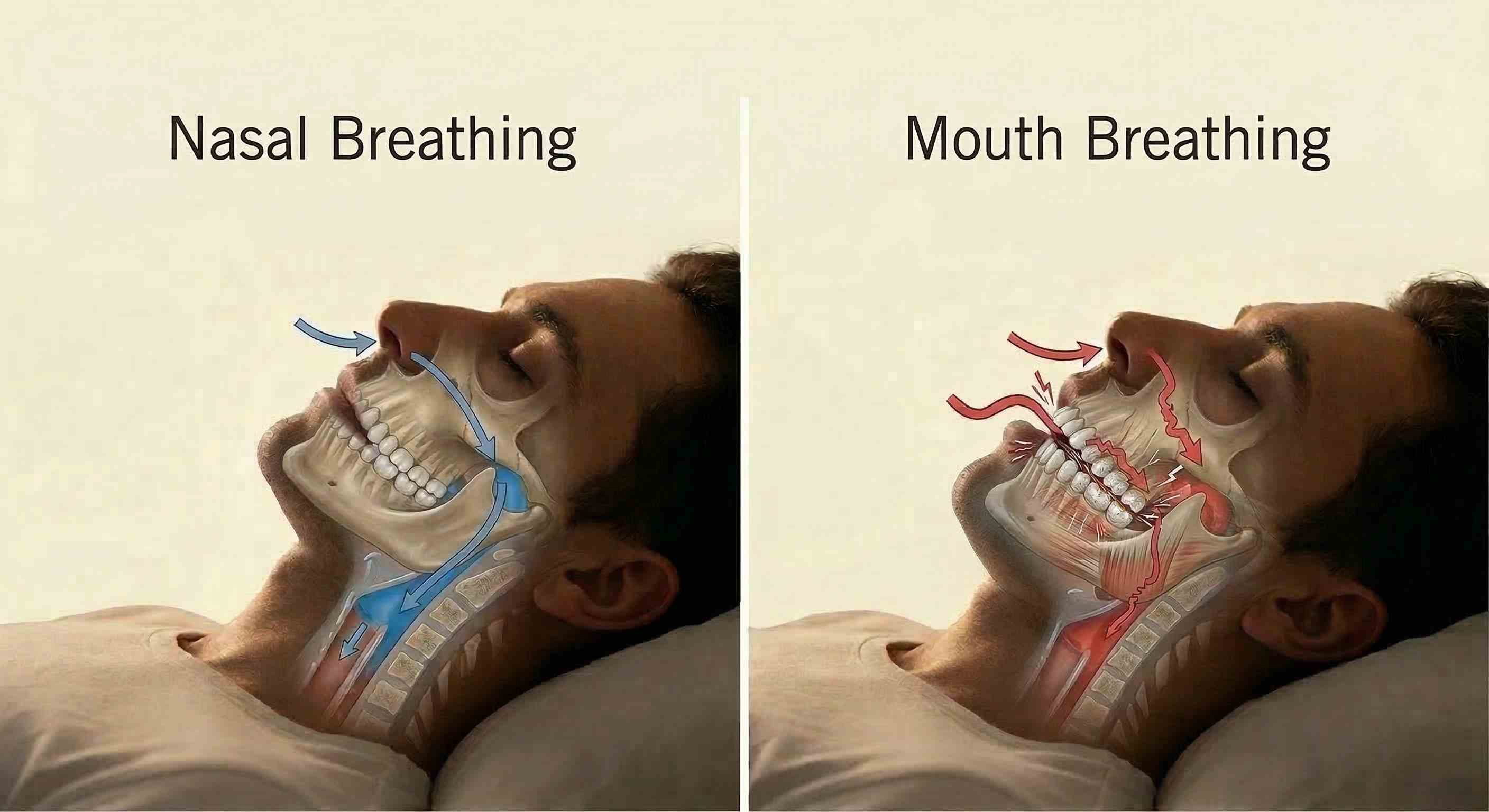
This is why bruxism is strongly linked to mouth breathing and sleep-disordered breathing. Research published in the Journal of Oral Rehabilitation found that patients who breathe through their mouths during sleep are significantly more likely to grind their teeth. The open-mouth position itself is the trigger.
Notice: you never grind your teeth during the day when your mouth is closed. It only happens at night — when your jaw is free to drop open and lose alignment.
46 brands researched and scored, 7 recommended. Here’s what we found.
We scored every tape on adhesive safety, comfort, breathability, and hold strength.
Close the Mouth, Stop the Grind. The Research Is Clear.
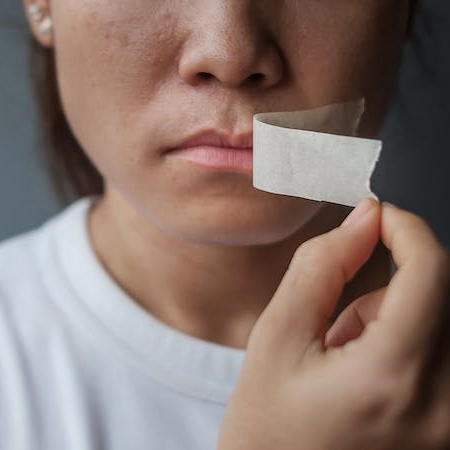
If an open mouth is what triggers the grinding, the fix writes itself: keep the mouth closed.
Lips closed can keep the jaw from dropping as far. That is a position observation. It is not proof that taping stops teeth grinding.
Mouth tape is not a treatment for bruxism. A night guard and a dental exam are still the clinical path. This page does not claim a neurological effect on grinding.
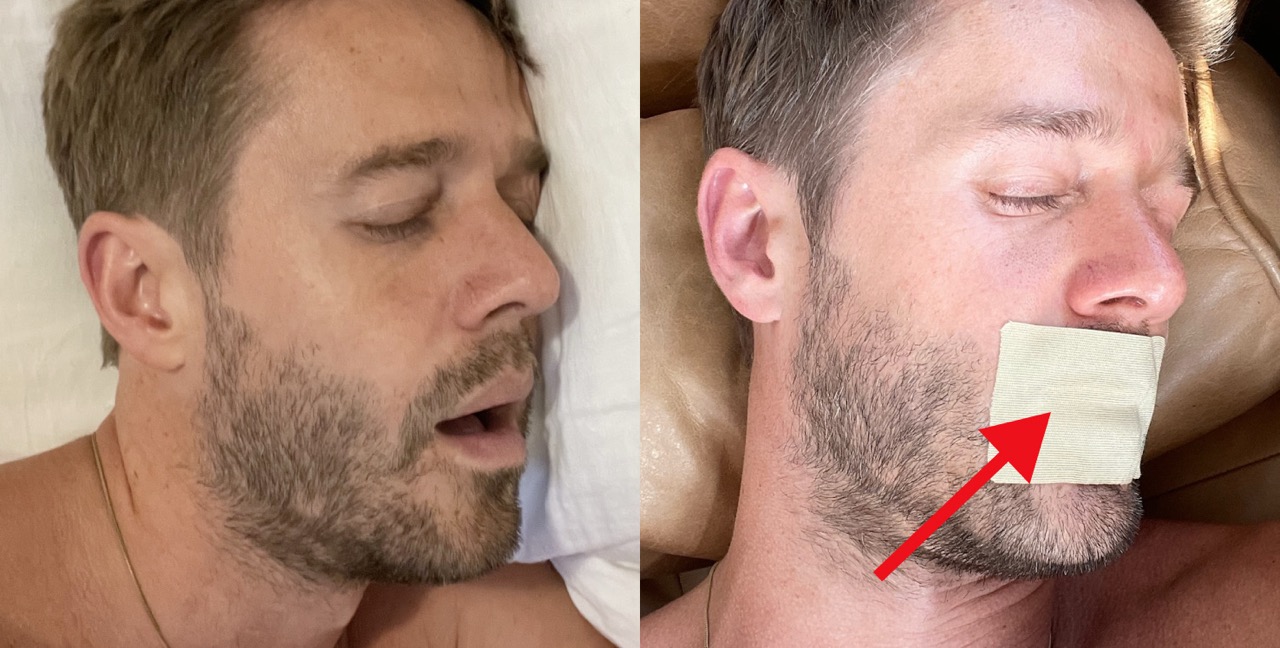
How Mouth Taping Stops Grinding
Lips sealed — jaw stays in its natural resting position
Teeth maintain proper alignment — no misalignment for the brain to correct
Nasal breathing activates parasympathetic nervous system — reduces clenching reflex
Deeper, less disrupted sleep — the stress-grinding cycle breaks
The research backs this up clearly — mouth breathing is strongly linked to bruxism, and nasal breathing to fewer grinding episodes. The fix is almost absurdly simple: a porous tape over your lips that keeps your mouth closed while you sleep.
“My dentist told me I’d need a crown within a year if the grinding didn’t stop. I started mouth taping three months ago. At my last check-up, he said there was zero new wear. I still can’t believe something this simple actually worked.”
Most Mouth Tapes Aren’t Safe for Nightly Use. Here’s What to Look For.
Mouth taping works — but not all tapes are the same. You’re wearing this on your face 7–8 hours a night, 365 nights a year. That’s 3,000+ hours of skin contact annually. What you stick on your lips matters more than you’d think.
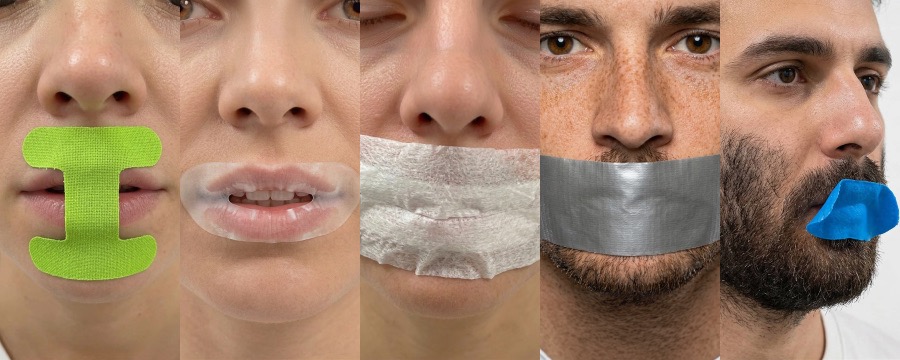
Most people grab whatever’s cheapest on Amazon. The problems show up within a week:
Weak adhesives — peel off by midnight, defeating the purpose
Undisclosed ingredients — most brands won’t tell you what’s in their adhesive
Skin irritation — redness, rashes, breakouts around the mouth
Non-breathable material — no emergency airflow path if you get congested
What to actually look for in a mouth tape.
- Medical-grade, ISO-10993 certified adhesive
- Full lip coverage for a complete seal
- Breathable material with emergency airflow
- Clean removal — no residue or skin pulling
- Transparent ingredient disclosure
- Weak adhesives that peel off overnight
- Small X-shapes or strips that don’t fully seal
- Undisclosed adhesive ingredients
- Tapes that leave residue or irritate skin
- Non-porous materials with no airflow
“I tried three different mouth tapes before finding one that actually stayed on all night without irritating my skin. The cheap Amazon ones either fell off or gave me a rash. It’s worth spending a little more on something medical-grade when you’re wearing it 8 hours a night.”
46 Brands Researched. 7 Recommended.
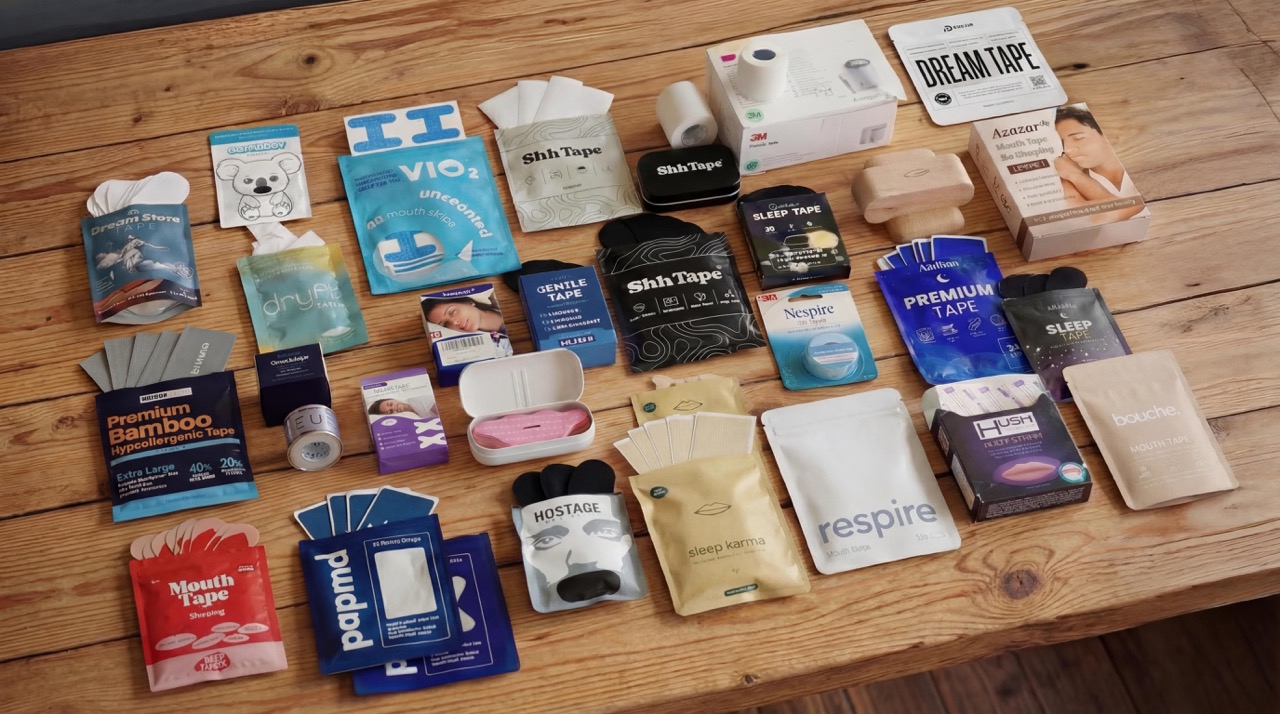
46 brands researched and scored, 7 recommended. We scored adhesive hold strength, skin safety, breathability, comfort, residue, and value. Most did not make the recommended set.
Weak adhesives that peeled off by midnight. Tiny strips that didn’t fully seal the lips. Brands that wouldn’t disclose their adhesive ingredients. Tapes that left sticky residue and caused breakouts. Only a handful held up — and even fewer were tapes we’d trust for nightly use on sensitive facial skin.
Here’s how the top 3 scored:
| Brand | Hold Strength | Skin Safety | Overall |
|---|---|---|---|
| 🥇 Sleep Karma | ★★★★★ | ★★★★★ | 8.9 |
| 🥈 VIO2 | ★★★★★ | ★★★★★ | 7.8 |
| 🥉 MyoTape | ★★★★★ | ★★★★☆ | 7.5 |
Full rankings, methodology, and scores for all 46 brands →
See how every tape scored.
Adhesive hold strength. Skin safety. Breathability. Comfort. All scored, all ranked.
Frequently Asked Questions
Frequently Asked Questions
Keeping the mouth closed can change jaw position for some people. This page does not establish that mouth tape reduces grinding. Mouth tape is not a treatment for bruxism. Talk with a dentist before changing a night guard.
Purpose-made mouth tapes use porous, breathable material that allows emergency airflow. They’re designed to be easily removable — you can open your mouth or peel the tape off at any time. Look for ISO-10993 certified tapes with medical-grade adhesive.
You can use both together while transitioning. Many people find that after a few weeks of mouth taping, they no longer need the night guard because the grinding has significantly reduced. Talk to your dentist about your specific situation.
If you have chronic nasal congestion, address that first. Nasal strips, saline rinses, or a conversation with your doctor about underlying causes can help. Mouth taping works best when you can comfortably breathe through your nose. Don’t tape your mouth if you have significant nasal obstruction.
Most people notice reduced jaw pain and headaches within the first week. Your dentist may confirm reduced tooth wear at your next check-up. Long-term enamel protection builds over time as grinding episodes decrease.