Why Mouth Taping Has Gone Mainstream
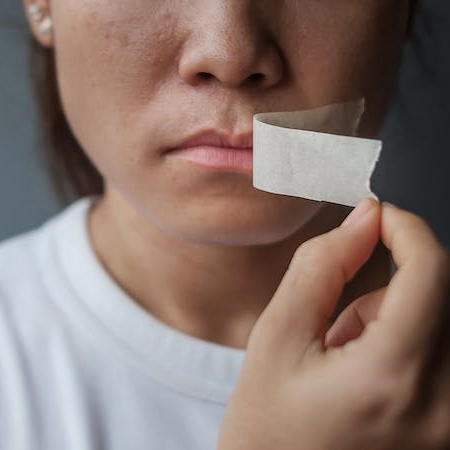
Mouth taping — the practice of gently securing your lips closed during sleep to promote nasal breathing — has surged from biohacking niche to mainstream wellness practice. Social media is full of dramatic before-and-after claims, but what does the evidence actually support?
Here are seven benefits of mouth taping backed by research on nasal breathing, sleep quality, and oral health. We'll distinguish between well-established benefits and emerging evidence that needs more study.
1. Promotes Nasal Breathing During Sleep
This is the foundational benefit — everything else flows from it. Many people unconsciously breathe through their mouth during sleep, even if they breathe nasally during the day. Mouth taping provides a gentle physical reminder to keep the mouth closed, routing airflow through the nose.
Nasal breathing is physiologically superior to mouth breathing for several well-documented reasons: the nose filters, warms, and humidifies air, and nasal resistance helps maintain optimal airway pressure.
2. May Reduce Mouth-Breathing Snoring
Mouth-breathing-related snoring occurs when air passes over the relaxed tissues of the mouth and throat, causing vibration. By keeping the mouth closed, mouth taping redirects airflow through the nose, which typically produces less turbulence and vibration.
A 2015 study in the journal Otolaryngology found that nasal breathing during sleep significantly reduced snoring frequency and intensity in non-apneic snorers. Mouth taping is one of the simplest interventions for people whose snoring is primarily caused by mouth breathing (as opposed to nasal obstruction or obstructive sleep apnea).
3. Reduces Dry Mouth and Morning Breath
Mouth breathing during sleep dries out the oral cavity, reducing saliva flow. Saliva is your mouth's natural defense system — it neutralizes acids, washes away food particles, and inhibits bacterial growth. When saliva production drops overnight due to mouth breathing, bacteria proliferate, causing morning breath and increasing cavity risk.
By keeping the mouth closed, mouth taping helps maintain normal saliva levels throughout the night. Many users report noticeably less morning breath and reduced dry mouth symptoms within the first few nights of use.
4. May Improve Sleep Quality
Nasal breathing is associated with greater activation of the parasympathetic nervous system (the "rest and digest" branch) compared to mouth breathing. This calming effect may help deepen sleep and reduce nighttime arousals.
While large-scale clinical trials specifically on mouth taping and sleep quality are still limited, the underlying physiology is well-established: nasal breathing promotes slower, more rhythmic breathing patterns that are associated with deeper stages of sleep. Anecdotally, many users report feeling more rested after transitioning to nasal breathing during sleep.
5. Supports Oral Health
Chronic mouth breathing is a recognized risk factor for dental problems. The American Dental Association has noted that mouth breathing contributes to dry mouth, which increases the risk of cavities, gum disease, and enamel erosion. Children who mouth-breathe are at higher risk for malocclusion (misaligned teeth) and facial development changes.
Mouth taping addresses the root cause by maintaining oral moisture levels. Several dentists and orthodontists have begun recommending mouth taping as a complementary practice for patients with chronic dry mouth or recurrent cavities linked to mouth breathing.
6. Keeps Airflow Through the Nose
The paranasal sinuses produce nitric oxide (NO), and nasal breathing carries it into the airways. Researchers are still studying what that means during sleep.
Mouth breathing bypasses the sinuses. Small studies have looked at nasal nitric oxide and oxygenation, but they do not show that mouth tape improves oxygen levels, so we do not count this as a proven benefit of mouth tape.
7. May Complement CPAP Therapy
For sleep apnea patients using CPAP machines, mouth leaks are a common problem that reduces therapy effectiveness. Some sleep specialists recommend mouth taping (or chin straps) as an adjunct to CPAP to prevent air leakage through the mouth, which can cause dry mouth, reduced pressure delivery, and therapy abandonment.
Important caveat: Mouth taping should only be used alongside CPAP under the guidance of a sleep specialist. It is NOT a replacement for CPAP or other prescribed sleep apnea treatments.
What the Evidence Doesn't Support (Yet)
Some claims about mouth taping lack strong clinical evidence:
- Jaw reshaping or facial structure changes in adults — facial bone remodeling from breathing patterns is primarily relevant during childhood development
- Curing sleep apnea — mouth taping may help mild cases or complement treatment, but it's not a standalone treatment for moderate-to-severe OSA
- Dramatic athletic performance gains — while nasal breathing has physiological advantages, the performance improvements from overnight mouth taping alone are modest
- Weight loss — no evidence that mouth taping directly affects metabolism or body composition
How to Start
If you're interested in trying mouth taping:
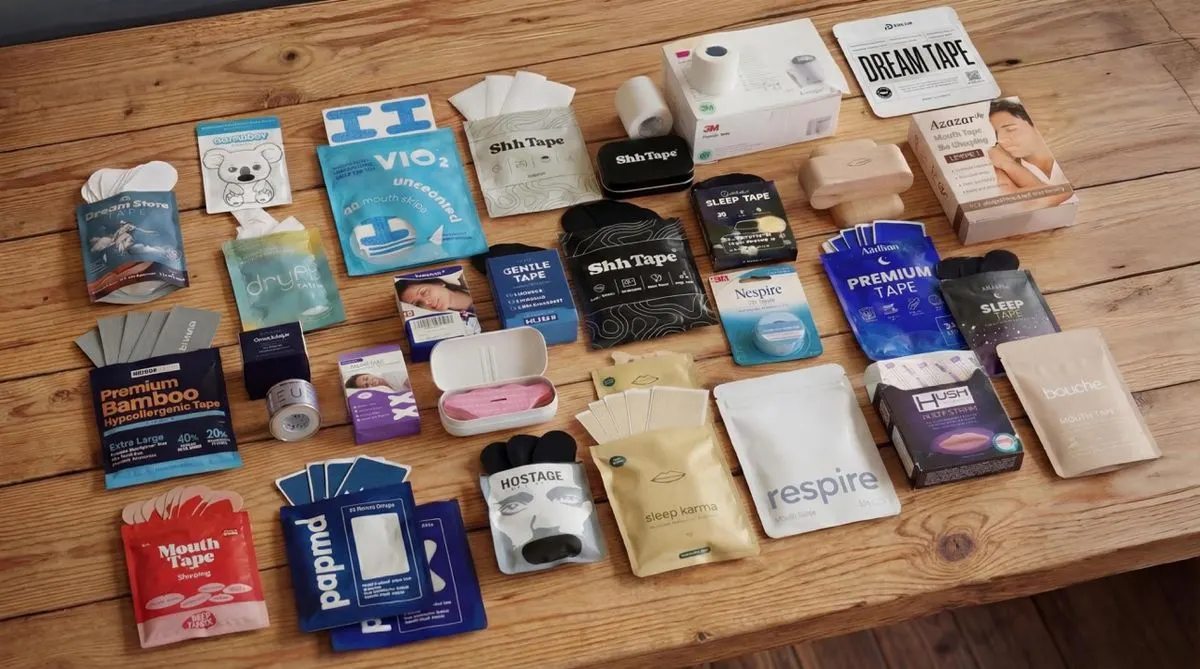
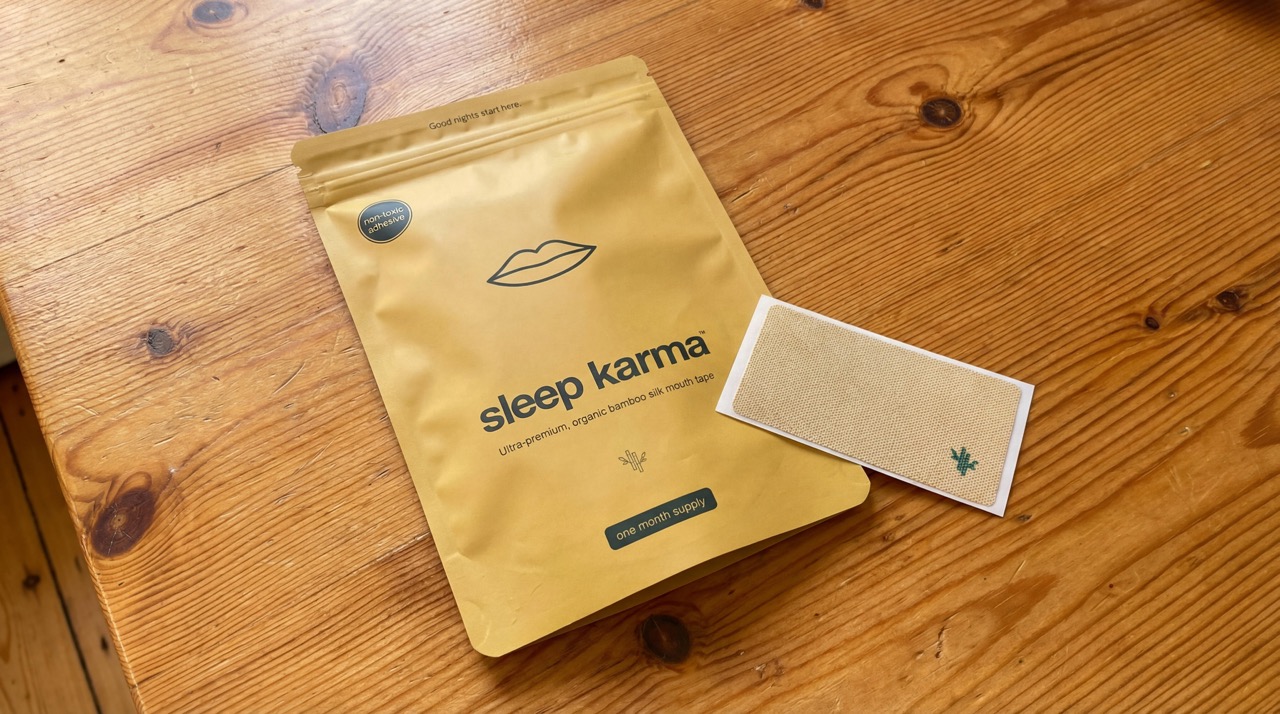
- Start with a mouth tape designed for sleep (not regular tape) — look for medical-grade adhesive and breathable materials
- Ensure your nasal airways are clear before taping
- Try it during the day first (while reading or watching TV) to get comfortable
- Use a gentle, lip-seal design for your first few nights
- Give it at least one week before judging results
- If you have sleep apnea, snoring concerns, or nasal obstruction, consult your healthcare provider first
Frequently Asked Questions
Yes, for its primary purpose — promoting nasal breathing during sleep. The downstream benefits (reduced snoring, less dry mouth, improved sleep quality) are well-supported by nasal breathing research. However, results vary based on individual anatomy and whether underlying nasal obstruction exists. Most users notice improvements within the first week.
Most people notice reduced dry mouth and less morning breath within 1-3 nights. Snoring reduction is often noticed by a bed partner within the first week. Deeper subjective improvements in sleep quality typically emerge after 1-2 weeks of consistent use. If you haven't noticed any benefits after 2 weeks, ensure your nasal breathing is unobstructed.
Both aim to keep the mouth closed during sleep, but they work differently. Mouth tape provides a lighter, more direct seal and is less noticeable during sleep. Chin straps apply upward jaw pressure and can shift during the night. Many users find mouth tape more comfortable and effective, though chin straps may be better for CPAP users with severe mouth leaks.
Indirectly, yes. Nasal breathing activates the parasympathetic nervous system, promoting a calmer physiological state. Some users report reduced nighttime anxiety and easier sleep onset with mouth taping. However, mouth taping is not a treatment for anxiety disorders — it's a breathing optimization tool that may complement other approaches.