Two Approaches to the Same Problem
If you breathe through your mouth during sleep, you have two main options for keeping it closed: mouth tape and chin straps. Both aim to promote nasal breathing, but they work through fundamentally different mechanisms — and each has distinct advantages and drawbacks.
We tested both approaches over 30 nights to give you a practical, experience-based comparison alongside the technical differences.
How They Work
Mouth Tape
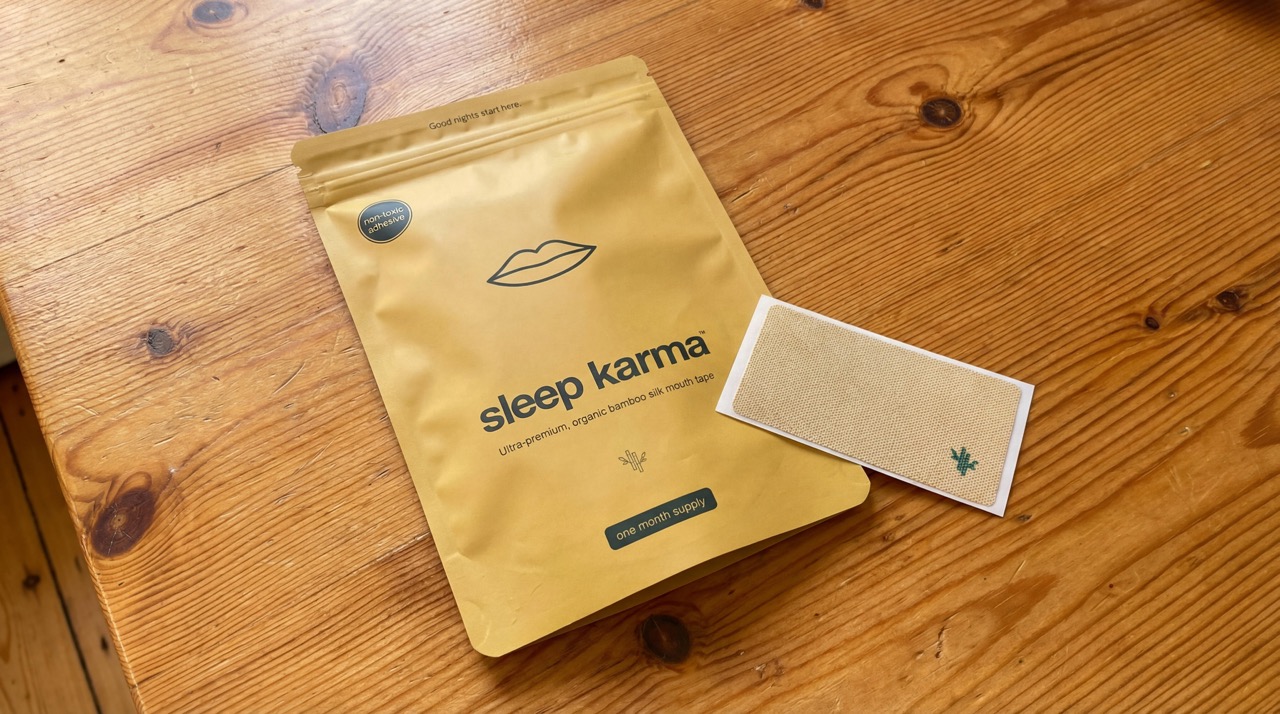
Mouth tape uses a gentle adhesive strip applied across or between the lips to keep them sealed during sleep. Modern sleep tapes use medical-grade adhesive (typically silicone-based) that provides enough hold to prevent mouth opening but can be easily removed by opening the jaw or peeling the tape.
Designs range from full-lip coverage strips to small lip-seal tabs that connect the center of the upper and lower lip. The lighter designs are generally preferred for comfort and ease of breathing if you need to open your mouth quickly.
Chin Straps
Chin straps wrap under the jaw and over the top of the head, using upward mechanical pressure to keep the jaw closed. They're essentially a fabric sling that cradles the chin. Most chin straps use Velcro or hook-and-loop closures for adjustability.
Chin straps were originally developed for CPAP users to prevent mouth leaks during therapy. They've since been marketed more broadly to snorers and mouth breathers.
Comfort
Winner: Mouth tape.
Mouth tape is barely noticeable once applied — a small strip weighing less than a gram. Most users forget it's there within minutes. Chin straps, by contrast, involve a strap around the head that can shift, apply uneven pressure, cause jaw soreness, and interfere with sleep positions (especially side sleeping).
In our testing, mouth tape was consistently rated more comfortable across different sleep positions. The chin strap required multiple nights of adjustment and still felt intrusive for side sleepers.
Effectiveness
Tie — depends on the specific problem.
For keeping the mouth closed during regular sleep, both are effective. Mouth tape has a slight edge for light mouth breathers because it provides a direct, consistent seal. Chin straps can shift or lose tension during the night, especially for active sleepers.
Some CPAP users prefer a chin strap; others find mouth tape more comfortable.
Skin and Hygiene
Winner: Chin straps.
Mouth tape applies adhesive directly to facial skin, which can cause irritation, redness, or breakouts — especially with low-quality adhesives. You need to clean and dry your face before application, and some tapes leave residue. Chin straps don't contact the lip area and don't use adhesive, so skin irritation is less common (though the strap itself can cause pressure marks or rubbing).
Chin straps do need regular washing to prevent bacteria buildup, while mouth tape is single-use and disposed of each morning.
Cost
Winner: Chin straps (long-term).
A quality chin strap costs $15-30 and lasts months. Mouth tape is a recurring expense — typically $0.30-1.00 per strip, adding up to $9-30/month depending on the brand. Over a year, mouth tape costs $100-360 vs. a single chin strap purchase.
That said, many users consider the comfort and effectiveness trade-off worth the cost difference.
Our Recommendation
For most people: Start with mouth tape. It's more comfortable, easier to use, and works well for the majority of mouth breathers. The adjustment period is shorter, it works in all sleep positions, and the experience is less intrusive.
Some CPAP users prefer a chin strap; others find mouth tape more comfortable. A chin strap also avoids adhesive on the skin.
Comparison Summary
- Comfort: Mouth tape wins — lighter, less intrusive, works in all positions
- Effectiveness: Tie — both keep the mouth closed, tape more consistent overnight
- Skin friendliness: Chin strap wins — no adhesive contact with facial skin
- Cost: Chin strap wins long-term — one-time purchase vs. recurring
- CPAP: Some CPAP users prefer a chin strap; others find mouth tape more comfortable.
- Ease of use: Mouth tape wins — peel, stick, done
- Travel: Mouth tape wins — lightweight, no bulk
Frequently Asked Questions
Yes. Some CPAP users find that combining both provides the most reliable mouth seal. The chin strap provides structural support while the tape ensures a complete lip seal. This combination is particularly useful for people who experience persistent mouth leaks with either solution alone.
For snoring caused by mouth breathing, both are effective. Mouth tape tends to be slightly more effective because it provides a consistent seal all night, while chin straps can shift. However, if your snoring is caused by nasal obstruction or obstructive sleep apnea, neither mouth tape nor a chin strap will solve the underlying problem.
Chin straps alone are NOT a treatment for obstructive sleep apnea. They may be used as a complement to CPAP therapy to prevent mouth leaks, but only under the guidance of a sleep specialist. Using a chin strap without CPAP when you have sleep apnea could worsen the condition by forcing breathing through an obstructed airway.