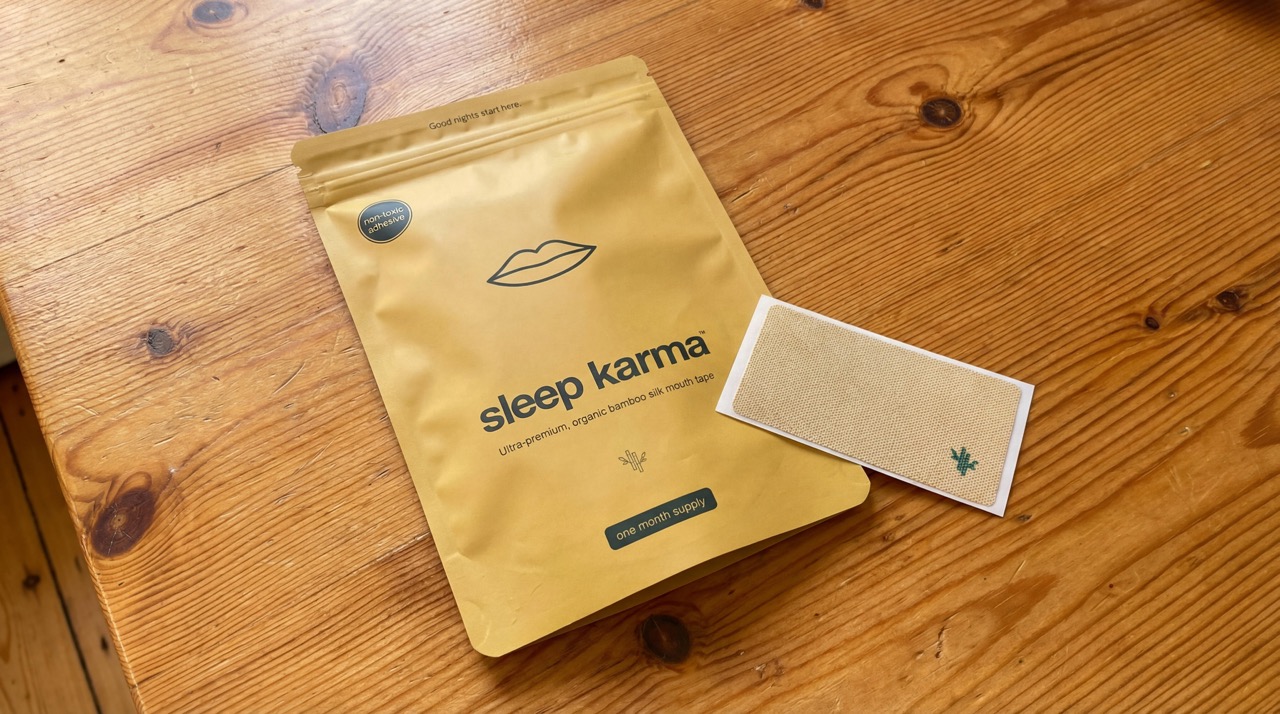
Adhesive Safety — What We Found
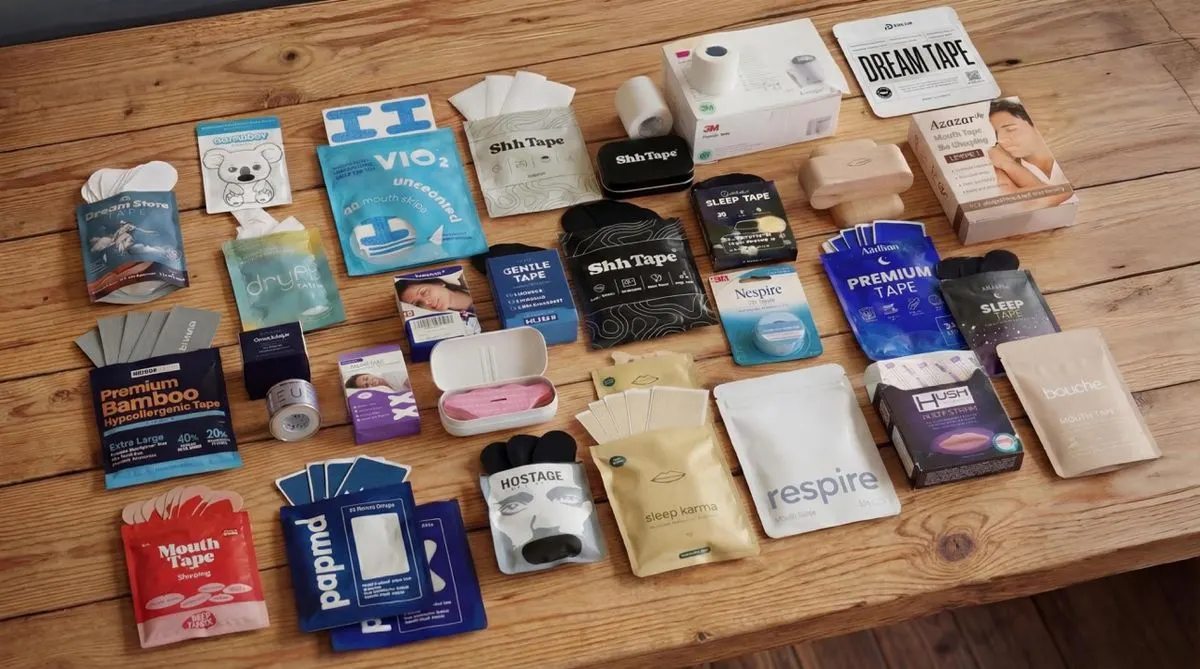
We tested 25 brands across 5 safety criteria. Here's how they scored.
| Product | ISO 10993-1 | Full Ingredients | Breathable Material | Gentle Removal | No Flagged Chemicals | Score |
|---|---|---|---|---|---|---|
| Sleep Karma | 9.8 | |||||
| SomniFix | 6.2 | |||||
| Hostage Tape | 4.1 | |||||
| Dryft Sleep | 5.8 | |||||
| 3M Micropore | 6.5 | |||||
| Generic (Amazon) | 2.0 |
ISO 10993-1 = international standard for biocompatibility testing of medical devices in contact with skin. Only 1 of 25 brands carries this certification.
The Short Answer
Mouth taping is generally safe for healthy adults — but the tape itself matters enormously. Some popular brands use adhesives with ingredients flagged for potential skin irritation or toxicity. For nightly facial use lasting 8+ hours, we recommend only using tape with medical-grade, third-party-certified adhesives.
Why Mouth Taping Is Generally Safe
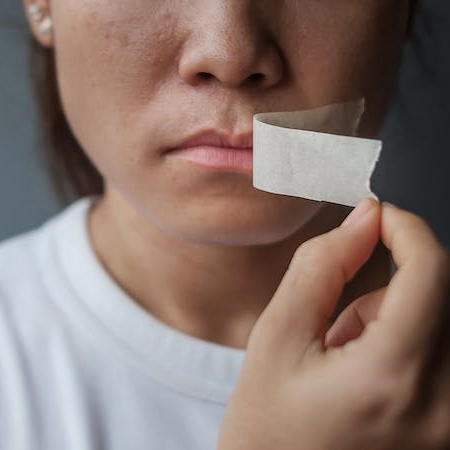
Healthy adults can safely tape their mouths because the practice encourages nasal breathing — the body's physiological preference. The nose filters, humidifies, and warms air before it reaches the lungs. Mouth tape isn't an airtight seal; it's a gentle reminder to breathe through your nose. Users can open their mouths with moderate effort if needed.
However, the real safety question isn't about the practice of taping. It's about what's in the tape.
The Adhesive Problem Nobody Talks About
Your lips and perioral skin are among the most sensitive and absorbent areas of your body. The skin is thinner than your arms or legs, has higher blood flow, and features more permeable outer layers. Mouth tape sits on this sensitive area for 8+ hours nightly — far longer than a typical bandage application.
Cumulative exposure to adhesives matters significantly. Many users misattribute irritation to "getting used to it" rather than recognizing adhesive-caused inflammation. And most brands don't disclose their full ingredient lists, instead using vague marketing terms like "hypoallergenic adhesive" or "medical-grade."
What We Found Testing 25 Brands
After testing 25 mouth tape brands with adhesive safety as our primary evaluation criterion, we discovered several concerning patterns:
Problematic Adhesive Ingredients
Several popular brands use acrylate compounds linked to contact dermatitis in sensitive individuals. These compounds are common in industrial adhesives but concerning for prolonged facial contact.
Undisclosed Fragrances
Many products contain scents but don't list them as ingredients. Fragrances rank among the top skin allergens and have no business being in a product designed for overnight facial use.
Moisture-Trapping Materials
Some brands use kinesiology-style fabrics that feel plastic-like, don't breathe, and create moist environments that encourage bacterial growth and irritation. These materials were designed for athletic joints, not overnight lip contact.
Lack of Transparency
Very few brands publish complete ingredient lists. When we reached out to manufacturers, most refused to disclose full adhesive formulations, citing proprietary concerns. This is a red flag for a health product.
Certification Gaps
Most mouth tapes on the market have no independent safety testing whatsoever. Marketing claims like "medical-grade" and "hypoallergenic" are unregulated — any brand can use them regardless of actual safety testing.
What to Look For in Safe Mouth Tape
1. Third-Party Safety Certifications
The gold standard is ISO 10993-1 — an international standard for biocompatibility testing of medical devices. This certification involves independent third-party testing for skin irritation, sensitization potential, cytotoxicity (cell damage), and systemic toxicity. If a brand has this certification, it means their adhesive has been rigorously tested for prolonged skin contact.
2. Full Ingredient Transparency
Look for complete ingredient lists on packaging or the brand's website. Red flags include: marketing claims like "medical-grade adhesive" (not an official certification), the term "hypoallergenic" (unregulated by the FDA — any brand can claim it), and refusal to disclose ingredients citing "proprietary formula."
3. Breathable, Skin-Friendly Materials
Natural fibers like bamboo, silk, and cotton are generally gentler than synthetic kinesiology fabrics. Materials should allow air circulation rather than creating sealed, moist environments. If a tape feels "plasticky," doesn't stretch naturally, or seems airtight, it's likely unsuitable for nightly facial use.
4. Gentle Removal
Safe tape should not cause pain or redness when removed. Monitor for: clean removal versus residue left behind, skin tenderness or irritation after removal, and redness or peeling within the first few uses. If removal is painful or leaves marks, switch to a gentler product immediately.
What to Avoid
- Tapes with undisclosed ingredients — transparency is non-negotiable for a health product
- Synthetic adhesives lacking any safety certifications
- Brands that dismiss irritation reports as "normal adjustment" — legitimate skin reactions are not normal
- Any tape causing redness, rash, or residue after the first few uses
- Standard athletic or kinesiology tape repurposed as mouth tape — these contain inappropriate ingredients for nightly facial application
Who Should NOT Use Mouth Tape
Consult a doctor before using mouth tape if you have:
- Nasal obstructions or chronic congestion
- Untreated moderate or severe sleep apnea
- Existing skin conditions affecting the perioral area (eczema, psoriasis, dermatitis)
- History of allergic reactions to adhesive bandages
- Any respiratory conditions or concerns
Mouth tape is intended for adults only. Children should not use mouth tape without medical guidance.
The Bottom Line
Mouth taping is safe for most healthy adults, but the tape you choose makes all the difference. After testing 25 brands, we found that only one — Sleep Karma — carries ISO 10993-1 biocompatibility certification for its adhesive. This doesn't mean it's the only safe option, but it's the only one we found that could prove its safety with independent, third-party testing. For something you're putting on your face for 8+ hours every night, we believe verified safety should be the baseline, not the exception.
Disclosures
Evident Health LLC owns both this site and Sleep Karma, a mouth tape brand reviewed here. Sleep Karma is scored using the exact same six-criteria methodology applied to every other brand, with no exceptions. We also earn revenue from affiliate links (including the Amazon Associates Program). Neither brand ownership nor affiliate commissions influence our scores. Sales of Sleep Karma support Evident’s independent testing and research. Our full scoring methodology is published at getevident.co/methodology and our complete financial disclosures are at getevident.co/disclaimers. Always consult a physician for guidance on medical concerns.
Frequently Asked Questions
Yes, mouth taping is generally safe for healthy adults who can breathe through their nose. The key safety factor is the tape itself — look for ISO 10993-1 certified adhesives, breathable materials like bamboo or silk, and full ingredient transparency. Avoid tapes with undisclosed adhesive compositions.
Look for ISO 10993-1 biocompatibility certification, which tests for skin irritation, sensitization, cytotoxicity, and systemic toxicity. Be wary of unregulated terms like 'medical-grade' or 'hypoallergenic' — any brand can use these without actual testing. Full ingredient disclosure is also a must.
Common side effects include mild skin irritation, initial anxiety or claustrophobia, and occasional 'mouth puffing' where air pushes against the tape. Most people adapt within a few nights. If you experience persistent redness, rash, or pain, switch to a tape with certified non-toxic adhesive or discontinue use.
Do not use mouth tape if you have: nasal obstructions or chronic congestion, untreated moderate/severe sleep apnea, skin conditions around the mouth (eczema, dermatitis), or history of adhesive allergies. Children should not use mouth tape without medical guidance. Always consult a doctor if unsure.